ALLPCB


Overview
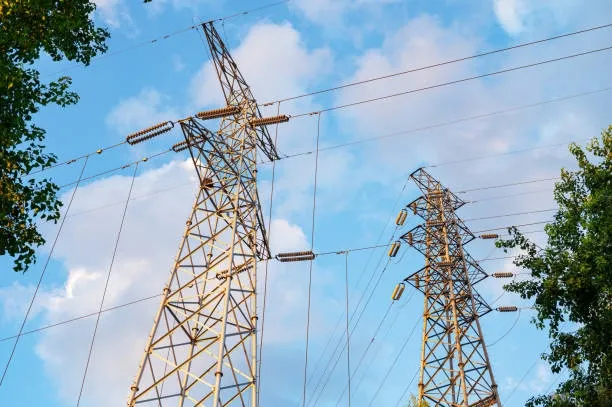
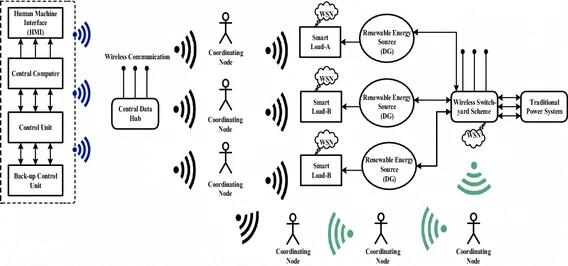
A smart grid is a modern power network that uses information and communication technologies to optimize power system operation. It comprises sensors, controllers, computers, and communication devices, enhancing monitoring, control, and management across transmission, substations, and distribution. This enables the power system to operate more efficiently, safely, and reliably.
Key characteristics
- Multi-energy integration: Smart grids can integrate traditional power generation with wind, solar, geothermal, and other energy sources to enable comprehensive energy use.
- Informatization: Smart grids use information and communication technologies to collect, transmit, analyze, and make decisions based on data, improving monitoring and control capabilities.
- Self-balancing: Smart grids can achieve internal power balance to maintain system stability.
- Sustainability: Smart grids include energy storage and scheduling functions to meet loads of advanced equipment and improve system sustainability.
- Flexibility: Smart grids enable fine-grained management of different users and loads, supporting dynamic balance between production and consumption and improving power delivery efficiency and energy savings.
Applications
Smart grids combine modern information, communication, and control technologies to balance power supply and demand, optimize operation, and increase grid adaptability and reliability. Typical application areas include:
- Renewable energy integration: Smart grids facilitate large-scale integration of renewable energy, improving clean energy utilization and supporting emission reduction goals.
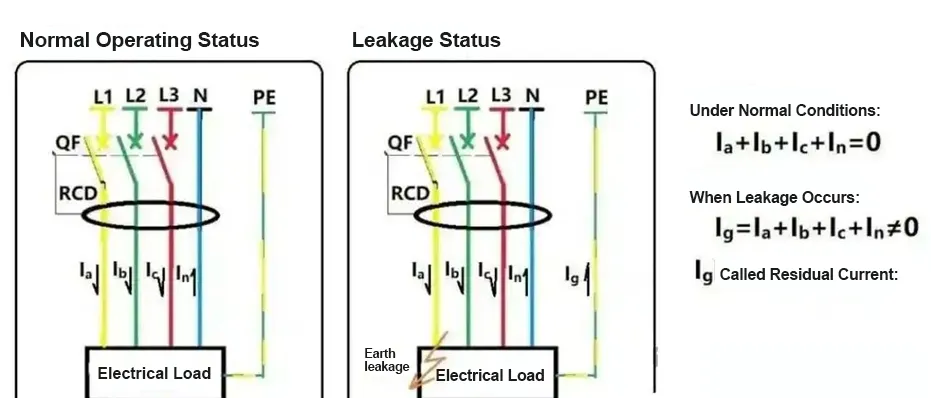
- Security and reliability: Smart grids can quickly diagnose and correct faults and overloads, improving fault prevention and response capabilities and enhancing system robustness.
- Load management: By monitoring consumption in real time and using price signals and control measures, smart grids enable flexible load management to improve system efficiency and sustainability.
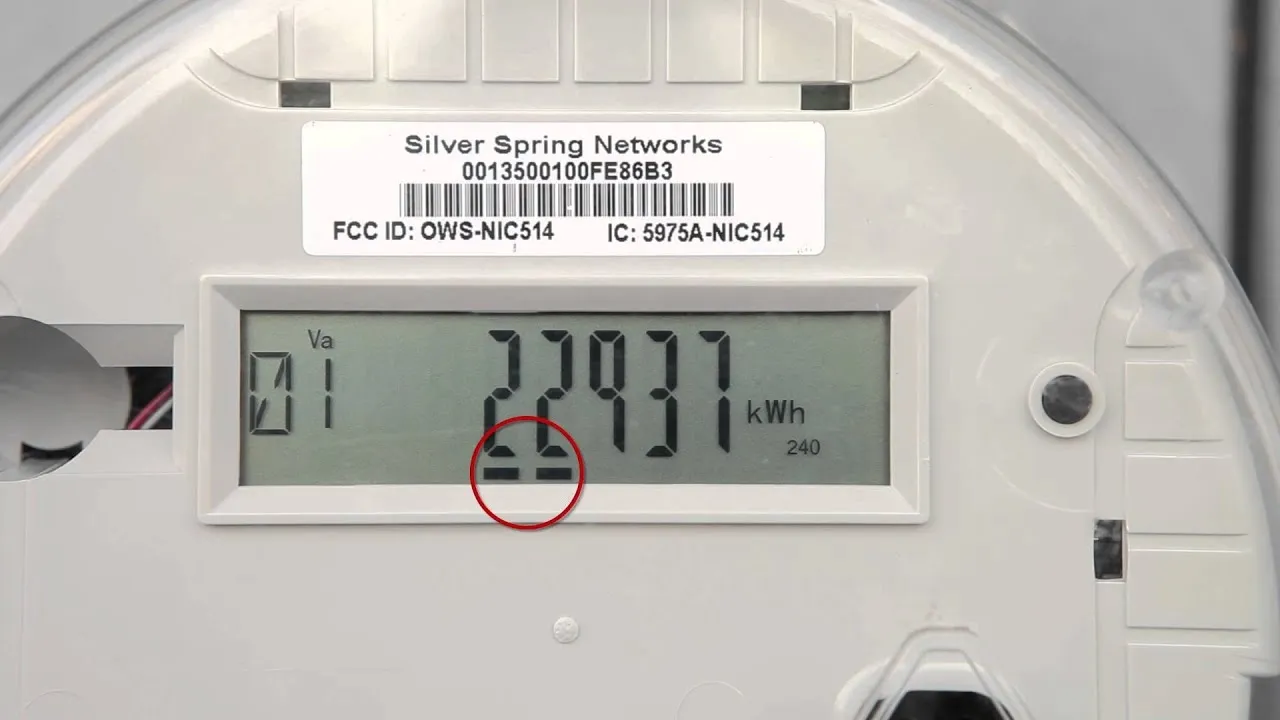
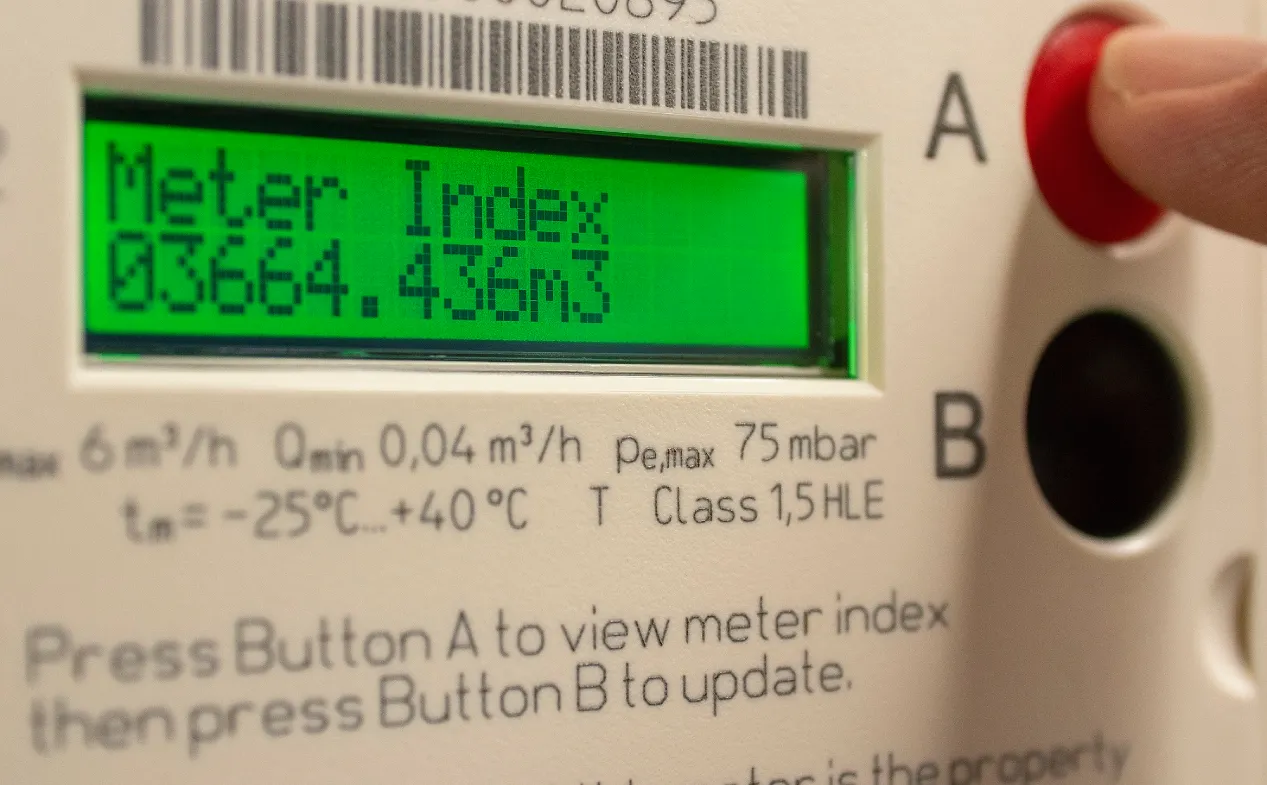
- Smart metering: Smart meters monitor energy usage and load requirements in real time and upload data to distribution centers to help balance loads and optimize distribution.
- Wide-area power networks: Smart grids support wide-area power communication and control, using distributed energy storage and conversion to provide energy balance and optimization, which enhances network robustness and resilience.
Functions
- Improve energy use efficiency: Smart grids optimize generation, transmission, storage, and information exchange to enable efficient energy use and reduce consumption and carbon emissions.
- Promote clean energy: Smart grids more effectively integrate solar, wind, and other renewables, advancing the adoption of clean energy and reducing reliance on fossil fuels.
- Reduce energy costs: By managing demand and improving load matching, smart grids can lower energy consumption costs and enhance economic performance.
- Increase supply reliability: By combining distributed generation and storage technologies, smart grids make supply more flexible and reliable. For example, microgrid-based systems can maintain essential supply during natural disasters or emergencies.
- Support energy conservation and environmental protection: Smart grids monitor and analyze energy use to identify and address waste and emissions issues, improving energy management and environmental protection.
Advantages
- High reliability: Smart grids have self-healing capabilities to restore power quickly after faults or weather-related outages, providing more reliable service.
- High energy efficiency: With distributed and renewable energy integration and flexible dispatch, smart grids enable efficient energy use.
- Enhanced safety: Real-time monitoring, dynamic control, and fault diagnosis provide early warnings and help eliminate potential safety risks.
- Environmentally friendly: Smart grids effectively manage distributed and renewable resources, reducing fossil fuel use and carbon emissions.
- Customized service: Smart grids can offer tailored energy services based on user needs and demand response characteristics.
- Strong adaptability: Smart grids can flexibly respond to changing market and industry conditions to meet future energy development trends.
In summary, smart grids apply information, automation, and communication technologies to meet diverse power system needs, improving reliability, efficiency, and safety while reducing environmental impact and supporting a transition to a sustainable energy system.