ALLPCB


Introduction
Artificial intelligence (AI) is driving significant change across industries by enabling solutions that improve efficiency, accuracy, and decision making. In this context, edge AI—the practice of running AI algorithms on devices at the network edge—enables real-time data processing, reduced latency, improved data privacy, and autonomous decision making. These advantages are particularly relevant for medical imaging, robotics, and industrial automation.
iWave, a provider in embedded systems engineering, offers embedded platforms designed to support edge AI. These platforms target applications that require high-performance computing and advanced AI/ML capabilities, such as media processing, robotics, and vision computing.
iW-RainboW-G58M Overview: Next-generation AI FPGA
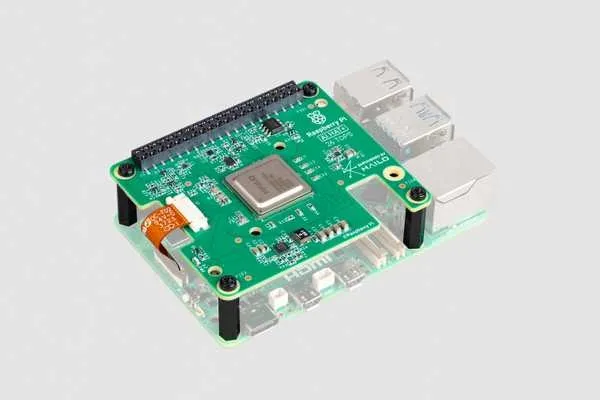
iWave has introduced the iW-RainboW-G58M system-on-module (SoM) based on the Intel Agilex 5 FPGA. The module integrates AI-focused capabilities within the FPGA fabric and is designed for applications that demand high performance, low latency processing, and custom logic implementations to support embedded AI/ML, making it suitable for medical imaging, robotics, and industrial automation.
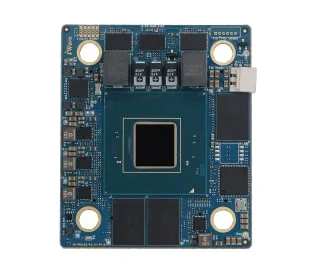
Figure 1: iWave iW-RainboW-G58M SoM based on Intel Agilex 5 FPGA, integrating AI capabilities. (Image source: iWave)
The iW-RainboW-G58M SoM measures 60 mm x 70 mm and supports Intel Agilex 5 FPGA and SoC E-series devices in a B32A package. Two device families are offered to cover a range of application requirements:
- Group A: A5E 065A/052A/043A/028A/013A SoC FPGA — higher-performance variants for complex processing tasks.
- Group B: A5E 065B/052B/043B/028B/013B/008B SoC FPGA — cost-effective options for less demanding workloads, offering design flexibility.
These options allow developers to select the FPGA model that balances performance, power consumption, and cost for a specific application.
Agilex 5 FPGA Capabilities for Edge AI
Intel Agilex 5 FPGA and SoC represent a significant step forward for FPGA technology in edge AI and machine learning applications. Agilex 5 introduces AI tensor blocks in mid-range FPGAs, which are designed to accelerate AI workloads and make these devices well suited for latency-sensitive, real-time edge AI applications.
A notable feature of Agilex 5 SoCs is the heterogeneous processor subsystem that includes dual Arm Cortex-A76 cores and dual Cortex-A55 cores. This configuration delivers strong processing performance while optimizing energy efficiency, a critical consideration in edge computing where minimizing power consumption without sacrificing performance is essential.
Agilex 5 devices also provide enhanced digital signal processing (DSP) capabilities alongside integrated AI tensor blocks, enabling efficient execution of deep learning inference, image processing, and predictive analytics. Advanced connectivity features—including high-speed GTS transceivers supporting up to 28.1 Gbps, PCI Express 4.0 x8, DisplayPort, and HDMI output—make the platform versatile for a wide range of applications.
Comprehensive AI/ML Software Ecosystem
The iW-RainboW-G58M SoM is complemented by a software ecosystem that accelerates AI and ML development. The ecosystem supports common AI frameworks such as TensorFlow and PyTorch, allowing developers to use familiar tools to build complex models without a steep learning curve.
The OpenVINO toolkit is a key component of this ecosystem. OpenVINO optimizes deep learning models for inference across different hardware architectures, including CPUs, GPUs, and FPGAs, improving portability and deployment flexibility.
The Intel FPGA AI Suite simplifies the development workflow for FPGA-targeted AI applications. It integrates with industry-standard tools and frameworks, enabling FPGA designers, machine learning engineers, and software developers to create AI platforms optimized for FPGA architectures. Integration with Intel Quartus Prime FPGA design software provides a mature workflow for design, analysis, and optimization.
Cloud AI vs Edge AI
Cloud AI relies on centralized compute resources and offers high scalability for processing large datasets, but it can introduce latency and potential security concerns due to data transmission over networks.
Edge AI provides advantages in real-time processing, low latency, and enhanced data privacy by keeping data processing local to the device. Edge processing reduces the need for continuous communication with the cloud, improving response times for applications where decision latency is critical, such as autonomous vehicles, industrial control systems, and healthcare devices.
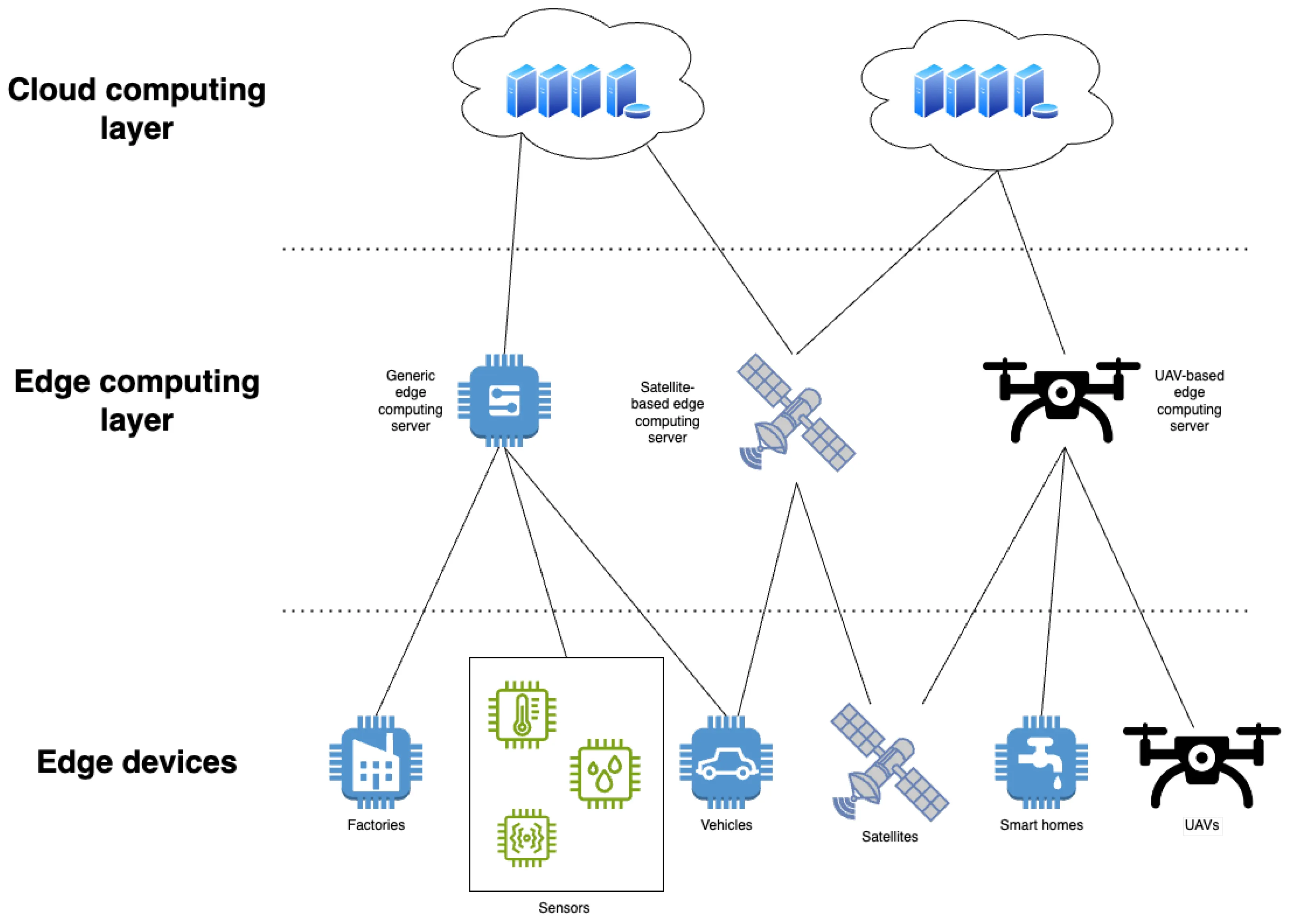
A hybrid approach that performs initial processing on edge devices and offloads more complex analysis to the cloud is becoming common. This method combines the strengths of edge and cloud AI to efficiently use resources, improve security, and enhance overall system performance.
Long-term Availability and Support
Product longevity is an important consideration for embedded systems. iWave offers product life plans intended to support long-term availability of its SoMs, often extending beyond 10 years. Long component availability is important in industries with long product lifecycles, such as medical devices, aerospace, and industrial automation.
iWave also provides technical support across the product development lifecycle, including ODM services such as carrier board design, thermal simulation, and system-level design. These services enable customers to focus on their core applications while iWave handles hardware design and integration challenges.
Evaluation kits for the SoM include user documentation, software drivers, and board support packages to facilitate rapid evaluation and prototyping, helping to reduce development time.
Conclusion
The iW-RainboW-G58M SoM, featuring an Intel Agilex 5 FPGA with integrated AI capabilities, is designed for high-performance, low-latency processing and custom logic implementations that support embedded AI/ML. The module and its supporting software ecosystem target applications in medical imaging, robotics, and industrial automation where real-time processing and reliable deployment are required.