ALLPCB


Sustainable development has become a strategic priority for many businesses. A 2018 study found that 60% of companies reported greater attention to sustainability than two years earlier, and 70% had strengthened sustainability governance compared with 56% in 2014. Nearly one fifth of companies now have a board-level committee dedicated to sustainability. Many organizations are integrating sustainability into their core business strategies.
Business drivers
Consumer attitudes toward sustainability and ethical consumption have shifted. Nielsen data indicate that roughly three quarters of millennials are willing to pay 10% to 25% more for sustainable products and services. Financial incentives also exist: Barron's published a list of 100 U.S. companies with strong sustainability performance and observed that companies focused on sustainability saw a 29% increase in stock value in 2017. Sustainability is becoming an expected component of modern business strategy.
IoT tools are positioned to play a significant role. In 2018, the World Economic Forum published a guide on IoT for sustainable development and found that 84% of IoT technology applications are addressing or could address the United Nations Sustainable Development Goals. By introducing enhanced connectivity into work and personal environments, IoT can help save resources and reduce unnecessary costs.
Key digital use cases driving sustainability
1. Smart grids
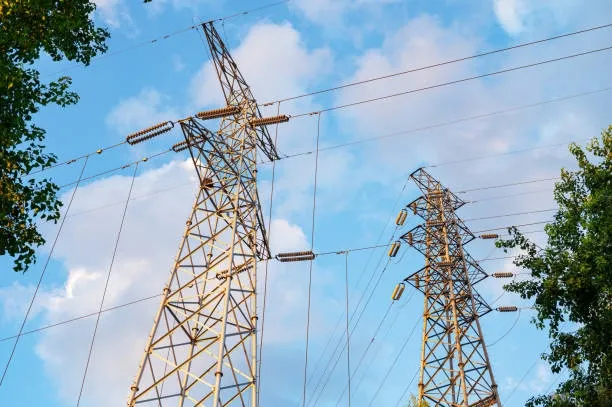
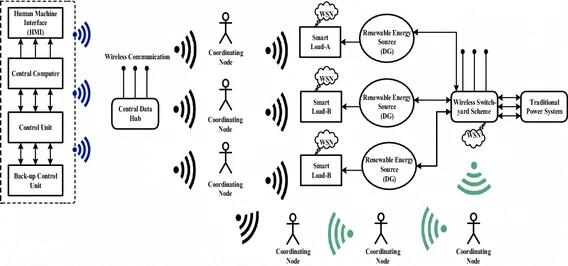
Knowing when and where energy is needed helps utilities improve efficiency. Smart grids, using IoT devices and sensors, enable utilities to track supply and demand, collect usage data, analyze it, and apply insights to the energy network. This allows energy delivery to be optimized during peak demand and conserved when demand is low.
2. Digital twins
Digital twins, which are digital replicas of physical assets, enable testing and optimization before construction or deployment, supporting sustainable agriculture and other sectors. By combining AI and IoT capabilities, digital twins can capture a wide range of agricultural data—from soil quality and equipment performance to operator skill and market prices. This allows more accurate crop-yield forecasting, improving financial viability, long-term efficiency, and sustainability.
3. Blockchain
Distributed ledger technology, known from cryptocurrencies, can also improve supply chain sustainability. Blockchain increases visibility by recording all parties involved in a transaction, ensuring data integrity and enhancing traceability. Improved traceability helps ensure food safety and supports more sustainable business models. Additionally, blockchain can reduce environmental impact and support human rights and fair labor practices by helping consumers verify that the products they buy meet ethical standards. Early detection of unethical suppliers and counterfeit products is another potential benefit.
4. Predictive maintenance
IoT solutions combined with data analytics enable predictive, rather than reactive, maintenance. Real-time monitoring of equipment health, together with AI and smart sensors, allows organizations to predict failures based on live data and historical trends instead of relying on fixed schedules tied to expected component lifetimes. This reduces unnecessary technician dispatches and on-site interventions, lowering operational costs and environmental impact.
5. Smart meters
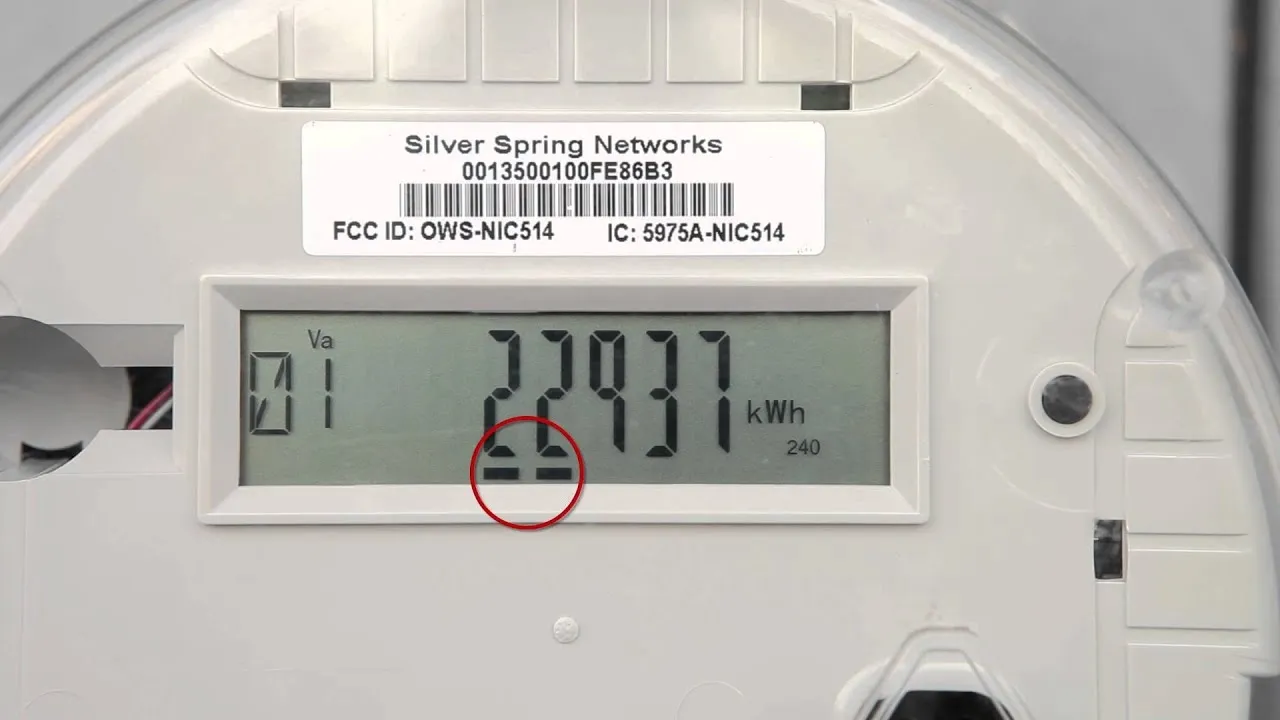
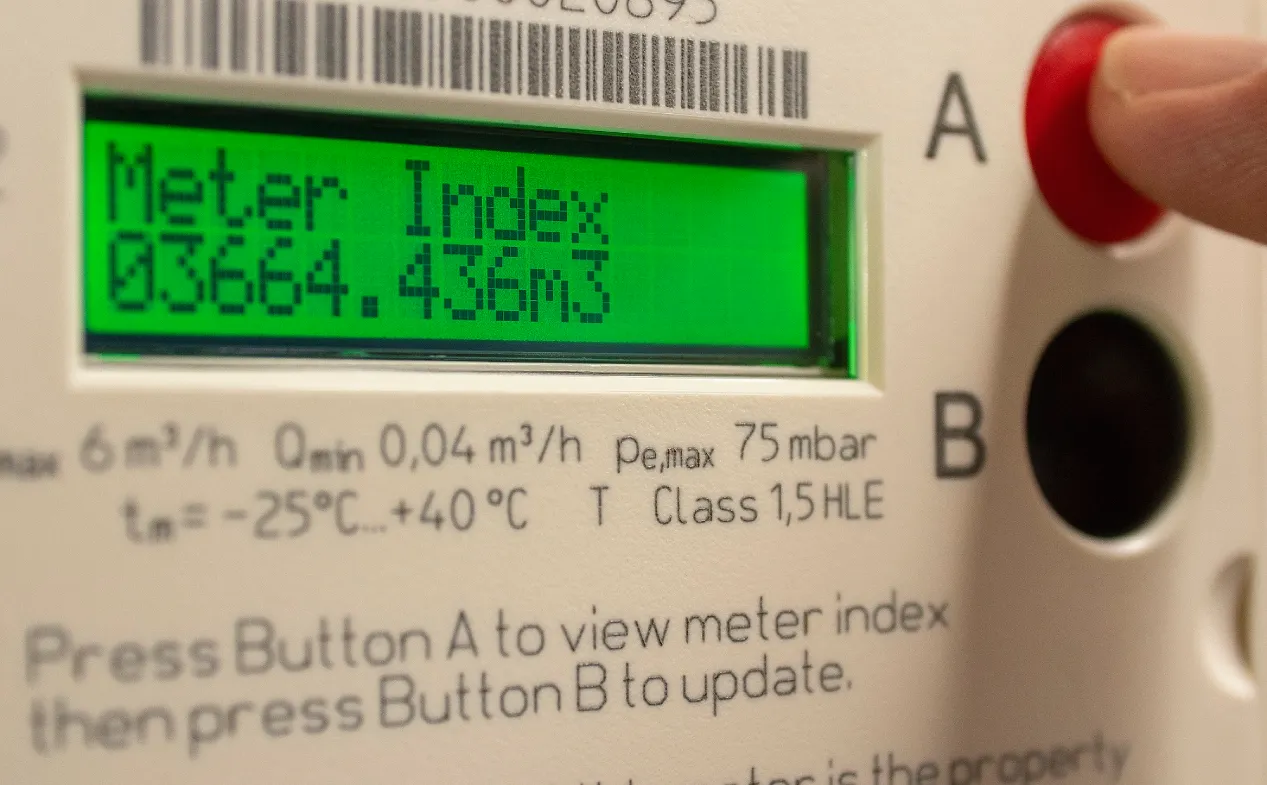
Smart meters were among the earliest IoT technologies driving sustainability. They collect real-time data on electricity, water, and gas consumption, enabling more informed decisions about energy use. The goal is to encourage behavior changes that save money and reduce carbon footprints. Utilities can remotely monitor meters, improving response to potential issues and increasing maintenance efficiency. One direct sustainability benefit is reduced fuel consumption, since manual meter-reading visits become unnecessary.
Conclusion
The more digital technologies and IoT tell us about how products, systems, and services operate, the better we can refine them to meet specific needs at specific times. By saving resources, reducing fuel use, monitoring demand levels, and surfacing environmental risks, organizations can increase efficiency, lower unnecessary costs, and advance sustainability.