 ALLPCB


In the fast-paced world of electronics manufacturing, Printed Circuit Board (PCB) logistics can feel like solving a complex puzzle. From supply chain disruptions to transportation delays, the challenges are many, but the solutions are within reach. How can manufacturers navigate PCB supply chain disruptions, transportation delays in PCB logistics, geopolitical impacts on PCB supply, and component shortages in the PCB industry? The answer lies in strategic planning, diversified sourcing, and leveraging technology to streamline processes.
In this comprehensive guide, we’ll break down the key challenges in PCB logistics and provide actionable solutions to help you keep production on track. Whether you’re dealing with raw material shortages or navigating global trade tensions, this blog will equip you with the tools to overcome obstacles and ensure a smoother supply chain.
Understanding the PCB Logistics Landscape
PCBs are the backbone of modern electronics, found in everything from smartphones to industrial machinery. However, getting these critical components from design to assembly involves a intricate web of suppliers, manufacturers, and transportation networks. A single disruption can halt production, increase costs, and delay product launches.
The logistics of PCBs are influenced by multiple factors, including raw material availability, geopolitical events, and global shipping constraints. With the rise of complex electronics and the demand for faster production cycles, understanding these challenges is the first step to solving the puzzle of PCB logistics.
Key Challenges in PCB Logistics
1. PCB Supply Chain Disruptions
PCB supply chain disruptions have become a major concern in recent years, often triggered by unexpected events like natural disasters, pandemics, or factory shutdowns. For instance, disruptions in the supply of copper foil or epoxy resins—key materials for PCB production—can create bottlenecks that ripple through the entire industry.
According to industry data, supply chain interruptions can increase lead times by up to 30%, forcing manufacturers to scramble for alternative sources or face costly delays. These disruptions often lead to higher costs as companies compete for limited resources, driving up prices for raw materials.
2. Transportation Delays in PCB Logistics
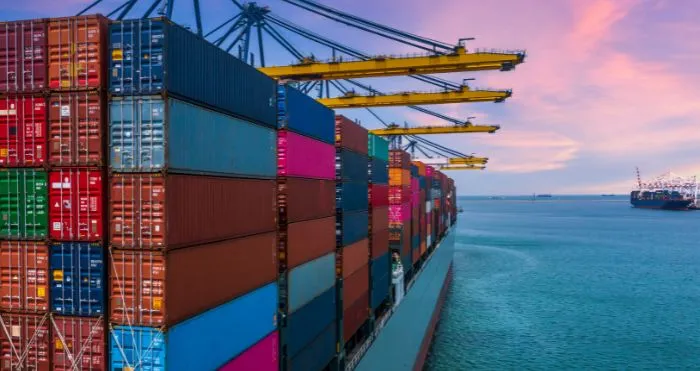
Transportation delays in PCB logistics are another significant hurdle. Shipping bottlenecks, port congestion, and rising fuel costs can slow down the movement of PCBs and components across borders. For example, during peak global shipping crises, container shipping costs have surged by as much as 300%, impacting the timely delivery of critical electronics components.
Delays are particularly problematic for time-sensitive projects, where even a one-week holdup can derail product launch schedules. Additionally, customs clearance issues and inconsistent shipping regulations across countries add further complexity to the transportation process.
3. Geopolitical Impact on PCB Supply
The geopolitical impact on PCB supply cannot be ignored. Trade tensions, tariffs, and export restrictions between major economies often disrupt the flow of materials and finished boards. For instance, restrictions on semiconductor exports or rare earth materials can limit the availability of essential components for PCB assembly.
Geopolitical instability in key manufacturing regions can also lead to factory closures or reduced production capacity. This creates a domino effect, where manufacturers struggle to source components and meet demand, ultimately increasing costs and delaying timelines.
4. Component Shortages in the PCB Industry
Component shortages in the PCB industry remain a persistent challenge, especially for high-demand items like microcontrollers, capacitors, and resistors. These shortages are often driven by sudden spikes in demand, limited production capacity, or supply chain bottlenecks. Industry reports indicate that lead times for certain electronic components have stretched from 8 weeks to over 40 weeks during peak shortage periods.
Such shortages force manufacturers to either redesign products to accommodate alternative components or pay premium prices on the spot market, both of which can erode profit margins and delay production.
Effective Solutions to Overcome PCB Logistics Challenges
While the challenges in PCB logistics are daunting, there are practical strategies to mitigate risks and keep your production running smoothly. Below, we explore actionable solutions tailored to address PCB supply chain disruptions, transportation delays, geopolitical impacts, and component shortages.
1. Diversify Your Supply Chain to Combat Disruptions
One of the most effective ways to tackle PCB supply chain disruptions is by diversifying your supplier base. Relying on a single supplier or region for raw materials or components leaves your production vulnerable to localized disruptions. Instead, build relationships with multiple suppliers across different geographic areas to create a buffer against unexpected events.
For example, sourcing copper foil from both Asian and European suppliers can reduce the risk of a complete halt in production if one region faces a crisis. Additionally, maintaining a small inventory buffer of critical materials can help bridge gaps during sudden shortages, ensuring continuity in manufacturing.
2. Optimize Transportation with Technology and Planning
To address transportation delays in PCB logistics, leverage technology and strategic planning. Use supply chain management software to track shipments in real-time, anticipate delays, and reroute shipments if necessary. Partnering with logistics providers that offer multi-modal transportation options—such as combining air and sea freight—can also help balance cost and speed.
Planning ahead is equally important. Place orders well in advance to account for potential delays, and work with freight forwarders who have experience navigating customs regulations in key markets. By building extra time into your schedules, you can avoid the stress of last-minute shipping issues.
3. Mitigate Geopolitical Risks with Localized Sourcing
To lessen the geopolitical impact on PCB supply, consider localized sourcing and manufacturing where feasible. Setting up production facilities or partnering with suppliers closer to your target market can reduce dependency on volatile international trade routes. This approach not only minimizes the risk of tariffs and export bans but also shortens lead times and transportation costs.
For instance, if your primary market is in North America, sourcing components or assembling PCBs within the region can help bypass trade barriers imposed on goods from other continents. While this may involve higher upfront costs, the long-term stability often outweighs the initial investment.
4. Address Component Shortages with Flexible Design and Forecasting
Component shortages in the PCB industry require a proactive approach. Start by designing PCBs with flexibility in mind, allowing for alternative components if your primary choices are unavailable. This might involve selecting components with similar specifications or designing boards to accommodate multiple footprint options.
Accurate demand forecasting is another critical tool. Use historical sales data and market trends to predict future needs and secure components in advance. Building strong relationships with distributors can also give you priority access to limited stock during shortage periods. If shortages persist, consider working with brokers to source components, though be prepared for higher costs.
Building a Resilient PCB Logistics Strategy
Solving the PCB logistics puzzle requires a holistic approach that combines risk management, technology, and adaptability. By addressing challenges like PCB supply chain disruptions, transportation delays in PCB logistics, geopolitical impacts on PCB supply, and component shortages in the PCB industry, you can create a supply chain that withstands unexpected hurdles.
Here are some additional tips to build resilience:
- Invest in Technology: Use automation and AI-driven tools to predict supply chain risks and optimize inventory levels.
- Strengthen Partnerships: Collaborate closely with suppliers and logistics providers to ensure transparency and quick problem-solving.
- Monitor Global Trends: Stay informed about geopolitical developments, market demands, and shipping conditions to anticipate potential disruptions.
The Role of Collaboration in PCB Logistics Success
Collaboration is at the heart of a successful PCB logistics operation. By fostering strong communication between designers, manufacturers, suppliers, and logistics providers, you can identify potential issues early and work together to find solutions. Regular updates on inventory levels, shipping schedules, and production timelines help ensure everyone is aligned and prepared for challenges.
For example, sharing demand forecasts with suppliers allows them to plan production accordingly, reducing the likelihood of shortages. Similarly, working with logistics partners to establish contingency plans can minimize the impact of transportation delays.
Future Trends in PCB Logistics
As the electronics industry evolves, so too will the landscape of PCB logistics. Emerging trends like nearshoring—moving production closer to end markets—and the adoption of blockchain for supply chain transparency are set to transform how PCBs are sourced and delivered. Additionally, advancements in 3D printing for rapid prototyping may reduce dependency on traditional supply chains for certain components.
Sustainability is also becoming a priority. Manufacturers are exploring eco-friendly materials and optimizing shipping routes to reduce carbon footprints. Staying ahead of these trends can give your business a competitive edge while addressing modern challenges in PCB logistics.
Conclusion: Piecing Together the PCB Logistics Puzzle
Navigating the complexities of PCB logistics is no small feat, but with the right strategies, you can overcome challenges like PCB supply chain disruptions, transportation delays in PCB logistics, geopolitical impacts on PCB supply, and component shortages in the PCB industry. By diversifying suppliers, leveraging technology, and fostering collaboration, you can build a resilient supply chain that keeps your production on track.
At the core of solving this puzzle is a commitment to adaptability and forward-thinking. As global conditions change, staying proactive and informed will ensure your business remains competitive in the ever-evolving world of electronics manufacturing. With these solutions in hand, you’re well-equipped to tackle the logistics challenges and drive success in your PCB projects.





