ALLPCB


Overview
A smart grid is the digital modernization of the electrical grid, often called "Grid 2.0". Built on integrated, high-speed bidirectional communication networks, it uses advanced sensing and measurement, equipment technologies, control methods, and decision-support systems to achieve reliable, safe, economical, efficient, environmentally friendly, and secure operation. Key features include self-healing, incentive mechanisms, user integration, resilience to attacks, power quality that meets 21st-century needs, accommodation of diverse generation sources, facilitation of electricity markets, and optimized asset operation.
Core Concepts
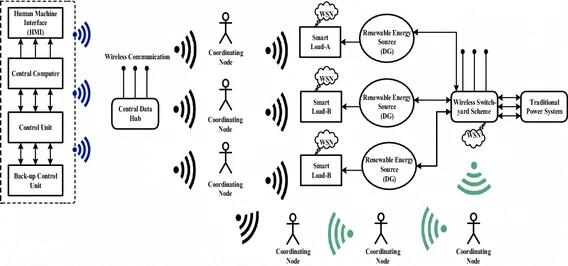
The intelligence of the power system is reflected mainly in two aspects: data-driven operation with human-machine interaction, and multi-layer interconnection with autonomous coordination. Multi-layer interconnection means linking the grid down to terminal devices; in China this has already achieved broad coverage and extends to end devices such as mobile phones and vehicles. Autonomous coordination refers to systems operating in a coordinated manner to ensure safe and stable grid operation and reliable power supply. Another central aspect is data-driven decision making alongside human-machine interfaces.
Where Smart Grids Are Reflected
- Intelligent grid architecture: Smart grids use modern information and communication technologies to transform traditional centralized generation and distribution into more distributed generation and supply architectures, and enable technologies such as energy storage and energy management.
- Multi-level scenario control: By leveraging grid data collection systems across a region or country and applying intelligent computation and data analysis, smart grids implement multi-level scenario management and optimization, support the deployment of clean energy technologies, and improve energy efficiency for industry and consumers.
- Accurate generation planning: Smart grids can dynamically adjust generation schedules based on weather, peak and off-peak periods, and real-time data, reducing risks from supply-demand mismatch, generation waste, and supply interruptions.
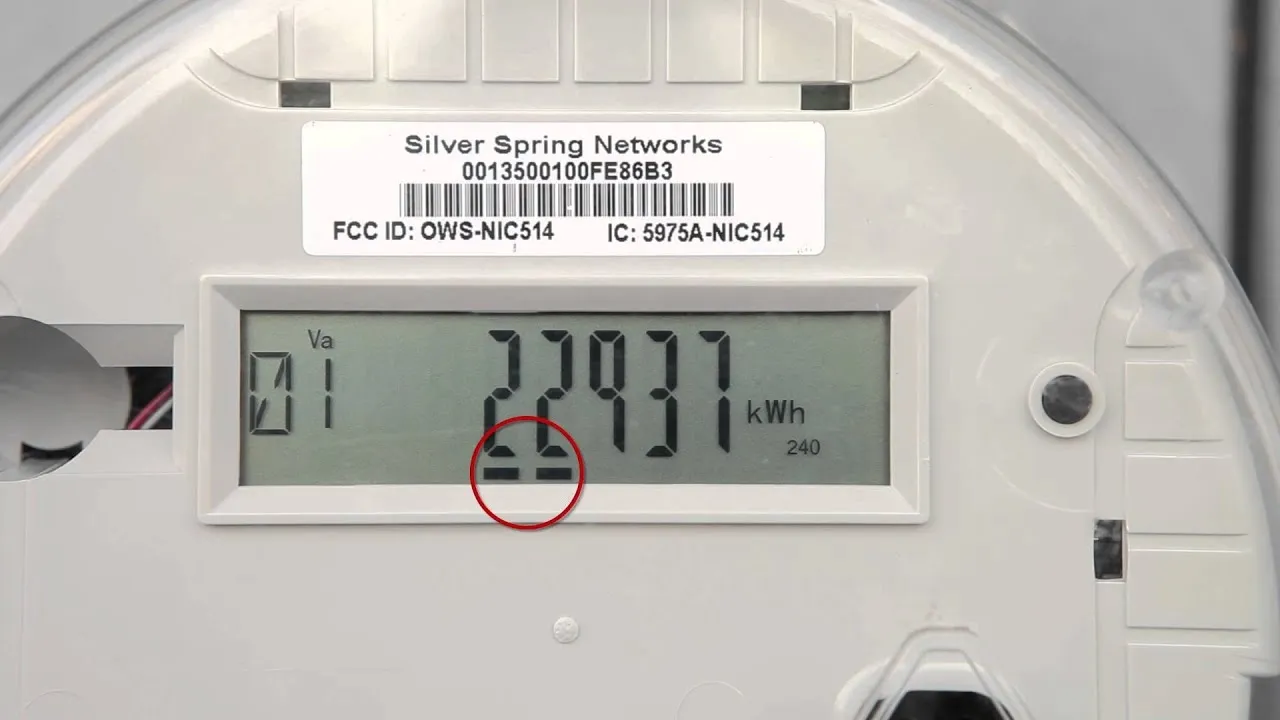
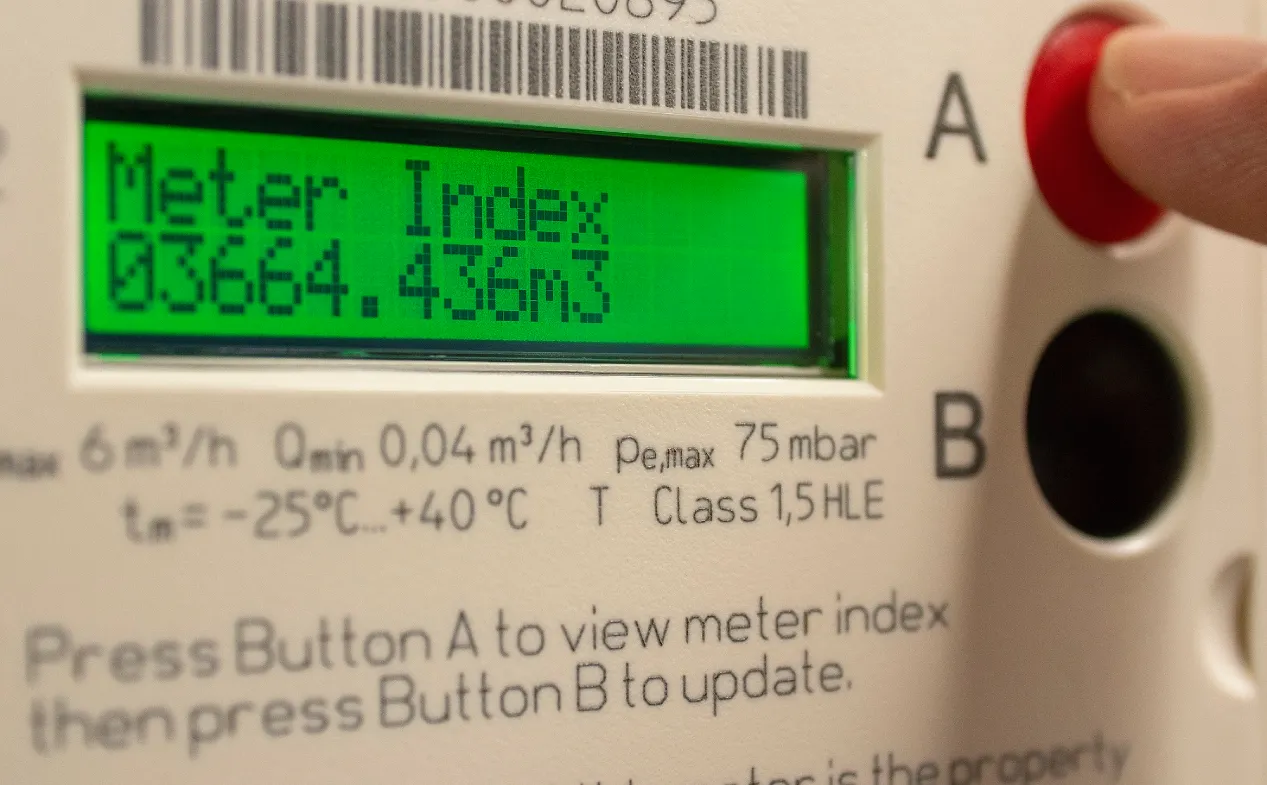
- Efficient energy consumption management: Through standardized individual and aggregated metering, smart grids enable comprehensive monitoring of power consumption across a region. They help organizations and consumers implement energy management practices to improve energy efficiency and meet sustainability targets.
- Advanced system maintenance: Smart grids can autonomously assess grid status, perform automatic fault detection and recovery, and provide forecasting, early warning, prevention, and mitigation for issues such as power shortages and imbalance, thereby ensuring safe operation, lowering costs, and improving service quality.
Summary
Smart grids apply advanced technologies and algorithms to enable intelligent optimization and control of the electrical grid. They also facilitate the integration of renewable energy and energy management practices, and are positioned to support the power sector's digital transformation and sustainable development.