ALLPCB


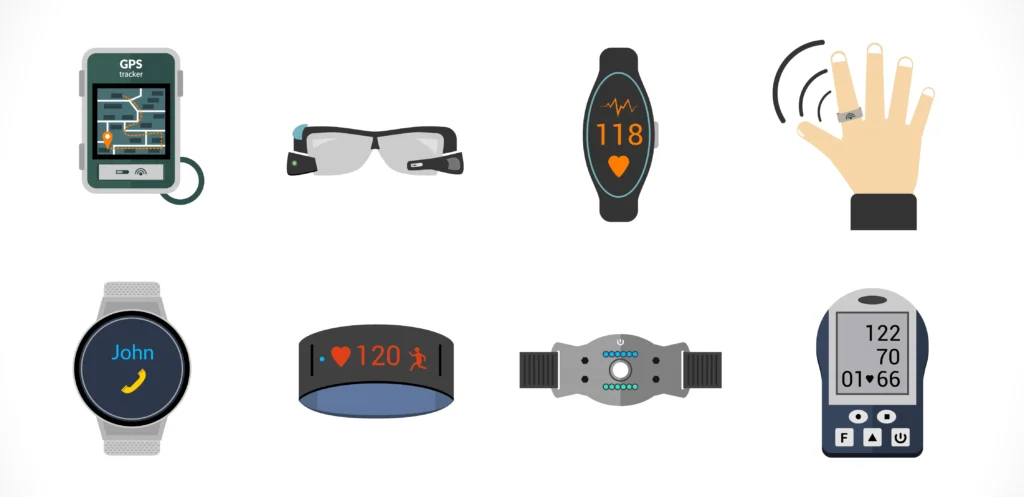
Wearable devices are becoming increasingly common in everyday life. With products such as Apple Watch, Galaxy Gear, Fitbit, and many others, users are gaining a clearer idea of what wearable technology can do. For companies, this creates opportunities to address markets that were largely speculative a decade ago.
Designing wearable products presents unique challenges for engineers because design rules that apply to most electronics do not always apply to wearable devices. PCB companies are aware of the difficulties and barriers involved in creating printed circuit boards for the wearable market. When addressing wearable device requirements, PCB companies consider many factors.
Size
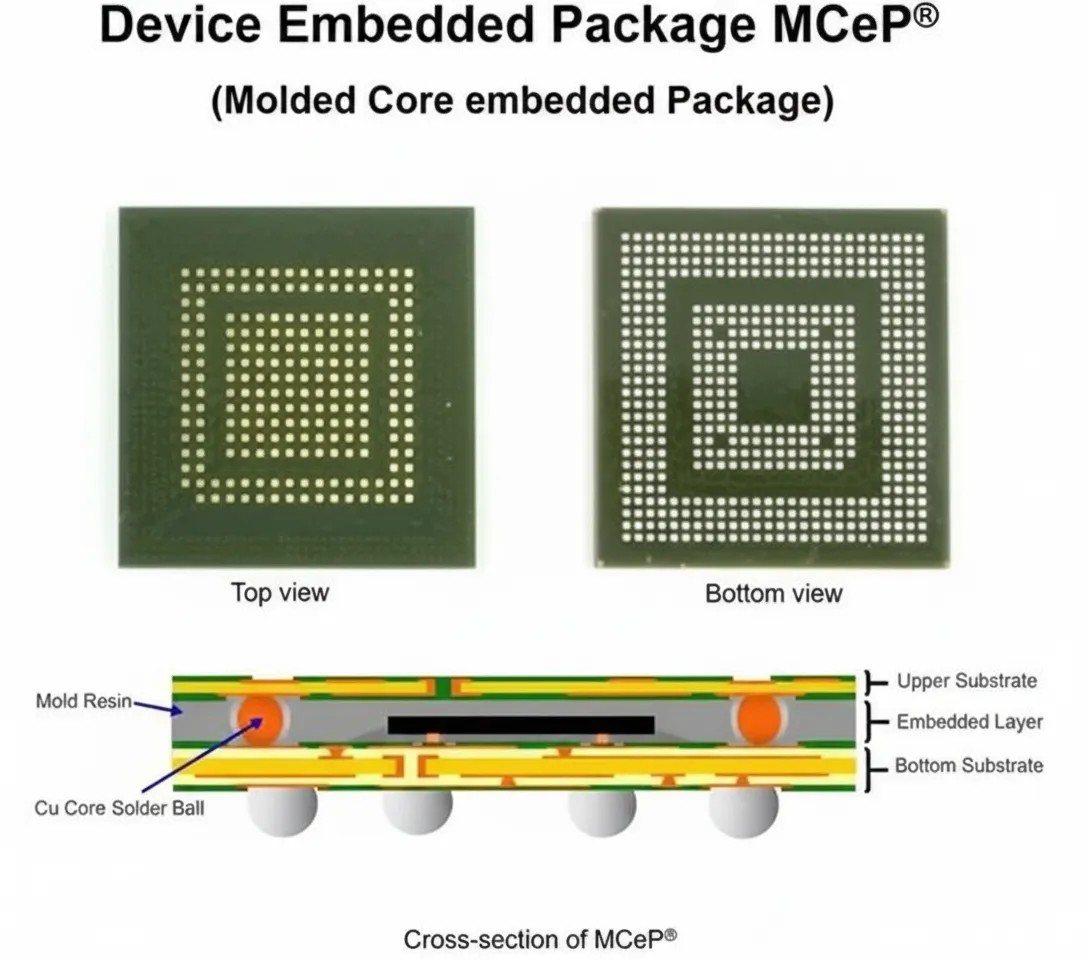
One of the most obvious differences between wearable devices and other electronics is size. Compared with smartphones, the relatively small screens on smartwatches present special challenges for PCB companies. They must account for the expectation that users will want the same functionality as other devices but in a much smaller form factor. That requires providing the same capabilities within a limited area.
Temperature
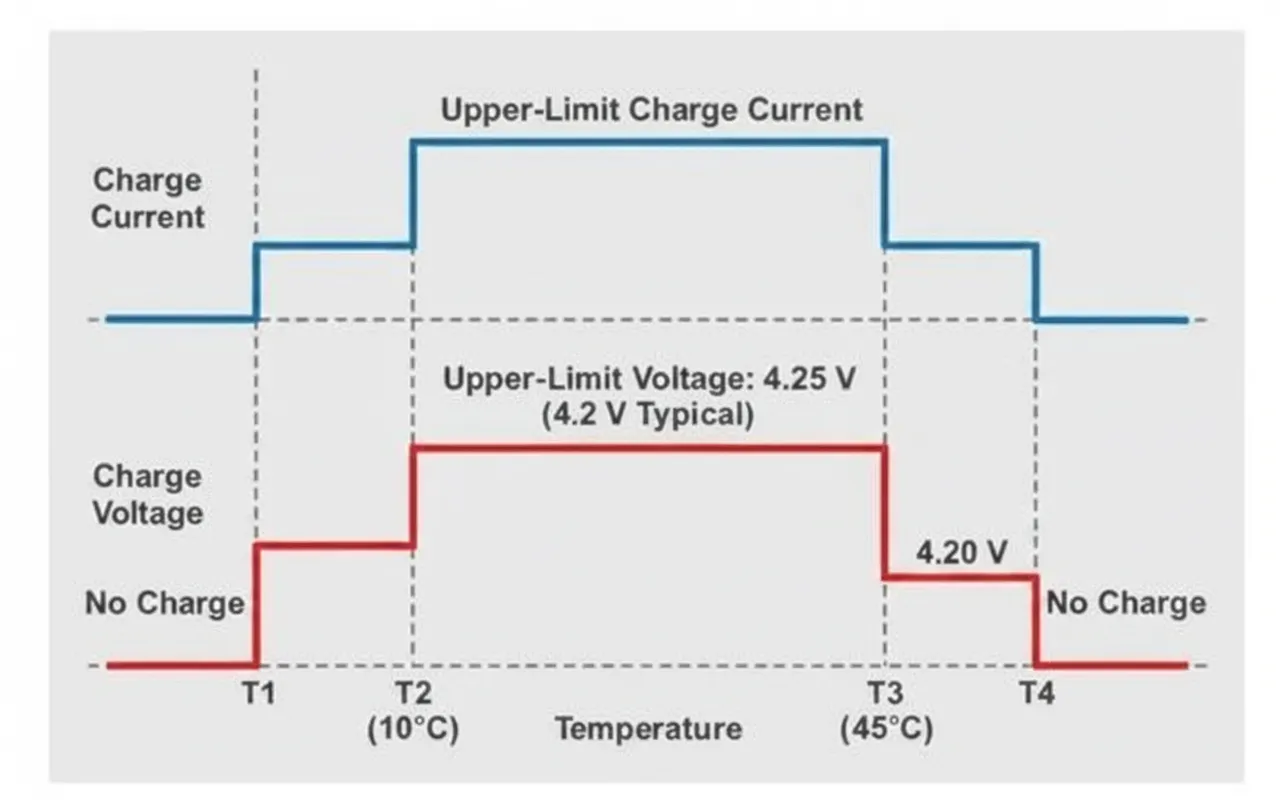
Many regions around the world experience extreme heat or extreme cold. Companies that design and manufacture PCBs need to account for this. They must design and produce PCBs that operate across both extremes, for example functioning in Moscow during winter and in Mesa, Arizona during summer. Achieving this requires precise design to ensure components tolerate such environmental stress.
Humidity
In addition to temperature, PCB designers and manufacturers must always consider humidity. Even small amounts of moisture can seriously damage PCBs that are not designed to handle it. When discussing humidity, designers are not only referring to rainforest conditions; they also mean the small amounts of moisture released by the human body. Because these devices are intended to be worn on the body, PCB companies must consider physiological factors that might not be relevant to other electronics.
Insulation
Improper insulation can cause unintended current paths across parts of a device, which is especially important when wearable devices are in close contact with the user's skin. Inadequate insulation can lead to electric shock, battery leakage, or overheating, any of which could cause serious harm to the wearer.
Power
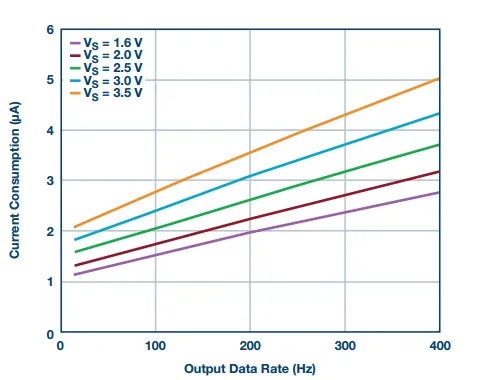
Wearable devices are small, and so are their batteries. Battery life depends on the device's technical capabilities: some devices last several days, while others run for less than a day. PCB designers must carefully account for the power output of these batteries. Power considerations affect not only device functionality but also PCB construction, since designers must create the most efficient paths through necessary components to minimize energy waste and extend operational life. Micro batteries supply power for wearable devices.