 ALLPCB


Are you looking to enhance the durability of your printed circuit boards (PCBs) under mechanical stress? The choice of solder mask, particularly liquid photoimageable (LPI) solder mask, plays a significant role in determining PCB flexural strength. In this blog, we’ll explore how LPI solder mask affects PCB bending strength, influences solder mask stress distribution, and contributes to improving PCB durability. We’ll dive into the mechanical properties of solder mask and provide actionable insights for engineers and designers aiming to optimize their PCB designs for reliability and performance.
What Is Liquid Photoimageable Solder Mask and Why Does It Matter?
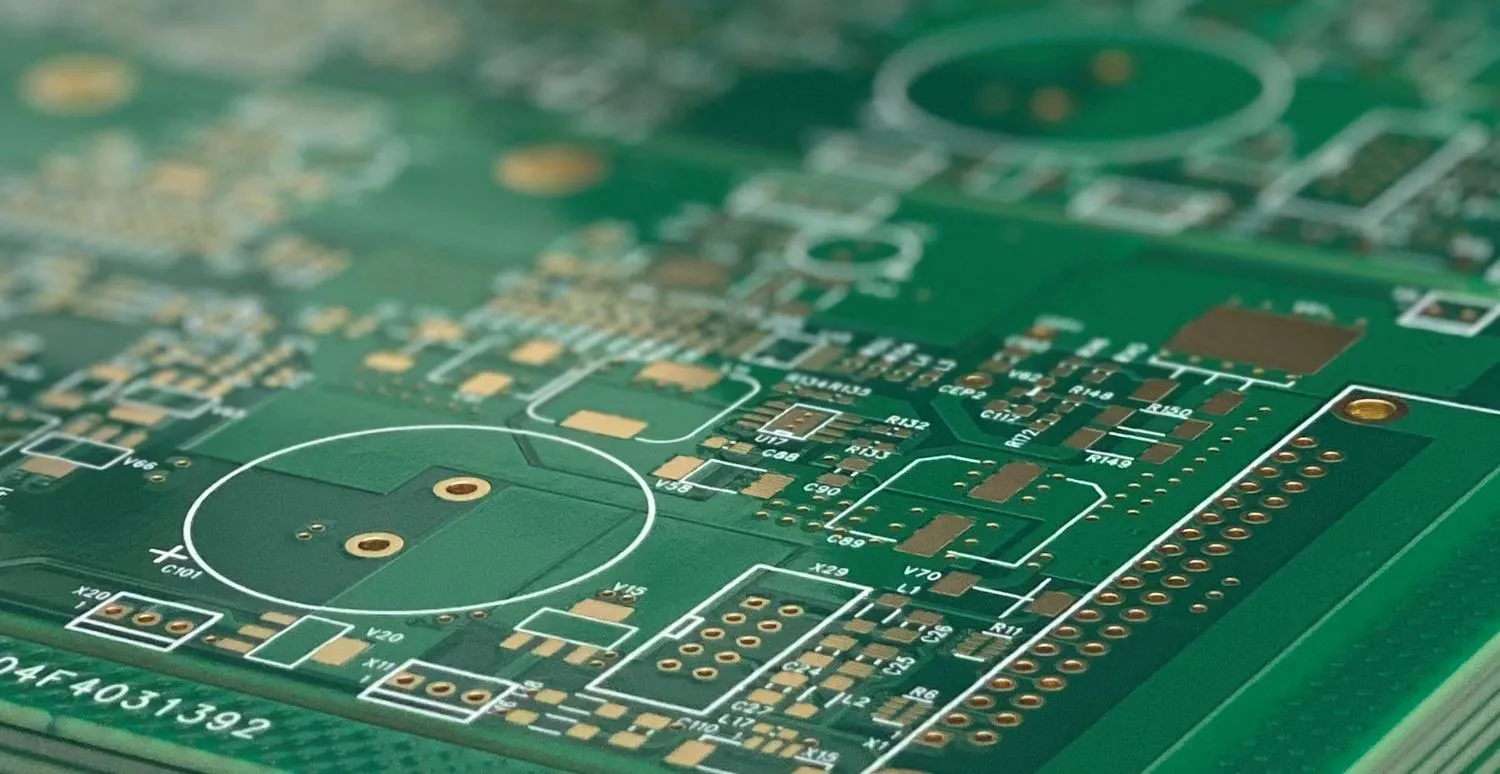
A solder mask is a protective layer applied to the copper traces of a PCB to prevent short circuits, protect against oxidation, and ensure proper soldering during assembly. Liquid photoimageable (LPI) solder mask is a popular choice in modern PCB manufacturing due to its precision and versatility. Unlike traditional dry film solder masks, LPI is applied as a liquid and then cured using UV light through a photoimaging process. This allows for finer details and better coverage, especially on complex board designs with tight tolerances.
But beyond its role in electrical insulation, LPI solder mask also impacts the mechanical behavior of a PCB, including its flexural strength—the ability to withstand bending forces without cracking or breaking. For applications where PCBs are subjected to repeated flexing or mechanical stress, such as in wearable devices or automotive electronics, understanding the relationship between solder mask and PCB bending strength is critical.
How Solder Mask Affects PCB Flexural Strength
Flexural strength refers to a material’s ability to resist deformation under bending stress. In the context of PCBs, this property determines how much mechanical stress the board can handle before it sustains damage, such as cracks in the substrate or delamination of layers. While the substrate material (often FR4) is the primary factor in determining flexural strength, the solder mask contributes significantly to the overall mechanical integrity of the board.
LPI solder mask, due to its thin and uniform application (typically 0.8 to 1.2 mils or 20 to 30 micrometers thick), adds a layer of protection without significantly increasing the board’s stiffness. However, the mechanical properties of solder mask, such as its elasticity and tensile strength, influence how stress is distributed across the PCB during bending. A poorly chosen or improperly applied solder mask can lead to uneven solder mask stress distribution, creating weak points where cracks are more likely to form.
For instance, LPI solder masks with higher elasticity can absorb some of the bending stress, reducing the risk of damage to the underlying copper traces or substrate. Studies suggest that a solder mask with a tensile strength of around 50-70 MPa and an elongation at break of 10-15% can effectively enhance PCB bending strength by distributing mechanical stress more evenly across the board surface.
The Role of Solder Mask Stress Distribution in PCB Durability
One of the key factors in improving PCB durability is managing how stress is distributed across the board during mechanical loading. When a PCB bends, stress concentrates at certain points, such as near mounting holes, connectors, or areas with dense component placement. If the solder mask does not have the right mechanical properties, it can crack or delaminate under this stress, exposing copper traces to environmental damage and compromising the board’s reliability.
LPI solder mask offers advantages in solder mask stress distribution due to its ability to form a consistent, thin layer that adheres well to the PCB surface. Its flexibility allows it to conform to the board’s movements during bending, reducing the likelihood of localized stress buildup. For example, in flexible or rigid-flex PCBs, where bending is a regular occurrence, an LPI solder mask with a low modulus of elasticity (around 2-3 GPa) can help distribute stress more evenly, preventing fatigue failure over time.
Mechanical Properties of Solder Mask: What to Look For
The mechanical properties of solder mask are critical when selecting a material for applications requiring high PCB bending strength. Here are the key properties to consider:
- Tensile Strength: This measures the maximum stress the solder mask can withstand before breaking. A higher tensile strength (e.g., 60 MPa) indicates better resistance to cracking under mechanical stress.
- Elongation at Break: This represents the material’s ability to stretch before failing. A solder mask with 10-15% elongation can handle more bending without cracking, which is vital for improving PCB durability.
- Modulus of Elasticity: A lower modulus (e.g., 2-3 GPa) indicates greater flexibility, allowing the solder mask to absorb bending stress without transferring it directly to the substrate.
- Adhesion Strength: Good adhesion to the PCB surface ensures that the solder mask does not peel or delaminate during bending, which could expose copper traces and reduce durability.
LPI solder masks are often formulated to balance these properties, providing a combination of flexibility and strength that supports solder mask flexural strength. When selecting a solder mask, engineers should consult material datasheets to ensure the chosen product meets the mechanical demands of their specific application.
Improving PCB Durability with the Right Solder Mask Choice
Choosing the right solder mask is a practical step toward improving PCB durability, especially for boards exposed to mechanical stress. Here are some actionable tips for leveraging LPI solder mask to enhance PCB bending strength:
- Opt for High-Quality LPI Materials: Not all LPI solder masks are created equal. Look for formulations designed for flexibility and high adhesion, especially if your PCB will undergo frequent bending or vibration.
- Control Solder Mask Thickness: Applying the solder mask too thickly (above 1.5 mils or 38 micrometers) can reduce flexibility and increase stress concentration. Aim for a thickness of 0.8-1.2 mils for optimal performance.
- Consider Environmental Factors: Temperature and humidity can affect the mechanical properties of solder mask. Choose an LPI solder mask with good thermal stability (e.g., able to withstand -40°C to 125°C) to maintain solder mask flexural strength in harsh conditions.
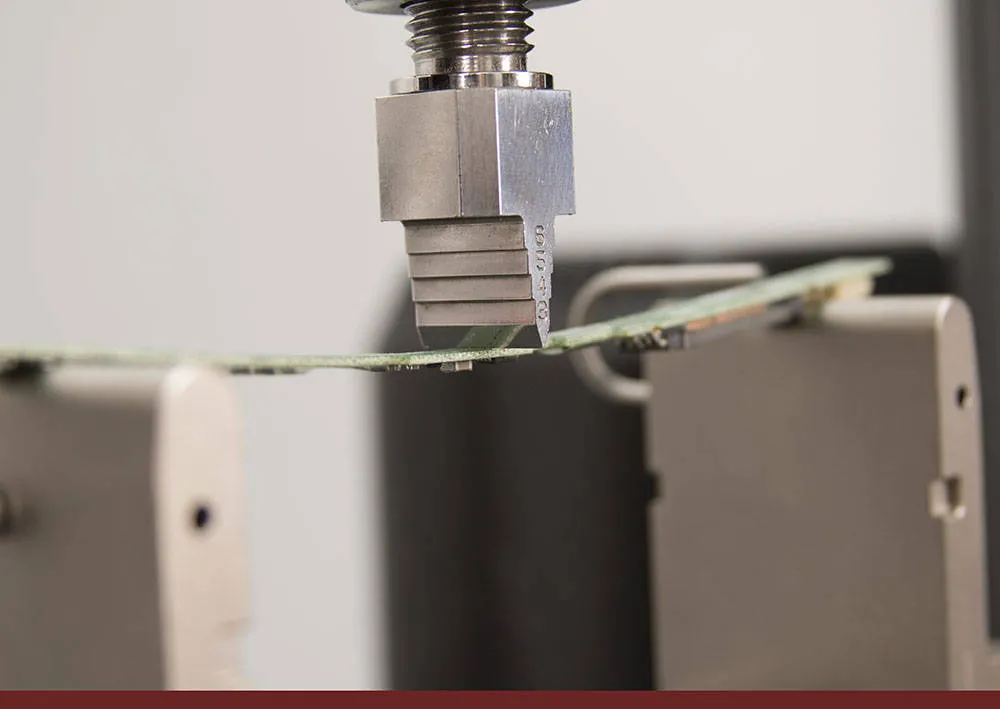
- Test for Mechanical Stress: Before mass production, subject prototype boards to bending tests (e.g., three-point bend testing per IPC-TM-650 standards) to evaluate how the solder mask performs under stress. This can help identify potential weaknesses in solder mask stress distribution.
Applications Where Solder Mask Flexural Strength Is Critical
The impact of LPI solder mask on PCB flexural strength is particularly important in specific industries and applications. Here are a few examples where mechanical durability is a top priority:
- Wearable Electronics: Devices like smartwatches and fitness trackers often use flexible PCBs that must endure constant bending. An LPI solder mask with high elongation can prevent cracking and ensure long-term reliability.
- Automotive Electronics: PCBs in vehicles face vibration, thermal cycling, and mechanical stress. A durable solder mask helps maintain PCB bending strength under these demanding conditions.
- Industrial Equipment: Heavy machinery control boards may experience mechanical shock. A robust LPI solder mask can protect against damage and extend the board’s lifespan.
In each of these scenarios, selecting an LPI solder mask with the right mechanical properties can make a significant difference in performance and reliability.
Challenges and Limitations of LPI Solder Mask in Flexural Strength
While LPI solder mask offers many benefits for improving PCB durability, it is not without challenges. For instance, if the solder mask is not cured properly during manufacturing, it may become brittle, reducing its ability to handle bending stress. Incomplete curing can lower tensile strength to as little as 30 MPa, compared to the desired 50-70 MPa, leading to premature failure.
Additionally, LPI solder mask may struggle in extreme bending applications, such as ultra-thin flexible circuits, where the material’s flexibility is pushed to its limits. In such cases, engineers might need to explore specialized solder mask formulations or alternative protective coatings to achieve the necessary PCB bending strength.
Future Trends in Solder Mask Technology for Mechanical Durability
As PCB designs become more complex and applications demand greater durability, solder mask technology continues to evolve. Recent advancements focus on developing LPI solder masks with enhanced mechanical properties, such as higher elongation (up to 20%) and improved thermal resistance. These innovations aim to address the growing need for PCBs that can withstand extreme mechanical stress while maintaining electrical performance.
Another trend is the integration of nano-fillers into LPI solder mask formulations. These additives can improve tensile strength and flexibility, further enhancing solder mask flexural strength and solder mask stress distribution. Staying updated on these developments can help engineers design more robust PCBs for future applications.
Conclusion: Optimizing PCB Performance with LPI Solder Mask
The choice of solder mask has a profound impact on PCB flexural strength and overall durability. Liquid photoimageable solder mask, with its precision application and adaptable mechanical properties, offers a reliable solution for enhancing PCB bending strength and ensuring even solder mask stress distribution. By selecting the right LPI solder mask and optimizing its application, engineers can significantly improve PCB durability for a wide range of applications, from consumer electronics to industrial systems.
At ALLPCB, we understand the importance of balancing electrical and mechanical performance in PCB design. Our expertise in manufacturing processes ensures that your boards are equipped with high-quality LPI solder masks tailored to your specific needs. Whether you’re working on flexible circuits or rigid boards, we’re here to support you in achieving optimal results.





