ALLPCB


Concept
The smart grid is a power grid system that integrates information technologies, renewable energy technologies, and power system automation to enable automation, visibility, and controllability of the power system. By using advanced communication, sensing, computation, and control technologies, the smart grid enables intelligent management of the power system, improving operational efficiency, reliability, safety, and flexibility.
Key Features
- Renewable energy integration: The smart grid makes extensive use of renewable sources such as solar and wind. These resources provide sustainable and increasingly cost-effective electricity.
- Energy storage: The smart grid employs energy storage technologies to store excess electricity for later use. This reduces losses caused by load variations on transmission and distribution lines and increases grid resilience.
- Intelligent management: Sensors and monitoring devices provide real-time awareness and control of grid state, enabling rapid fault response and optimized distribution. Big data analysis and artificial intelligence can further optimize supply management and improve system stability.
- Controllability and reliability: The smart grid supports centralized control and optimized distribution of loads and devices to ensure safe, stable, and efficient operation while maintaining supply reliability.
- Efficient energy use: The smart grid can significantly improve energy efficiency, mitigate peak loads, and support emissions reductions while maintaining supply stability.
Operation Principles
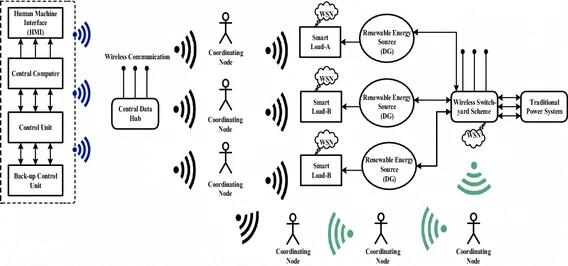
The smart grid is implemented using modern information and communication technologies, big data, intelligent sensors, energy storage, and automated control. Its operation can be summarized as follows:
- Intelligent sensing: Sensors installed across grid components and end devices collect real-time data, including load variations, renewable generation, and device energy consumption.
- Data transmission: Collected data are transmitted via wireless, wired, and internet-based communication technologies. Interaction between local power systems and central grid management provides critical input for dispatch and control decisions.
- Energy storage: Energy storage systems such as batteries and supercapacitors store excess power for later use.
- Control and dispatch: Processed data are used to forecast load and generation, enabling automated dispatch and optimized control of connected devices to improve efficiency and intelligence.
- Diversified energy supply: The smart grid manages multiple energy sources, integrating solar, wind, geothermal, and other renewables to maximize use of sustainable energy.
Application Examples
- Microgrids: Microgrids are localized systems of multiple generation sources, loads, and storage devices. Through integrated control, microgrids provide distributed supply for local demand and can coordinate with the wider grid for optimized dispatch.
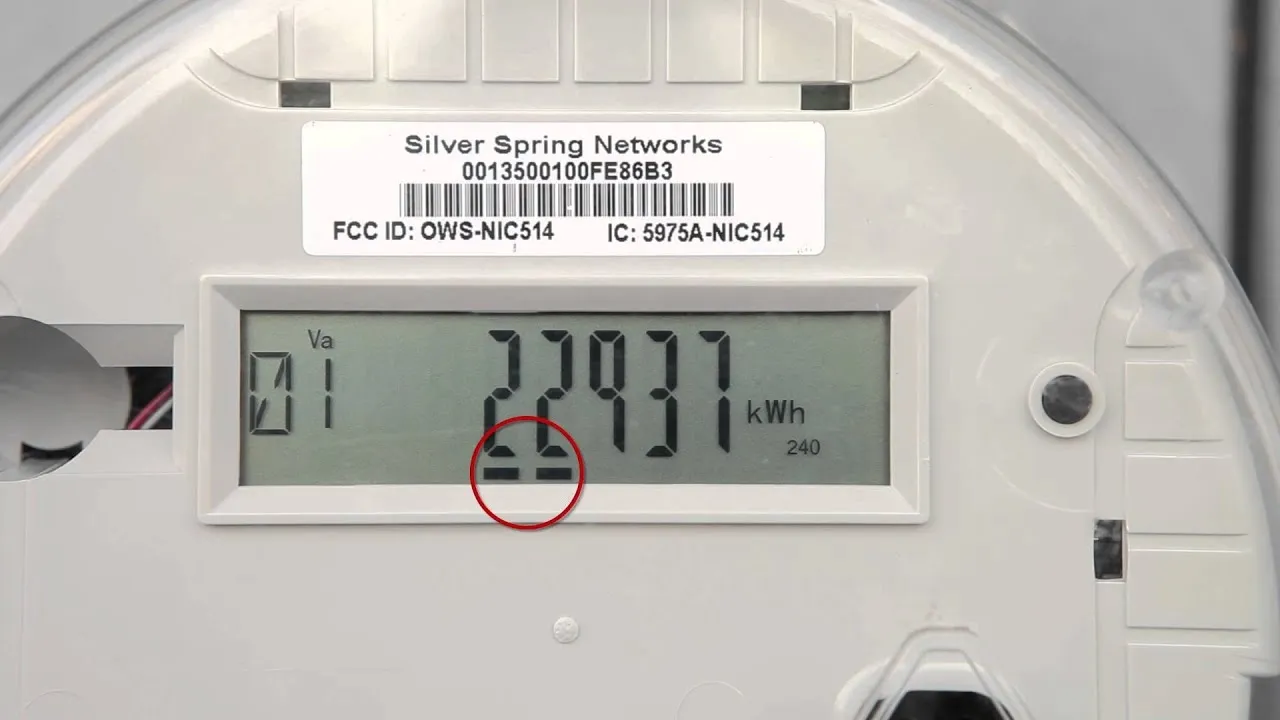
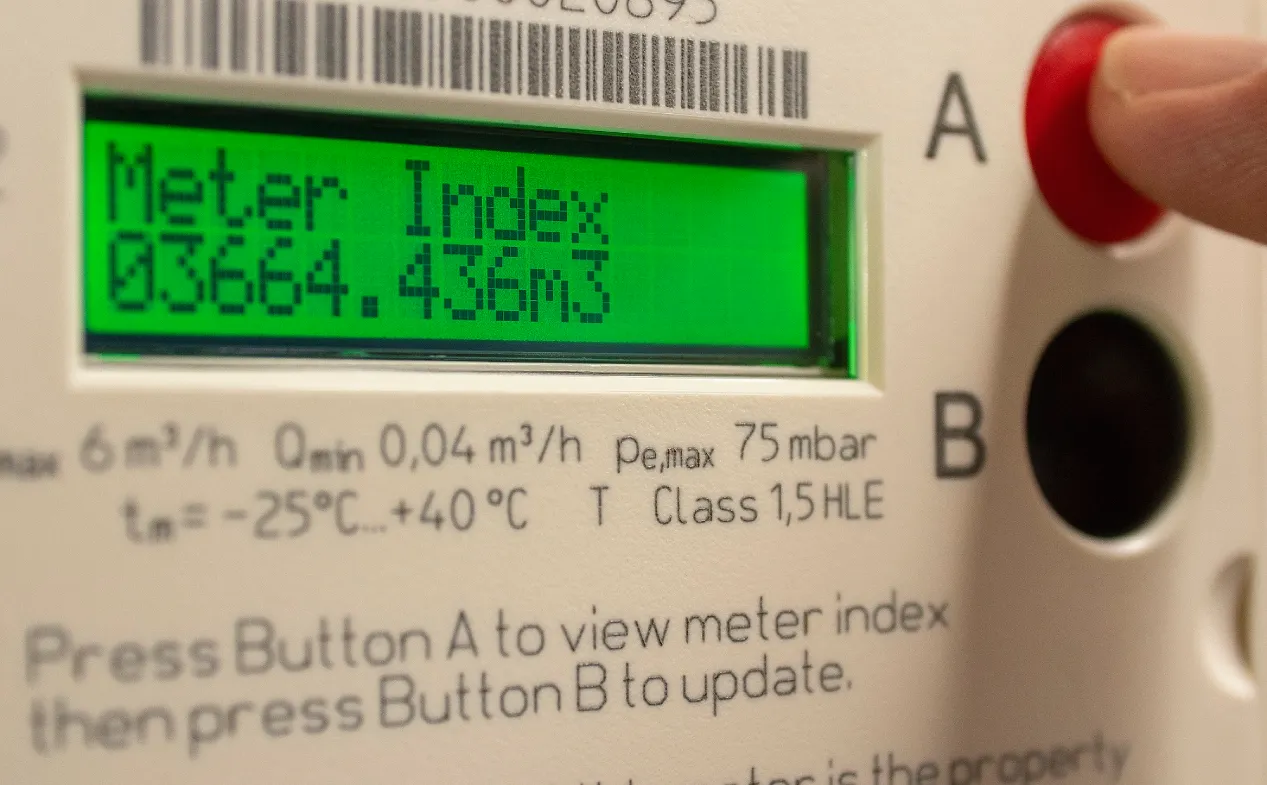
- Smart metering and managed consumption: Smart meters, cloud computing, and big data enable visualization and control of electricity use, allowing management of consumption patterns and waste reduction.
- Intelligent distribution upgrades: Digitization and automation of transmission and distribution systems enable real-time monitoring, fault diagnosis, and predictive maintenance to improve supply reliability.
- Demand response services: Time-of-use and peak shaving mechanisms allow dynamic coordination of supply and demand for more flexible dispatch and personalized services.
- Peer energy trading: Technologies such as blockchain can enable energy transactions between users, promoting cleaner energy adoption and optimizing supply-demand balance.
- Electric vehicle charging and storage integration: Connected charging and storage systems coordinate charging and discharging to optimize grid resource use.
- Grid maintenance automation: Automated maintenance processes improve efficiency, reduce costs, and help ensure stable grid operation.
The smart grid spans a broad set of technologies and applications. By integrating sensing, communication, storage, and control, it improves energy efficiency, supports renewable integration, and enhances the resilience and flexibility of power systems.