ALLPCB


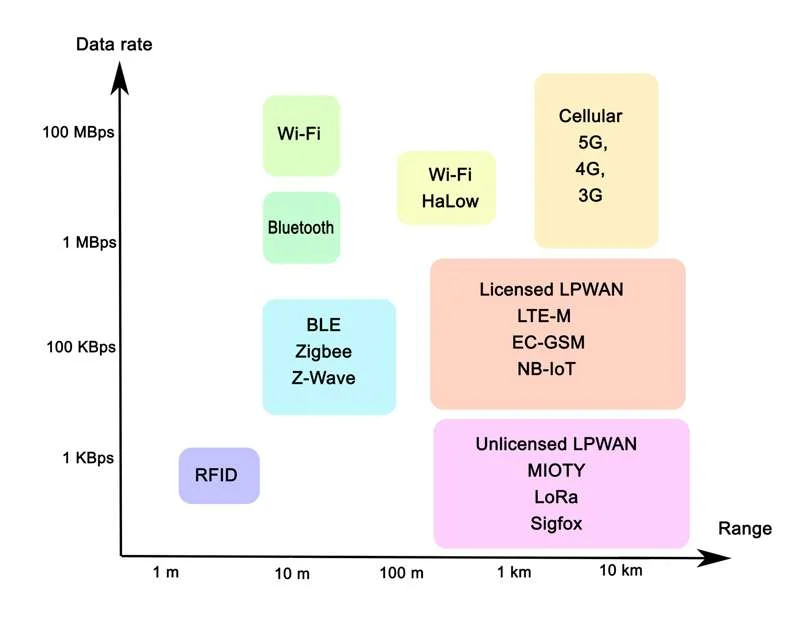
The Internet of Things (IoT) elevates consumer electronics and may drive the next wave of product innovation. Consumer electronics are a key access point for IoT. The ubiquity of smartphones has accelerated IoT adoption in this category. Consumer devices commonly use Bluetooth, Z-wave, Zigbee, and other protocols to connect to IoT gateways, which in turn connect to cloud services.
This article explains how IoT is redefining the boundaries of connected consumer devices for OEMs.
New service-driven revenue models
IoT enables new revenue streams by layering services on top of hardware. Examples include fitness trackers offering subscription workout programs, connected vehicles sharing real-time location with family or friends, vehicle health monitoring and alert systems, and smart TV sticks that convert legacy TVs into OTT-capable devices. Manufacturers gain access to behavioral data and can offer services that simplify consumers' daily tasks. Cloud providers such as Amazon and Ayla offer device-side cloud-connect agents to reduce time to market, providing capabilities beyond scheduling and OTA, including telemetry and remote management.
How IoT changes product development and feedback
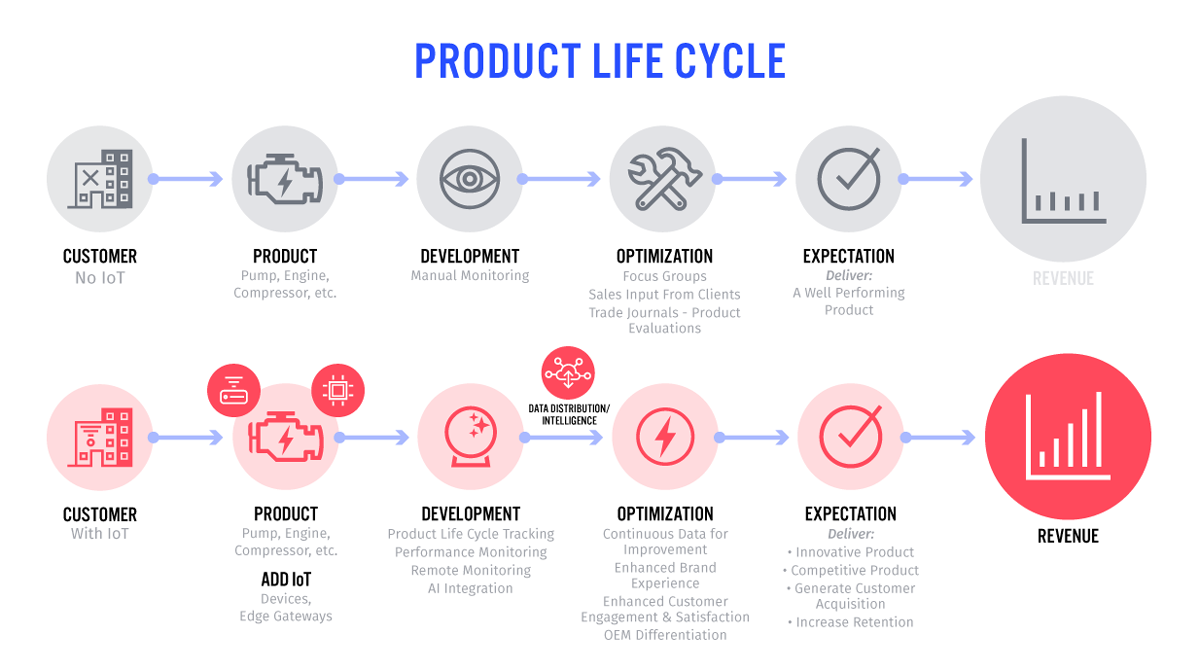
IoT changes the consumer electronics market by altering how consumers interact with products. Manufacturers analyze customer behavior to improve products and services. The following sections summarize benefits for both consumers and manufacturers across device categories.
Improve product quality
As consumers interact with IoT devices, those devices generate usage and fault data. Manufacturers analyze this data to improve product quality. For example, an IoT device that connects via a mobile app to a home Wi-Fi router can prompt users for experience feedback or report faults. That information helps manufacturers focus on problematic features and, when feasible, deliver fixes via OTA updates or address hardware dependencies in subsequent revisions. Access to feature-level feedback supports iterative improvements and accelerates overall quality enhancement.
Personalized experience
IoT devices push data to the cloud, enabling companies to understand user behavior and predict individual needs. This allows companies to offer tailored solutions instead of one-size-fits-all products, such as customized fitness plans or tiered streaming subscriptions based on user profiles. Personalization can increase sales and improve customer satisfaction, which in turn can drive recommendations.
Consumer convenience
IoT allows devices to provide contextual information without manual inspection, such as manufacture dates or nutritional data for food items. Users can identify expired or nutritionally inferior products automatically, supporting healthier choices without manual effort. For example, a smart refrigerator can maintain an inventory with expiration and nutrition tracking, and users can generate a shopping list on their smartphone from that data.
Remote device monitoring and control
Consumers can remotely monitor and control electronic devices, a capability not available before IoT. For instance, a user can turn on air conditioning while en route home to ensure a comfortable temperature on arrival. Remote status checks and the ability to power off appliances when not needed can save energy. Smart locks enable remote access control without a physical presence.
Rapid feature deployment via OTA
Time to market is critical for manufacturers. IoT simplifies the process of collecting usage data for new features through normal device interactions, allowing faster development cycles without lengthy surveys. Devices with OTA support enable manufacturers to ship products with core functionality and later deliver additional features via OTA as they mature. This provides ongoing feature updates to end users.
Challenges for manufacturers
- Coordinating multiple vendors and streamlining design and development across mobile, cloud, firmware, and hardware domains while simplifying manufacturing
- Meeting aggressive time-to-market requirements in highly competitive markets
- Ensuring product security certifications and compliance with international safety regulations