ALLPCB


When it comes to PCB manufacturing, selecting the right dry film solder mask for lead-free soldering is critical for ensuring reliability and compliance with environmental standards like RoHS. Lead-free soldering, often required for modern electronics, demands materials that can withstand higher temperatures and maintain performance. A dry film solder mask offers precision and durability, making it a popular choice for protecting circuits during high-temperature soldering processes. In this comprehensive guide, we’ll explore how to choose the best dry film solder mask for lead-free soldering, focusing on key factors like thermal resistance, compatibility with RoHS standards, and application in PCB production.
What Is a Dry Film Solder Mask and Why Does It Matter for Lead-Free Soldering?
A dry film solder mask is a thin, photosensitive layer applied to a printed circuit board (PCB) to protect copper traces from oxidation and prevent solder bridges during assembly. Unlike liquid photoimageable (LPI) solder masks, dry film masks come as a solid sheet that is laminated onto the PCB surface. This method provides uniform thickness, typically ranging from 0.7 to 1.5 mils (18 to 38 micrometers), and high precision for fine-pitch designs.
Lead-free soldering, driven by RoHS (Restriction of Hazardous Substances) regulations since 2006, uses alloys like SAC305 (Sn-3.0Ag-0.5Cu) that require higher melting temperatures, often between 240°C and 270°C, compared to traditional lead-based solders at 240°C to 260°C. These elevated temperatures put additional stress on the solder mask, making thermal stability a top priority. Choosing a dry film solder mask designed for such conditions ensures the PCB withstands the soldering process without cracking, peeling, or degrading.
Key Benefits of Dry Film Solder Mask in Lead-Free Soldering
Dry film solder masks offer several advantages that make them suitable for lead-free soldering in PCB manufacturing. Understanding these benefits helps in making an informed decision for your projects.
- High Thermal Resistance: Dry film masks are engineered to endure temperatures above 260°C, aligning with the demands of lead-free soldering processes. This prevents issues like delamination or discoloration during reflow.
- Precision for Fine Features: With resolutions supporting line widths as narrow as 3 mils (75 micrometers), dry film masks are ideal for high-density PCB designs common in modern electronics.
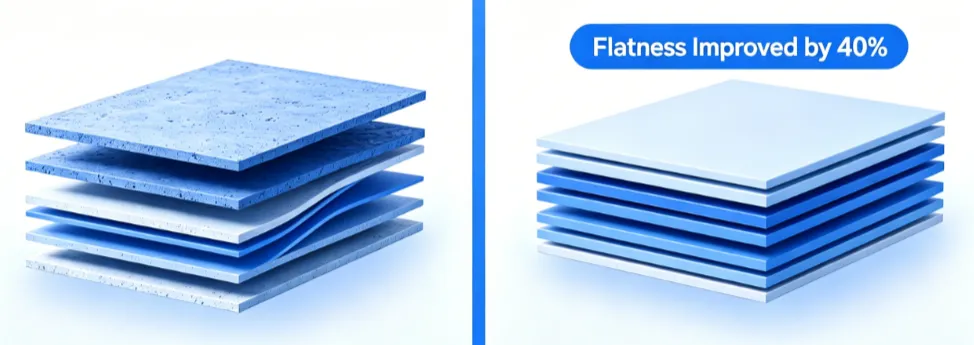
- Uniform Thickness: The lamination process ensures consistent coverage, reducing defects like uneven coating that can occur with liquid masks, especially under high-temperature stress.
- Durability: These masks provide robust protection against chemical exposure and mechanical stress during assembly, which is crucial for maintaining PCB integrity with lead-free alloys.
Factors to Consider When Choosing a Dry Film Solder Mask for Lead-Free Soldering
Not all dry film solder masks are created equal. When selecting one for lead-free soldering, several critical factors must be evaluated to ensure compatibility and performance.
1. Thermal Stability for High-Temperature Solder
Lead-free soldering often involves peak temperatures of 260°C to 270°C during reflow. A suitable dry film solder mask must have a glass transition temperature (Tg) above 140°C and be rated for thermal endurance beyond 300°C for short durations. Masks with lower thermal ratings may crack or lose adhesion, leading to exposed copper and potential short circuits. Look for product specifications that explicitly mention compatibility with lead-free processes.
2. RoHS Compliance
Since lead-free soldering aligns with RoHS directives, the solder mask itself must also be free of restricted substances like lead, mercury, and cadmium. Verify that the mask material meets RoHS standards to ensure your PCB remains compliant with global environmental regulations. Most manufacturers provide certification or documentation confirming compliance.
3. Adhesion and Chemical Resistance
During lead-free soldering, the PCB is exposed to aggressive fluxes and cleaning agents. A high-quality dry film solder mask should exhibit strong adhesion to the substrate, resisting peeling or lifting even after multiple thermal cycles. Additionally, it should withstand chemicals used in post-soldering cleaning without degrading. Adhesion strength is often tested per IPC-TM-650 standards, with acceptable peel strength values typically above 6 N/cm.
4. Thickness and Coverage for PCB Protection
The thickness of the dry film solder mask impacts its ability to protect the PCB. For lead-free soldering, a thickness of 0.8 to 1.2 mils (20 to 30 micrometers) is often recommended to balance protection and flexibility. Thicker masks may offer better insulation but can complicate fine-pitch soldering, while thinner masks risk insufficient coverage. Ensure the mask provides uniform application over complex board geometries.
5. Compatibility with PCB Design and Assembly
Consider the specific requirements of your PCB design. For high-density interconnect (HDI) boards, a dry film solder mask with high resolution is essential to avoid covering small vias or pads. Additionally, check if the mask supports the assembly process, including compatibility with surface finishes like ENIG (Electroless Nickel Immersion Gold), which are common in lead-free applications.
How Dry Film Solder Mask Application Works in PCB Manufacturing
Understanding the application process of dry film solder masks provides insight into why they are effective for lead-free soldering. The process involves several precise steps, each contributing to the mask’s performance under high temperatures.
- Surface Preparation: The PCB surface is cleaned to remove contaminants like oil or oxide layers. A clean, dry surface ensures proper adhesion of the dry film.
- Lamination: The dry film, typically a three-layer structure (polyester cover, photosensitive resist, and polyethylene separator), is laminated onto the PCB using heat and pressure. This step achieves uniform thickness, critical for consistent protection.
- Exposure: The laminated film is exposed to UV light through a photomask, hardening the areas that will remain as the solder mask. Unexposed areas are later removed.
- Development: A chemical developer removes the unexposed film, revealing the copper pads for soldering while protecting the traces.
- Curing: The mask is thermally or UV cured to enhance its durability and resistance to high-temperature soldering. Curing temperatures often range from 120°C to 150°C for 30 to 60 minutes.
This meticulous process ensures the solder mask can handle the thermal stress of lead-free soldering without compromising the PCB’s integrity.
Challenges of Lead-Free Soldering and How Dry Film Solder Masks Help
Lead-free soldering introduces specific challenges in PCB manufacturing due to higher processing temperatures and different alloy behaviors. Dry film solder masks are designed to mitigate these issues effectively.
- Higher Thermal Stress: Lead-free alloys like SAC305 have a melting point around 217°C to 221°C, requiring reflow temperatures up to 270°C. Dry film masks with high Tg values prevent thermal degradation during these cycles.
- Increased Risk of Defects: The narrower process window for lead-free soldering can lead to defects like tombstoning or insufficient wetting. A precise dry film mask ensures accurate solder placement, reducing such risks.
- Environmental Compliance: With RoHS mandates, manufacturers must avoid hazardous materials. Dry film masks formulated for lead-free processes align with these standards, supporting sustainable production.
Tips for Selecting and Using Dry Film Solder Masks in Lead-Free Soldering
To maximize the performance of dry film solder masks in lead-free soldering, consider these practical tips during selection and application.
- Review Manufacturer Specifications: Always check the technical data sheet for thermal resistance, thickness, and RoHS compliance before selecting a dry film solder mask.
- Test Under Real Conditions: Simulate the lead-free soldering process with sample boards to ensure the mask performs as expected at peak temperatures of 260°C to 270°C.
- Optimize Lamination Parameters: Adjust lamination temperature (typically 100°C to 120°C) and pressure to avoid air bubbles or poor adhesion, which can fail under high-temperature stress.
- Store Properly: Dry film solder masks are sensitive to humidity and light. Store them in a cool, dry environment (around 20°C and 50% relative humidity) to maintain their properties before use.
- Collaborate with Suppliers: Work closely with your PCB material supplier to select a dry film mask tailored for your specific lead-free soldering requirements and PCB design.
Comparing Dry Film Solder Masks to Other Options for Lead-Free Soldering
While dry film solder masks excel in many areas, it’s worth comparing them to alternatives like liquid photoimageable (LPI) masks to understand their unique advantages in lead-free soldering.
- Dry Film vs. LPI Masks: Dry film masks offer superior thickness uniformity and resolution for fine-pitch designs, making them ideal for complex PCBs. LPI masks, applied via screen printing or spraying, may be more cost-effective for simpler boards but can vary in thickness (0.5 to 2 mils or 13 to 50 micrometers), risking uneven protection during high-temperature soldering.
- Thermal Performance: Both types can be formulated for lead-free processes, but dry film masks often provide better consistency in thermal cycling due to their controlled application process.
- Cost and Scalability: Dry film masks may have a higher initial cost due to the lamination equipment needed, but they reduce defects in high-volume production, saving costs long-term for lead-free PCB assembly.
Conclusion: Making the Right Choice for Lead-Free Soldering Success
Choosing the right dry film solder mask for lead-free soldering is a pivotal decision in PCB manufacturing. With the higher temperatures of lead-free alloys and the need for RoHS compliance, selecting a mask with excellent thermal stability, strong adhesion, and precise application is essential. Dry film solder masks stand out for their uniformity and durability, making them a reliable choice for protecting circuits during high-temperature solder processes. By considering factors like thermal resistance, thickness, and compatibility with your PCB design, you can ensure optimal performance and reliability in your projects.
At ALLPCB, we’re committed to supporting your PCB manufacturing needs with advanced materials and expertise. Whether you’re navigating the challenges of lead-free soldering or optimizing your design for RoHS standards, the right dry film solder mask can make all the difference in achieving high-quality, sustainable results.