ALLPCB


In the fast-evolving world of medical technology, MRI machines stand as a cornerstone for accurate diagnostics. But how can we make these machines even better? The answer lies in advanced flexible PCB technology. By integrating flexible and rigid-flex PCBs into MRI systems, manufacturers can achieve high image accuracy and seamless integration, transforming the way these machines operate. In this blog, we’ll dive deep into how this cutting-edge technology is revolutionizing MRI machines, improving performance, and enhancing patient outcomes.
What Is Flexible PCB Technology and Why Does It Matter for MRI Machines?
Flexible PCB technology refers to printed circuit boards that can bend and conform to various shapes without breaking. Unlike traditional rigid PCBs, these flexible boards are made from materials like polyimide, which allow them to adapt to compact or irregular spaces. When combined with rigid-flex designs—a hybrid of rigid and flexible sections—this technology offers unmatched versatility.
For MRI machines, which rely on precision and compactness, flexible PCBs are a game-changer. These machines use powerful magnets and radio waves to create detailed images of the body’s interior. Every component inside an MRI system must work flawlessly to ensure high image accuracy. Flexible PCBs help by reducing signal interference, improving space efficiency, and enabling seamless integration of complex circuits. This directly translates to clearer images and faster diagnostics.
How Flexible PCB Technology Enhances High Image Accuracy in MRI Machines
High image accuracy is the ultimate goal for any MRI system. Even the slightest distortion or noise in the signal can lead to unclear images, potentially affecting a patient’s diagnosis. Flexible PCB technology plays a critical role in minimizing these issues. Here’s how:
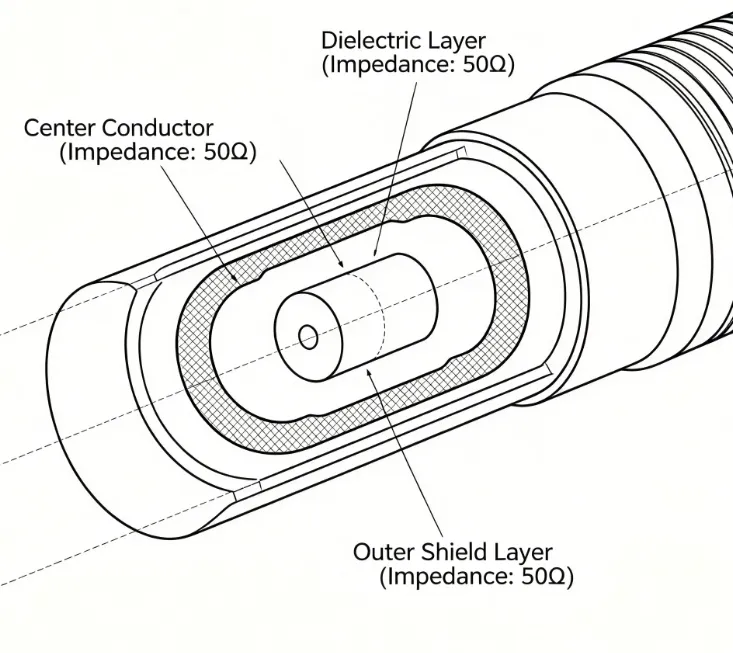
- Reduced Signal Noise: Flexible PCBs can be designed with shorter signal paths, cutting down on electromagnetic interference (EMI). For instance, signal integrity can be maintained at impedance levels as low as 50 ohms, ensuring clean data transmission for MRI imaging coils.
- Optimized Coil Design: MRI machines use radio frequency (RF) coils to detect signals from the body. Flexible PCBs allow these coils to be shaped precisely to fit around the patient, improving signal capture and resulting in sharper images.
- Improved Thermal Management: Overheating can degrade image quality by introducing noise. Flexible materials often have better heat dissipation properties, maintaining stable performance during long scans.
By addressing these factors, flexible PCB technology ensures that MRI machines produce images with resolutions as fine as 0.5 mm, allowing doctors to spot even the smallest abnormalities.
The Role of Rigid-Flex PCB in MRI Machine Design
Rigid-flex PCBs combine the best of both worlds: the stability of rigid boards and the adaptability of flexible ones. In MRI machines, where space is limited and reliability is non-negotiable, rigid-flex designs are becoming increasingly popular. These boards can support heavy components on rigid sections while using flexible parts to connect to other areas of the system.
For example, in an MRI machine, the control electronics might sit on a rigid section of the PCB, while the flexible portion wraps around to connect to the RF coils or gradient amplifiers. This design reduces the need for bulky connectors and cables, which can introduce signal loss or mechanical failure. Studies suggest that using rigid-flex PCBs can reduce connection points by up to 60%, significantly lowering the risk of failure in high-stress environments like MRI systems.
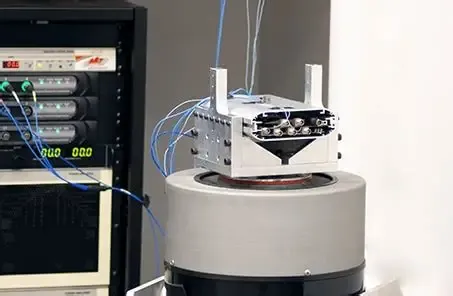
Additionally, rigid-flex PCBs contribute to durability. MRI machines operate under intense magnetic fields—often between 1.5 to 3 Tesla—and vibrations from gradient coils. A rigid-flex board can withstand these conditions better than traditional setups, ensuring long-term reliability.
Seamless Integration: Simplifying MRI Machine Assembly with Flexible PCBs
Seamless integration is about making sure every part of an MRI machine works together without hiccups. Traditional rigid PCBs often require multiple connectors, wires, and soldering points, which can complicate assembly and increase the chance of errors. Flexible PCB technology streamlines this process by:
- Reducing Component Count: A single flexible or rigid-flex PCB can replace several rigid boards and connectors, cutting down assembly time by as much as 30% in some cases.
- Conforming to Tight Spaces: MRI machines are packed with components like magnets, coils, and shielding. Flexible PCBs can bend and fold into tight spaces, making it easier to fit everything into a compact design without sacrificing performance.
- Enhancing Reliability: Fewer connection points mean fewer chances for failure. This is critical in MRI systems, where downtime can delay critical diagnoses.
By enabling seamless integration, flexible PCBs not only improve the manufacturing process but also reduce maintenance needs, saving hospitals time and money in the long run.
Benefits of Flexible PCB Technology Beyond Image Accuracy
While high image accuracy is a primary advantage, flexible PCB technology brings additional benefits to MRI machines that are worth exploring:
- Lightweight Design: Flexible PCBs are thinner and lighter than rigid boards, reducing the overall weight of portable or low-field MRI systems. This is especially important as the industry moves toward more accessible, mobile imaging solutions.
- Cost Efficiency: By simplifying assembly and reducing the number of components, flexible PCBs can lower production costs. This could make advanced MRI technology more affordable for smaller clinics or developing regions.
- Scalability: As MRI technology evolves, flexible PCBs make it easier to upgrade systems. Their adaptable nature allows engineers to modify designs without overhauling the entire machine.
These advantages show that flexible PCB technology isn’t just about improving current MRI machines—it’s about shaping the future of medical imaging.
Challenges and Solutions in Adopting Flexible PCB Technology for MRI Machines
Despite its many benefits, integrating flexible PCB technology into MRI machines comes with challenges. Understanding these hurdles and their solutions can help manufacturers make the most of this innovation.
- Challenge: High Initial Costs
Flexible and rigid-flex PCBs can be more expensive to design and prototype than traditional boards.
Solution: Investing in advanced design software and simulation tools can reduce trial-and-error costs. Over time, the reduced assembly and maintenance expenses offset the initial investment. - Challenge: Compatibility with Strong Magnetic Fields
MRI machines operate under powerful magnetic fields that can interfere with electronic components.
Solution: Using specialized materials and shielding techniques in flexible PCB designs ensures they remain unaffected by magnetic forces, maintaining signal integrity. - Challenge: Complex Manufacturing
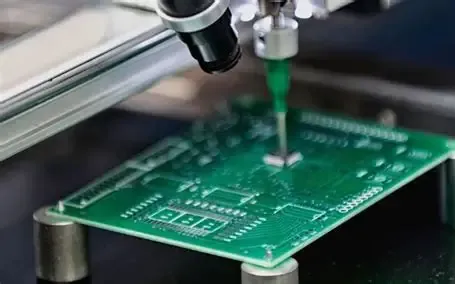
Producing flexible PCBs requires precision and expertise, which can be a barrier for some manufacturers.
Solution: Partnering with experienced PCB fabrication services ensures high-quality production that meets the strict standards of medical equipment.
By addressing these challenges head-on, the adoption of flexible PCB technology in MRI machines can continue to grow, paving the way for more advanced and reliable systems.
The Future of MRI Machines with Flexible PCB Technology
The integration of flexible PCB technology is just the beginning. As research and development continue, we can expect even more exciting advancements in MRI systems. For instance, the rise of low-field MRI scanners, which operate at magnetic strengths below 0.1 Tesla, could benefit immensely from lightweight and adaptable flexible PCBs. These portable systems aim to bring imaging to remote areas, and flexible technology will be key to making them practical and affordable.
Moreover, as artificial intelligence (AI) becomes more integrated into medical imaging, flexible PCBs can support the high-speed data processing needed for real-time analysis. With signal speeds reaching up to 10 Gbps on advanced boards, these circuits can handle the demands of AI-driven diagnostics without compromising image quality.
The future also holds potential for fully wearable MRI components, such as flexible RF coils that conform to the body’s shape for even greater accuracy. With flexible PCB technology at the core, MRI machines are set to become more precise, accessible, and patient-friendly.
Why Choose Advanced PCB Solutions for MRI Innovation?
For engineers and manufacturers working on the next generation of MRI machines, partnering with a trusted PCB provider is essential. At ALLPCB, we specialize in delivering high-quality flexible and rigid-flex PCB solutions tailored to the unique needs of medical technology. Our expertise ensures that every board meets the strict requirements for high image accuracy and seamless integration, helping you stay ahead in this competitive field.
Whether you’re designing compact RF coils or optimizing control systems, our advanced fabrication processes and rigorous quality checks guarantee reliable performance. Let us help you revolutionize MRI technology with PCBs that push the boundaries of what’s possible.
Conclusion: A New Era for MRI Machines
Flexible PCB technology is transforming MRI machines in ways that were once unimaginable. From achieving high image accuracy to enabling seamless integration, these innovative circuits are solving some of the biggest challenges in medical imaging. By reducing signal noise, optimizing space, and improving reliability, flexible and rigid-flex PCBs are helping create MRI systems that are more precise, efficient, and accessible.
As this technology continues to evolve, it’s clear that the future of MRI machines will be defined by adaptability and innovation. For manufacturers and engineers, now is the time to embrace flexible PCB solutions and lead the charge in revolutionizing healthcare diagnostics. With the right tools and partnerships, the possibilities are endless.