ALLPCB


If you’re looking to design a low-cost water treatment PCB for controlling systems like filtration, purification, or monitoring, you’ve come to the right place. This blog will guide you through creating an efficient PCB design for water treatment applications while optimizing costs. We’ll cover component selection, design strategies, and manufacturing tips to help you achieve a balance between performance and affordability. Let’s dive into the details of designing a cost-effective solution for water control systems.
Why Cost-Effective PCB Design Matters for Water Treatment Systems
Water treatment systems are essential for ensuring clean and safe water in industries, homes, and municipalities. These systems often rely on control circuits to manage pumps, sensors, valves, and other components. However, the cost of designing and manufacturing these control boards can add up quickly, especially for large-scale or budget-sensitive projects. By focusing on low-cost water treatment PCB design, you can reduce expenses without sacrificing reliability or functionality.
Optimizing PCB costs for water control isn’t just about cutting corners—it’s about smart planning. From choosing the right components to streamlining the manufacturing process, every decision impacts the final price. In this guide, we’ll explore actionable steps to help you build efficient PCB designs for water treatment while keeping costs in check.
Key Challenges in Designing PCBs for Water Treatment Systems
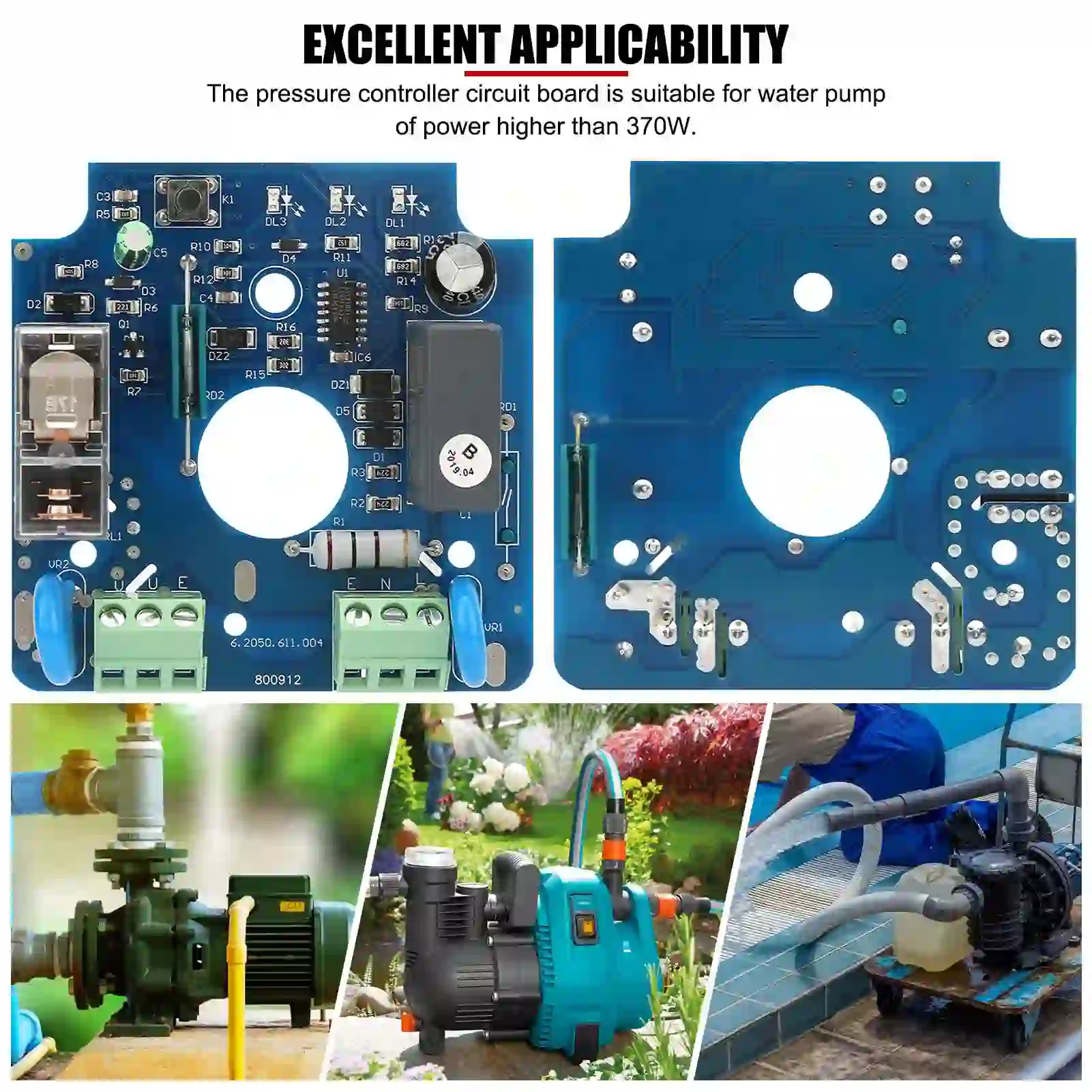
Before we get into the specifics of cost optimization, it’s important to understand the unique challenges of designing PCBs for water treatment applications. These systems often operate in harsh environments with high humidity, temperature fluctuations, and potential exposure to water or chemicals. Here are some common challenges:
- Environmental Durability: PCBs must withstand moisture and corrosion, requiring protective coatings or materials that can increase costs.
- Power Efficiency: Many water treatment systems run continuously, so energy-efficient designs are critical to reduce operational costs.
- Sensor Integration: Accurate sensors for pH, turbidity, or flow rate need to interface seamlessly with the PCB, often requiring precise analog circuitry.
- Cost Constraints: Balancing performance with affordability is a constant challenge, especially for projects targeting developing regions or small-scale applications.
Keeping these challenges in mind, let’s explore how to tackle them through efficient PCB design and component selection for water systems.
Steps to Design a Low-Cost Water Treatment PCB
Designing a cost-effective PCB for water treatment involves several stages, from planning the layout to selecting components and finalizing manufacturing. Below, we break down the process into manageable steps to help you achieve your goals.
1. Define System Requirements and Specifications
The first step in any PCB design is to clearly outline what the board needs to do. For water treatment control systems, consider the following:
- What components will the PCB control? (e.g., pumps, valves, sensors)
- What are the power requirements? (e.g., 12V or 24V DC input)
- What environmental conditions will the board face? (e.g., humidity levels up to 90%)
- What is the target cost per unit for production?
By defining these requirements upfront, you can avoid over-engineering the design, which often leads to unnecessary expenses. For example, if your system only needs to monitor water flow at a basic level, you might not need a high-end microcontroller with advanced features—something like a basic 8-bit MCU with a clock speed of 8 MHz could suffice.
2. Optimize PCB Layout for Cost and Efficiency
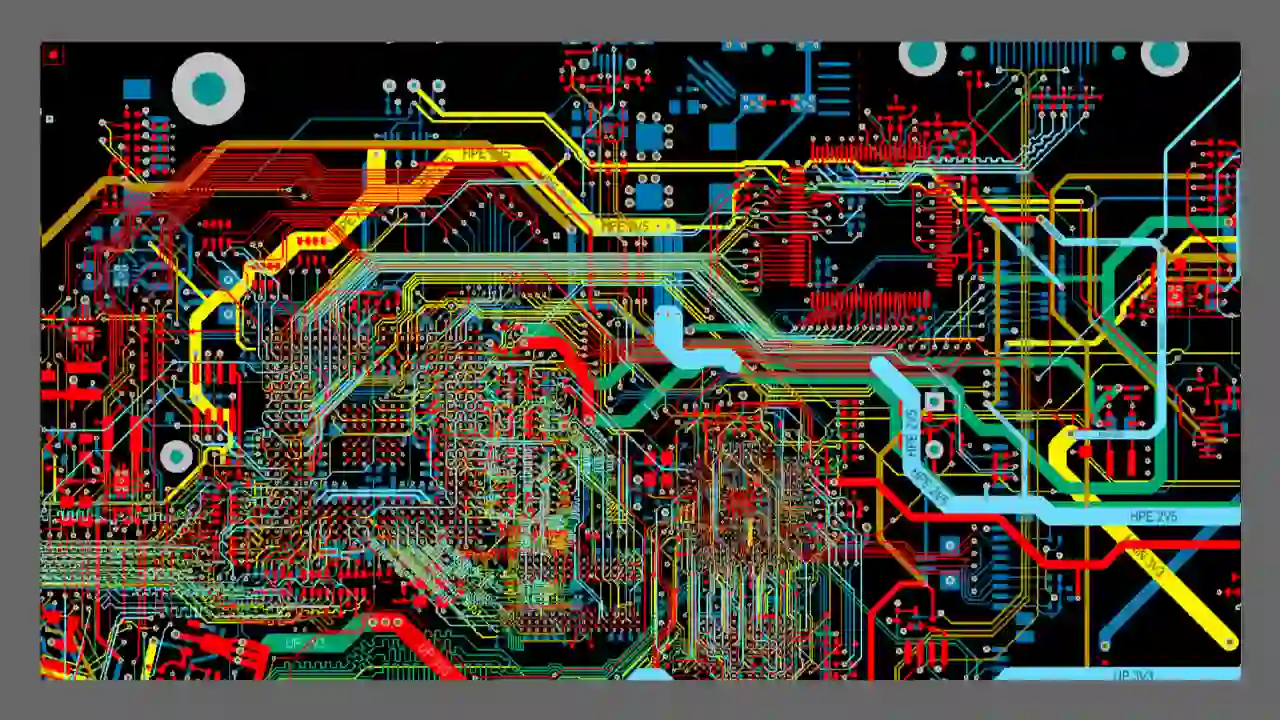
The layout of your PCB plays a big role in both performance and cost. A well-thought-out layout can reduce manufacturing complexity and minimize material waste. Here are some tips for efficient PCB design in water treatment:
- Minimize Board Size: Smaller boards use less material and are cheaper to produce. Aim for a compact design by placing components closely together, but ensure proper spacing to avoid signal interference.
- Use Double-Sided Boards: Instead of opting for multi-layer boards, which are more expensive, try to fit your design on a double-sided PCB. This works well for simpler water control systems with fewer components.
- Reduce Trace Complexity: Keep traces as short and straight as possible to lower the risk of signal loss and reduce manufacturing costs. For instance, aim for trace widths of 0.2 mm for low-current signals to save space.
- Plan for Heat Dissipation: Water treatment systems may involve components like relays or power transistors that generate heat. Place these components near the board’s edge and add thermal vias to prevent overheating without needing costly heat sinks.
3. Focus on PCB Component Selection for Water Systems
Component selection is one of the most critical factors in optimizing PCB costs for water control. Choosing the right parts can drastically reduce expenses while maintaining performance. Here are some strategies to follow:
- Opt for Widely Available Components: Use standard, off-the-shelf components that are easy to source. For example, instead of a niche sensor with a specific interface, choose a commonly used pH sensor with a standard 0-5V analog output.
- Prioritize Cost-Effective Microcontrollers: For basic control tasks in water treatment, a low-cost MCU with sufficient I/O pins (e.g., 10-15 pins for sensor and actuator connections) and a clock speed of around 16 MHz can work well. Avoid over-specifying with high-end processors unless advanced processing is required.
- Select Durable Components: Since water treatment environments can be harsh, choose components with high tolerance to humidity and temperature. Look for resistors and capacitors with operating ranges of -40°C to 85°C and consider conformal coating for added protection.
- Bulk Purchasing: If you’re producing multiple units, buy components in bulk to benefit from volume discounts. This can cut costs by up to 20-30% per unit for items like resistors and LEDs.
- Minimize Active Components: Reduce the number of active components like ICs and transistors by simplifying the circuit design. For instance, use a single op-amp for signal conditioning instead of multiple discrete components.
By focusing on these principles, you can ensure that your component choices align with both performance needs and budget constraints.
4. Incorporate Protection Features Without Breaking the Bank
Water treatment PCBs need protection from environmental factors, but adding these features can increase costs. Here’s how to implement protection affordably:
- Conformal Coating: Apply a thin layer of conformal coating to protect against moisture and dust. This is a low-cost solution compared to fully enclosed designs and can extend the board’s lifespan in humid conditions.
- Overvoltage Protection: Use inexpensive components like TVS diodes to safeguard against voltage spikes. A TVS diode rated for 24V can protect circuits from transients for just a few cents per unit.
- Fuse Integration: Add a resettable fuse to prevent damage from overcurrent. These are cheaper than custom protection circuits and effective for basic systems.
These measures ensure reliability without significantly impacting the overall cost of your PCB.
Strategies for PCB Manufacturing Cost Reduction
Once your design is finalized, the manufacturing process is the next area to focus on for cost savings. Here are some proven strategies to reduce expenses during production:
- Choose Standard Materials: Opt for standard PCB materials like FR-4 with a thickness of 1.6 mm, which are widely available and cost-effective. Avoid specialty materials unless absolutely necessary for environmental resistance.
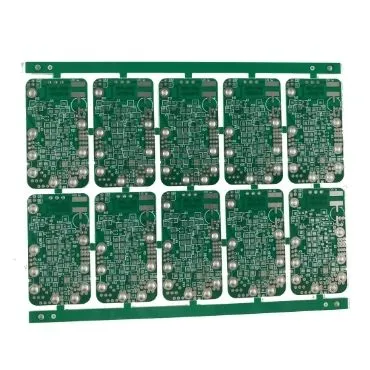
- Panelization: If producing multiple boards, use panelization to fit several PCBs onto a single panel. This reduces material waste and lowers fabrication costs by up to 15% per board.
- Work with a Reliable Manufacturer: Partner with a manufacturer that offers competitive pricing for small to medium production runs. Look for providers with experience in water treatment or industrial control applications to ensure quality.
- Minimize Assembly Complexity: Design your PCB for automated assembly whenever possible. For example, use surface-mount components (SMD) instead of through-hole parts, as SMDs are faster and cheaper to assemble in large quantities.
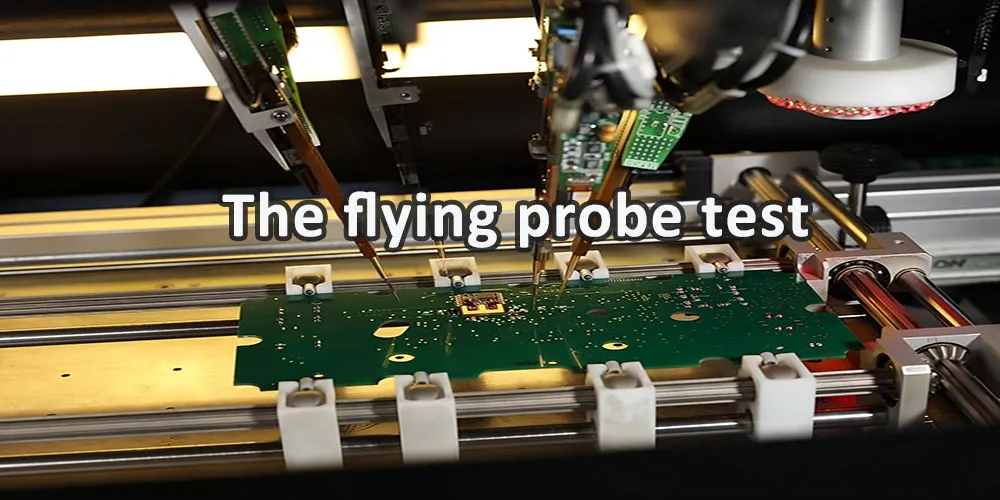
- Test Early and Often: Incorporate test points in your design to simplify quality checks during manufacturing. This reduces the risk of costly rework by catching issues like short circuits or incorrect component placement early.
Testing and Validation for Cost-Effective Designs
After manufacturing, thorough testing ensures that your PCB performs as expected in real-world water treatment conditions. While testing adds to upfront costs, it prevents expensive failures down the line. Here’s how to approach it:
- Simulate Environmental Conditions: Test the PCB under conditions mimicking high humidity (e.g., 85% relative humidity) and temperature swings (e.g., 0°C to 50°C) to verify durability.
- Validate Sensor Accuracy: If your PCB interfaces with sensors, calibrate them to ensure accurate readings. For instance, a turbidity sensor should detect changes within a range of 0-100 NTU with minimal error.
- Stress Test Power Components: Run pumps or valves connected to the PCB at full load for extended periods to check for overheating or failures in power delivery circuits.
By investing time in testing, you can avoid costly redesigns and ensure your low-cost water treatment PCB meets performance standards.
Conclusion: Building Efficient and Affordable Water Treatment PCBs
Designing a cost-effective PCB for water treatment control is a balancing act between performance, durability, and budget. By carefully defining system requirements, optimizing the PCB layout, selecting affordable yet reliable components, and streamlining manufacturing, you can achieve significant cost reductions without compromising quality. Whether you’re working on a small-scale filtration system or a large industrial setup, these strategies for efficient PCB design in water treatment will help you stay within budget while delivering reliable results.
At ALLPCB, we’re committed to supporting engineers and designers in creating innovative, cost-effective solutions for water control systems. With the right approach to PCB component selection for water systems and manufacturing cost reduction, you can bring your water treatment projects to life affordably and efficiently.