ALLPCB


In the fast-paced world of medical technology, CT scanners play a critical role in delivering precise and reliable imaging for diagnostics. At the heart of these sophisticated machines lie printed circuit boards (PCBs) that must meet stringent performance demands. Choosing the right advanced PCB materials is essential for ensuring high performance, signal integrity, and thermal management in CT scanner applications. In this comprehensive guide, we explore the best materials—such as high-frequency laminates, low-loss dielectrics, and high-thermal-conductivity materials—that empower these cutting-edge devices to function at their peak.
Whether you're designing PCBs for medical imaging or looking to optimize performance, this blog will dive into the specific properties and benefits of materials like ceramic substrates, PTFE laminates, polyimide laminates, metal-core PCBs, and composite materials. Let’s uncover how these materials address the unique challenges of CT scanner systems.
Why Advanced PCB Materials Matter in CT Scanner Applications
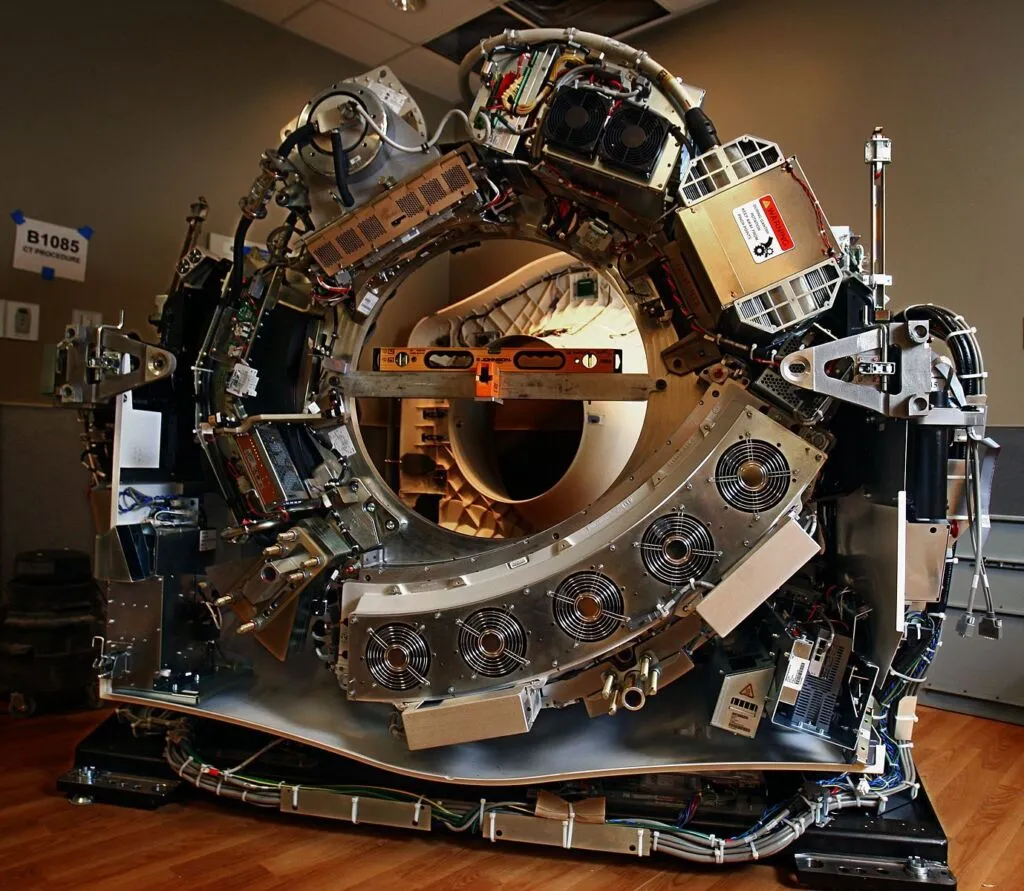
CT scanners rely on high-speed data processing, precise signal transmission, and robust thermal management to produce accurate images. The PCBs within these systems must handle high-frequency signals, minimize signal loss, and dissipate heat effectively to prevent performance degradation. Traditional materials often fall short under these demanding conditions, making advanced PCB materials a necessity.
These materials are engineered to provide specific electrical, thermal, and mechanical properties. For instance, high-frequency laminates ensure signal integrity at gigahertz frequencies, while high-thermal-conductivity materials prevent overheating in compact, power-intensive designs. By selecting the right material, engineers can enhance the reliability and lifespan of CT scanner components.
Key Challenges in CT Scanner PCB Design
Before diving into specific materials, it’s important to understand the challenges that CT scanner PCBs face:
- High-Frequency Signal Integrity: CT scanners process data at high speeds, requiring materials that support frequencies often exceeding 1 GHz with minimal signal distortion.
- Thermal Management: The dense circuitry and high power consumption generate significant heat, which must be dissipated to avoid component failure.
- Miniaturization: Modern CT scanners demand compact designs, necessitating materials that maintain performance in smaller footprints.
- Reliability and Durability: Medical equipment operates under strict reliability standards, requiring materials that resist wear, moisture, and temperature fluctuations.
With these challenges in mind, let’s explore how advanced PCB materials address these needs.
Exploring Advanced PCB Materials for CT Scanners
1. High-Frequency Laminates for Superior Signal Integrity
In CT scanners, data transmission occurs at high frequencies to ensure rapid image processing. High-frequency laminates are specially designed to support these signals with low dielectric constants (Dk) and low dissipation factors (Df). Typically, these materials have a Dk value ranging from 2.2 to 3.5 and a Df below 0.004, minimizing signal loss and maintaining clarity even at frequencies above 5 GHz.
These laminates are ideal for applications where signal integrity is paramount. They reduce crosstalk and electromagnetic interference (EMI), ensuring that the intricate data from X-ray detectors is transmitted without distortion. By using high-frequency laminates, engineers can achieve faster and more accurate imaging results.
2. Low-Loss Dielectrics for Minimal Signal Attenuation
Closely related to high-frequency laminates are low-loss dielectrics, which are critical for reducing signal attenuation in high-speed circuits. These materials have dissipation factors as low as 0.001, ensuring that energy loss is minimized during transmission. This is especially important in CT scanners, where even minor signal degradation can affect image quality.
Low-loss dielectrics are often used in multilayer PCB designs for CT scanners, allowing for efficient routing of high-speed signals across complex layouts. Their ability to maintain performance at high frequencies makes them a go-to choice for advanced medical imaging systems.
3. High-Thermal-Conductivity Materials for Heat Dissipation
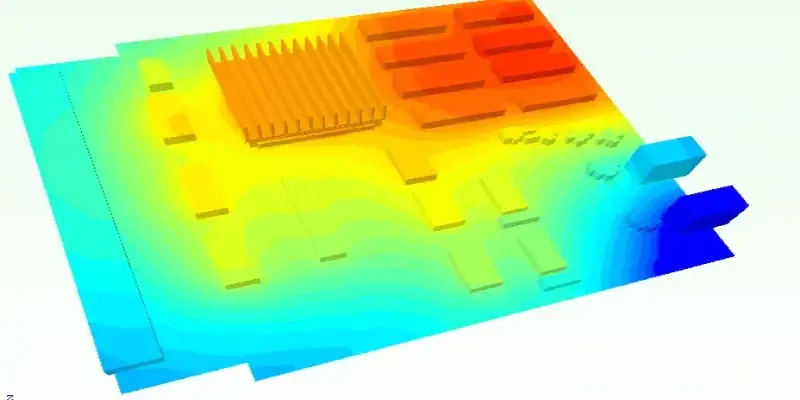
Heat management is a significant concern in CT scanners due to the high power density of their electronics. High-thermal-conductivity materials are designed to transfer heat away from critical components, preventing overheating and ensuring consistent performance. These materials often have thermal conductivity values ranging from 1.0 to 3.0 W/m·K, far surpassing traditional substrates like FR-4, which typically offer only 0.3 W/m·K.
Incorporating these materials into PCB designs helps maintain optimal operating temperatures, extending the lifespan of sensitive components like processors and sensors in CT scanners. They are particularly useful in compact designs where airflow is limited.
4. Ceramic Substrates for Extreme Durability
Ceramic substrates are known for their exceptional thermal and mechanical stability, making them a top choice for harsh environments. With thermal conductivity values often exceeding 20 W/m·K and high resistance to temperature fluctuations, ceramics can withstand the rigorous demands of CT scanner operations.
These substrates also offer excellent electrical insulation, reducing the risk of short circuits in high-voltage areas of the scanner. While they may come at a higher cost, their durability and performance make them ideal for critical applications where failure is not an option.
5. PTFE Laminates for High-Frequency and Low-Loss Performance
PTFE laminates, made from polytetrafluoroethylene, are widely used in high-frequency applications due to their low dielectric constant (around 2.1) and minimal signal loss. These properties make them perfect for CT scanner PCBs that require precise signal transmission over long distances.
Additionally, PTFE laminates are resistant to moisture and chemicals, ensuring reliability in the humid or sterile environments often found in medical settings. Their flexibility also allows for use in complex, multilayer designs without sacrificing performance.
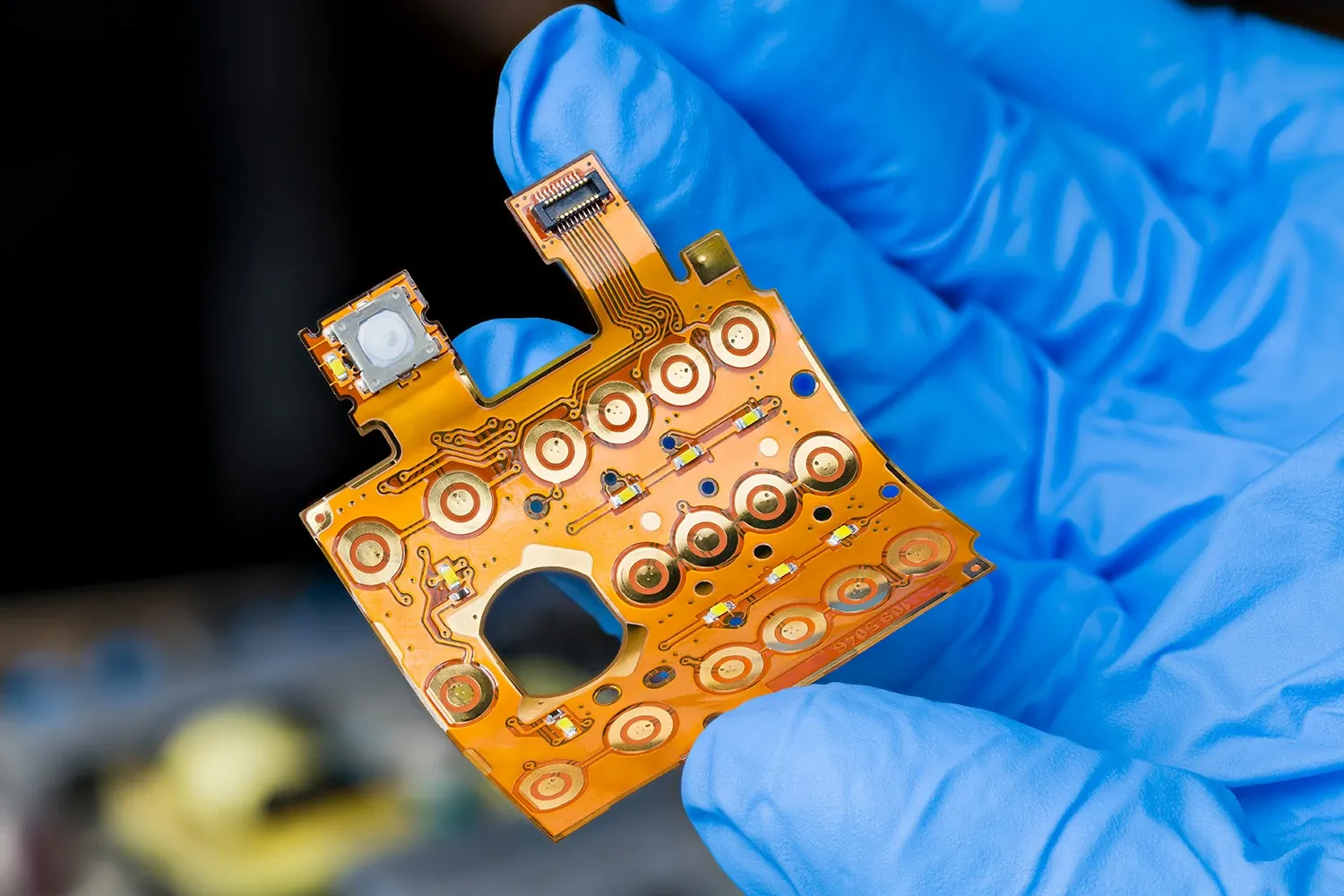
6. Polyimide Laminates for Flexibility and Heat Resistance
Polyimide laminates are valued for their ability to withstand extreme temperatures, often up to 260°C, without degrading. This makes them suitable for CT scanner components that experience significant thermal stress. They also offer excellent flexibility, which is beneficial for designs requiring bending or tight spacing.
In medical imaging systems, polyimide laminates are often used in flexible PCBs that connect various modules within the scanner. Their combination of heat resistance and mechanical strength ensures long-term reliability under challenging conditions.
7. Metal-Core PCBs for Enhanced Thermal Management
Metal-core PCBs feature a metal base layer, often aluminum or copper, that acts as a heat sink to dissipate thermal energy. With thermal conductivity values ranging from 1.0 to 4.0 W/m·K, these PCBs are excellent for managing heat in high-power CT scanner circuits.
The metal core provides structural rigidity while efficiently drawing heat away from sensitive components. This is particularly useful in the power supply and detector circuits of CT scanners, where heat buildup can compromise performance.
8. Composite Materials for Balanced Performance
Composite materials combine different substrates to achieve a balance of electrical, thermal, and mechanical properties. For example, a composite PCB might pair a high-frequency laminate with a thermally conductive layer to address both signal integrity and heat dissipation needs.
In CT scanner applications, composite materials allow engineers to customize PCB performance for specific requirements, such as reducing weight while maintaining strength or optimizing cost without sacrificing quality. These materials are often used in hybrid designs that integrate multiple functionalities into a single board.
Selecting the Right Material for Your CT Scanner PCB
Choosing the best advanced PCB materials depends on the specific needs of your CT scanner design. Here are some key factors to consider:
- Frequency Requirements: For high-speed data transmission, prioritize high-frequency laminates and low-loss dielectrics with low Dk and Df values.
- Thermal Demands: In high-power or compact designs, opt for high-thermal-conductivity materials, metal-core PCBs, or ceramic substrates.
- Environmental Conditions: For humid or high-temperature settings, materials like PTFE laminates and polyimide laminates offer superior resistance.
- Cost vs. Performance: Balance budget constraints with performance needs by exploring composite materials that combine multiple benefits.
By carefully evaluating these factors, you can select a material that enhances the efficiency and reliability of your CT scanner system.
Benefits of Using Advanced PCB Materials in Medical Imaging
Integrating advanced PCB materials into CT scanner designs offers several advantages:
- Improved Image Quality: Materials like high-frequency laminates and low-loss dielectrics ensure accurate data transmission, leading to clearer images.
- Enhanced Durability: Options such as ceramic substrates and polyimide laminates withstand harsh conditions, reducing maintenance needs.
- Better Thermal Management: High-thermal-conductivity materials and metal-core PCBs prevent overheating, protecting critical components.
- Compact Designs: Advanced materials support miniaturization without compromising performance, enabling sleeker, more portable scanners.
Future Trends in PCB Materials for Medical Applications
As medical technology evolves, so do the materials used in PCB manufacturing. Emerging trends include the development of eco-friendly substrates that reduce environmental impact without sacrificing performance. Additionally, advancements in nanotechnology are leading to materials with even lower dielectric losses and higher thermal conductivity, promising further improvements in CT scanner efficiency.
Another area of innovation is the integration of smart materials that can adapt to changing conditions, such as temperature or humidity, to maintain optimal performance. Staying ahead of these trends ensures that your designs remain competitive in the rapidly advancing field of medical imaging.
Conclusion: Elevating CT Scanner Performance with Advanced PCB Materials
The success of CT scanners hinges on the quality and performance of their internal components, particularly the PCBs that drive their functionality. By leveraging advanced PCB materials like high-frequency laminates, low-loss dielectrics, high-thermal-conductivity materials, ceramic substrates, PTFE laminates, polyimide laminates, metal-core PCBs, and composite materials, engineers can overcome the challenges of high-speed data, thermal stress, and compact designs.
Selecting the right material is a critical step in ensuring reliable, high-quality imaging that meets the stringent demands of medical diagnostics. With the insights provided in this guide, you’re equipped to make informed decisions that enhance the performance and durability of your CT scanner systems.