ALLPCB


In the world of automotive electronics, every detail in PCB design matters. One critical factor that often gets overlooked is the core thickness of a printed circuit board (PCB). So, what is the ideal core thickness for automotive PCB electronics, and why does it matter? Simply put, core thickness impacts durability, thermal management, and signal integrity, which are vital for the harsh conditions of automotive applications. Standard core thicknesses often range from 0.2 mm to 1.6 mm, depending on the design needs, but advanced automotive systems may require custom thicknesses to handle high power and reliability demands.
In this blog, we’ll dive deep into the role of core thickness in automotive PCB design, exploring how it affects performance, the factors to consider when choosing the right thickness, and best practices for electrical engineering in this field. Whether you’re designing for electric vehicles or advanced driver-assistance systems (ADAS), understanding core thickness is key to creating robust and efficient electronics.
Why Core Thickness Matters in Automotive PCB Design
Automotive electronics operate in extreme environments. From temperature swings to vibrations and high-voltage demands, PCBs in vehicles must be tough and reliable. Core thickness—the measurement of the insulating material between copper layers in a PCB—plays a huge role in meeting these challenges. A thicker core can provide better mechanical strength and heat dissipation, while a thinner core might be ideal for compact designs or high-frequency signals.
For example, in electric vehicles, power management systems often deal with currents exceeding 100 amps. A thicker core, such as 1.6 mm or more, can help handle this load by reducing thermal stress and preventing warping. On the other hand, infotainment systems with high-speed data signals might benefit from a thinner core, like 0.4 mm, to minimize signal loss and maintain integrity.
Key Factors Influencing Core Thickness in Automotive Electronics
Choosing the right core thickness isn’t a one-size-fits-all decision. Several factors come into play, especially in the demanding field of automotive electronics. Let’s break down the most important considerations for electrical engineering professionals.
1. Thermal Management Needs
Vehicles often face temperature extremes, from freezing winters to scorching summers. Automotive PCBs must dissipate heat effectively to prevent component failure. A thicker core can act as a better heat sink, absorbing and spreading heat away from sensitive components. For instance, in a battery management system, a core thickness of 1.2 mm to 1.6 mm can help manage heat from high-power circuits, ensuring stable operation.
2. Mechanical Strength and Durability
Road vibrations and physical shocks are common in automotive environments. A PCB with a thicker core offers more structural integrity, reducing the risk of cracking or delamination. Heavy-duty applications, like engine control units, often use cores of 1.6 mm or thicker to withstand constant stress over years of use.
3. Signal Integrity for High-Frequency Applications
Modern vehicles rely on high-speed data for systems like radar and ADAS. Thinner cores reduce the distance between layers, which can improve signal integrity by minimizing impedance mismatches. For high-frequency designs, cores as thin as 0.2 mm to 0.5 mm are often preferred to maintain signal speeds above 1 GHz without significant loss.
4. Space Constraints and Weight
Automotive designs often face strict space and weight limits. Thinner cores allow for more compact PCBs, which is critical in areas like dashboard electronics where space is tight. However, going too thin—below 0.2 mm—can compromise strength, so a balance must be struck based on the specific application.
Standard vs. Advanced Core Thickness: What’s the Difference?
Standard PCB core thicknesses, like 0.8 mm or 1.6 mm, are widely used across industries because they offer a good balance of cost, manufacturability, and performance. However, automotive electronics often push beyond these norms due to unique requirements.
Advanced core thicknesses are customized to meet specific needs. For example, hybrid and electric vehicles may use ultra-thick cores—up to 2.0 mm or more—for power distribution boards to handle high currents safely. Conversely, advanced communication systems in autonomous vehicles might use ultra-thin cores of 0.1 mm to 0.3 mm to support densely packed, high-speed circuits.
The choice of material also ties into core thickness. FR-4, a common PCB substrate, works well for standard thicknesses but may not suffice for advanced automotive designs. High-performance materials like polyimide or metal-core substrates are often paired with custom thicknesses to enhance thermal conductivity or flexibility.
How to Choose the Right Core Thickness for Your Automotive PCB
Selecting the ideal core thickness for an automotive PCB involves balancing multiple factors. Here’s a step-by-step guide to help electrical engineers make informed decisions during the design process.
Step 1: Define the Application Requirements
Start by identifying the role of the PCB in the vehicle. Is it for power management, requiring high current capacity? Or is it for a sensor system needing high-speed signal transmission? For power-heavy applications, aim for thicker cores (1.2 mm to 2.0 mm). For signal-sensitive designs, consider thinner cores (0.2 mm to 0.5 mm).
Step 2: Evaluate Environmental Conditions
Consider the operating environment. Will the PCB face extreme heat, cold, or vibrations? Thicker cores provide better durability and heat dissipation, making them suitable for under-hood applications. Thinner cores might work for interior electronics where conditions are milder.
Step 3: Assess Electrical Performance Needs
Calculate the current and voltage requirements. High-power systems need thicker cores to handle larger copper traces with minimal resistance. For high-frequency signals, thinner cores reduce dielectric losses, maintaining impedance values typically around 50 ohms for optimal performance.
Step 4: Factor in Manufacturing Capabilities
Ensure the chosen core thickness aligns with manufacturing capabilities. Extremely thin or thick cores may require specialized processes, increasing costs. Standard thicknesses like 0.8 mm or 1.6 mm are often more cost-effective and widely supported.
Best Practices for Designing Automotive PCBs with Optimal Core Thickness
Beyond selecting the right core thickness, following best practices in PCB design ensures reliability and performance in automotive electronics. Here are some key tips for electrical engineers.
1. Prioritize Thermal Design
Use thermal simulation tools during the design phase to predict heat distribution across the PCB. Pair thicker cores with thermal vias or heat sinks in high-power areas to prevent overheating. For instance, maintaining a junction temperature below 125°C is often a target for automotive components.
2. Optimize Layer Stackup
Core thickness affects the overall layer stackup. In multilayer PCBs, ensure the core and prepreg layers are balanced to avoid warping. A symmetrical stackup with a core thickness of 1.0 mm in the center can provide stability for a 6-layer board used in engine control units.
3. Test for Reliability
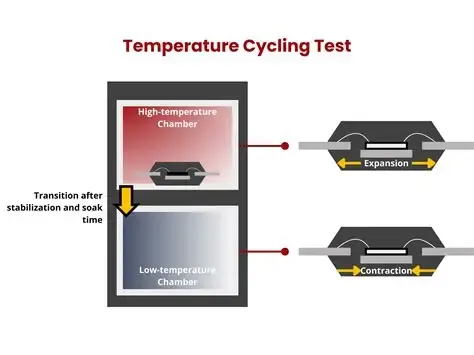
Automotive PCBs must meet strict standards like AEC-Q100 for reliability. Conduct environmental stress tests, including thermal cycling and vibration testing, to ensure the chosen core thickness withstands real-world conditions over a lifespan of 10-15 years.
4. Collaborate with Manufacturers Early
Work closely with your PCB fabrication team to confirm that your core thickness and material choices are feasible. Early collaboration can prevent costly redesigns and ensure the board meets automotive-grade quality standards.
Challenges and Solutions in Using Advanced Core Thickness
While advanced core thicknesses offer tailored solutions for automotive electronics, they come with challenges. Let’s explore common issues and how to address them.
Challenge 1: Cost of Non-Standard Thicknesses
Custom core thicknesses, like 0.3 mm or 2.0 mm, often cost more due to specialized manufacturing processes. To mitigate this, evaluate whether a slightly adjusted standard thickness can meet your needs without significant performance loss.
Challenge 2: Signal Integrity with Thin Cores
Ultra-thin cores can lead to crosstalk or impedance issues in high-speed designs. Use controlled impedance routing and high-quality dielectric materials to maintain signal integrity, targeting a characteristic impedance of 50 ohms for most automotive communication protocols.
Challenge 3: Durability with Thick Cores
Thicker cores can make a PCB more rigid, increasing the risk of cracking under vibration. Reinforce the design with proper mounting techniques and consider flexible substrates in areas prone to stress.
The Future of Core Thickness in Automotive PCB Design
As automotive technology evolves, so do the demands on PCB design. Electric and autonomous vehicles are driving the need for even more advanced core thicknesses. For instance, the rise of 48V systems in mild-hybrid vehicles requires thicker cores to manage higher power levels safely. Meanwhile, 5G connectivity for vehicle-to-everything (V2X) communication pushes for thinner cores to support ultra-fast data rates exceeding 10 Gbps.
Innovations in materials are also shaping the future. Metal-core PCBs, often with customized thicknesses, are becoming popular for their superior heat dissipation in high-power applications. Similarly, flexible and rigid-flex designs are pairing unique core thicknesses with lightweight materials to fit into unconventional spaces in modern vehicles.
Conclusion: Mastering Core Thickness for Automotive Excellence
Core thickness is a cornerstone of effective PCB design for automotive electronics. Whether you’re tackling thermal challenges, ensuring signal integrity, or meeting durability standards, the right core thickness can make or break your design. By understanding the unique needs of your application—be it power management in electric vehicles or high-speed data in autonomous systems—you can select a core thickness that delivers optimal performance.
From standard options like 1.6 mm to advanced custom thicknesses, the choices are vast but must be guided by careful analysis and testing. Follow the best practices outlined here, collaborate with manufacturing experts, and stay ahead of emerging trends to create automotive PCBs that are reliable, efficient, and future-ready. With the right approach, core thickness becomes a powerful tool in your electrical engineering toolkit.