ALLPCB


Overview
Iris recognition is a biometric technology with high accuracy and strong security properties. However, several factors limit its broad adoption in commercial and consumer applications.
Challenges to Adoption
- High cost: Iris recognition systems are generally more expensive than other biometric solutions. Costs include specialized sensors, system deployment, and ongoing maintenance, which hinder large-scale rollout.
- Device dependence: Iris recognition requires dedicated hardware to capture and analyze iris patterns. The need for users to interact with specific scanners reduces convenience and slows adoption.
- User acceptance: Some users are reluctant to adopt iris scanning due to privacy concerns or discomfort with biometric data collection.
- Legal and privacy constraints: Collecting and processing biometric identifiers involves strict regulatory and privacy requirements. Compliance increases complexity for implementers.
- Environmental and physiological limits: Performance can degrade in low light, when the eye is partially occluded, or when the eye is injured. These conditions reduce the reliability of iris systems in uncontrolled environments.
Iris Recognition vs Face Recognition
Both iris recognition and face recognition are common biometric methods, each suitable for different use cases.
Advantages of Iris Recognition
- High accuracy: Iris patterns are highly distinctive and stable, which yields strong identification accuracy.
- Resistance to spoofing: Iris features are internal to the eye and are difficult to replicate, providing robust anti-spoofing characteristics.
- Robustness in some conditions: Iris systems can maintain high stability under certain challenging conditions.
Advantages of Face Recognition
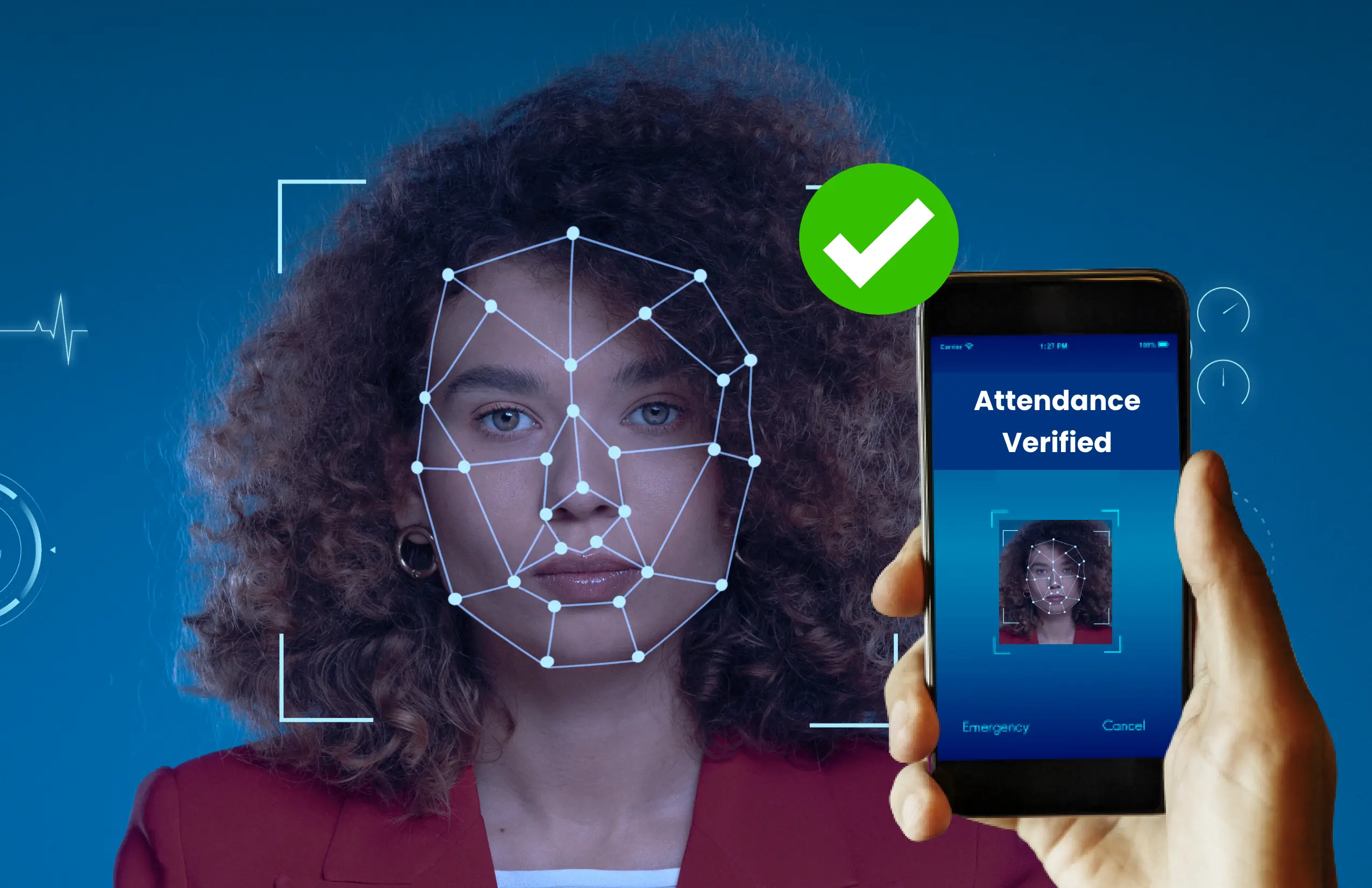
- Convenience: Face recognition can be performed with common devices such as smartphones and cameras, requiring no special user actions.
- Scalability: Face images are easy to acquire, enabling wide deployment in crowd or surveillance scenarios.
- Cross-scene adaptability: Modern face recognition techniques can tolerate variations in lighting, angle, and expression to a useful extent.
Conclusion
Iris recognition offers superior accuracy and anti-spoofing for high-security scenarios, while face recognition provides greater convenience and scalability. The choice between them should be driven by the specific requirements of the application, including security level, user experience, cost, and regulatory constraints. As sensor technology advances and costs decline, iris recognition may see wider use in niche and high-assurance deployments.