ALLPCB


Overview
Virtual reality, abbreviated VR and also called immersive technology, applies digital processing to images and integrates graphics, multimedia, networks, artificial intelligence, sensors, and high-resolution displays to merge the five senses into an information-integrated system that creates a realistic virtual three-dimensional space.
Devices and Interaction
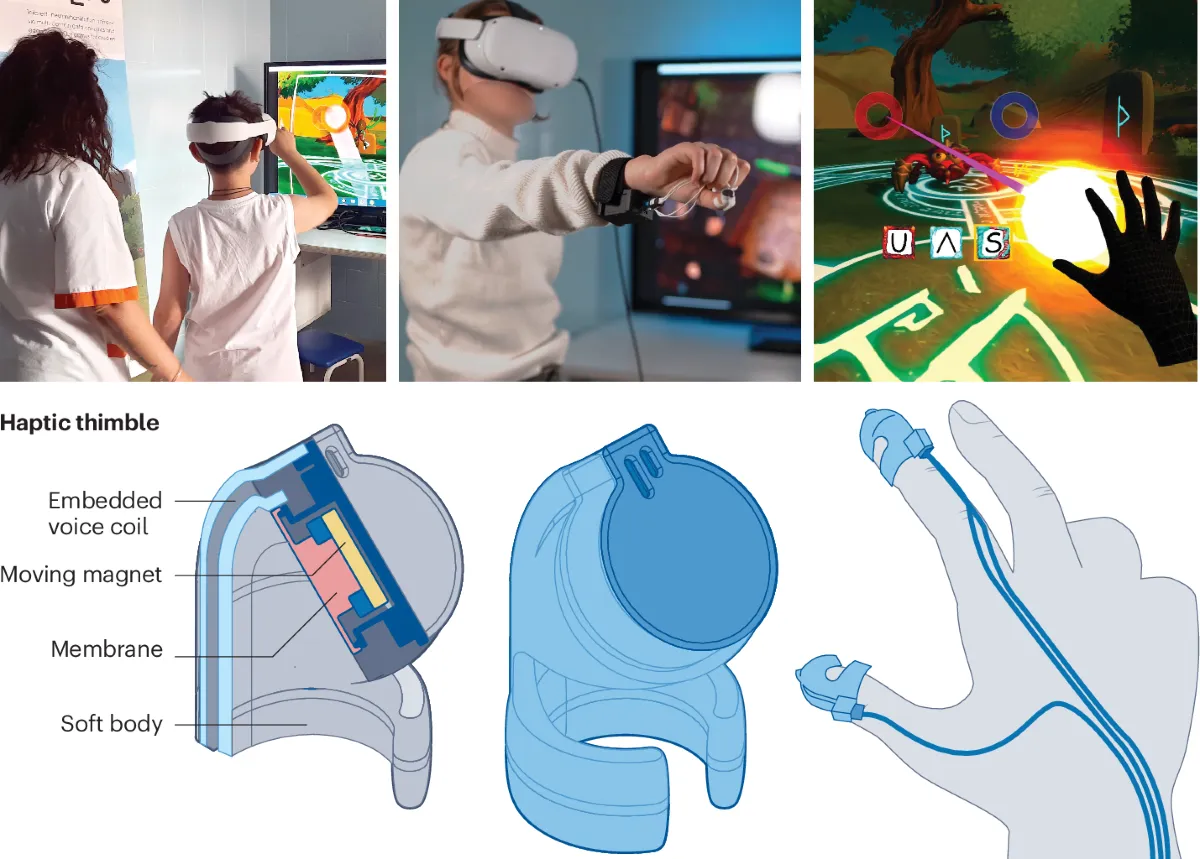
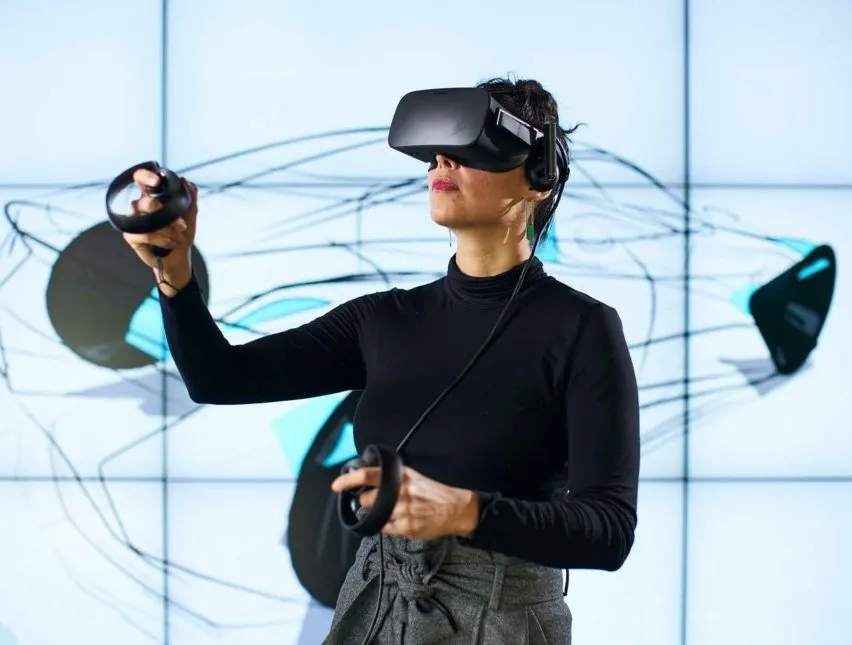
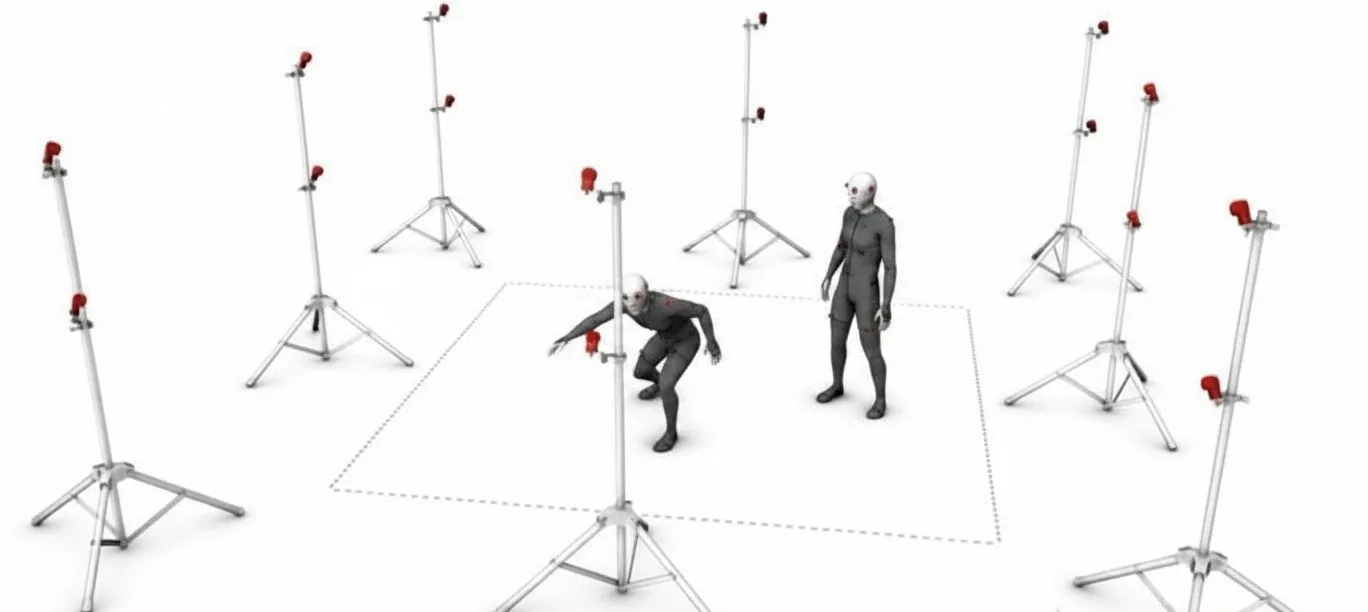
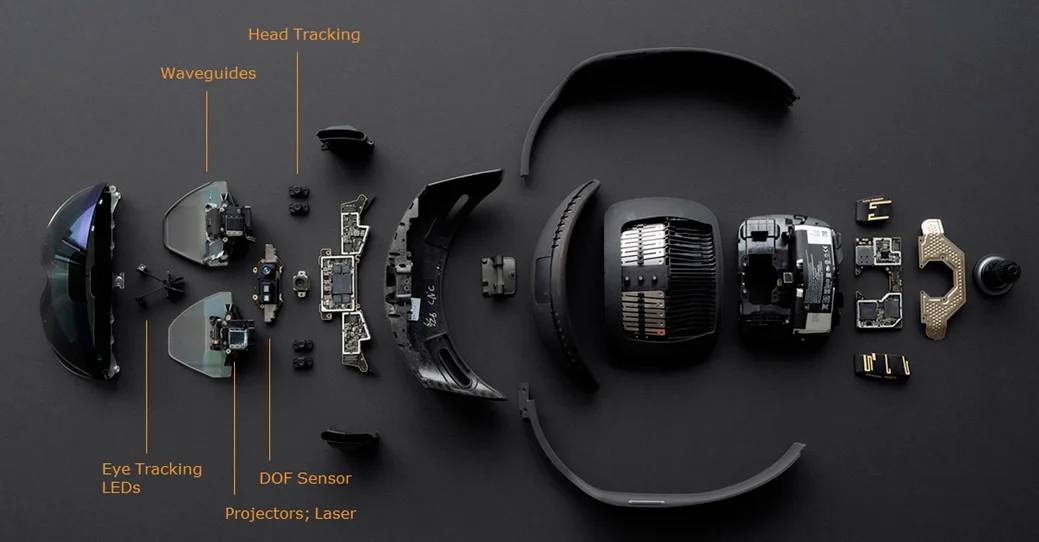
To perceive realistic aspects of a virtual environment, users rely on auxiliary devices such as head-mounted displays, tracking gloves, and wearable data suits. These devices enable users to sense other objects. Interaction in virtual environments supports human-machine interaction under a wide range of conditions. By providing realistic sensory stimulation to the cerebral cortex, participants can experience visuals that closely resemble reality. Input devices such as keyboards and gloves allow physical interactions that receive realistic responses. Virtual reality systems compute how various data interact in different contexts; the computed results form the system's aggregated data. With network technology, virtual reality scenes can support multi-user shared interactive environments.
History
In 1838, designers began studying the stereoscope based on binocular parallax. The stereoscope could convert planar visual information into a stereoscopic effect, giving participants a sense of three-dimensional space and immersion. That research approach is still applied in contemporary virtual reality hardware. Virtual reality environments can combine realistic scenes with sci-fi, horror, and roaming elements to create different participant experiences.
Key Characteristics
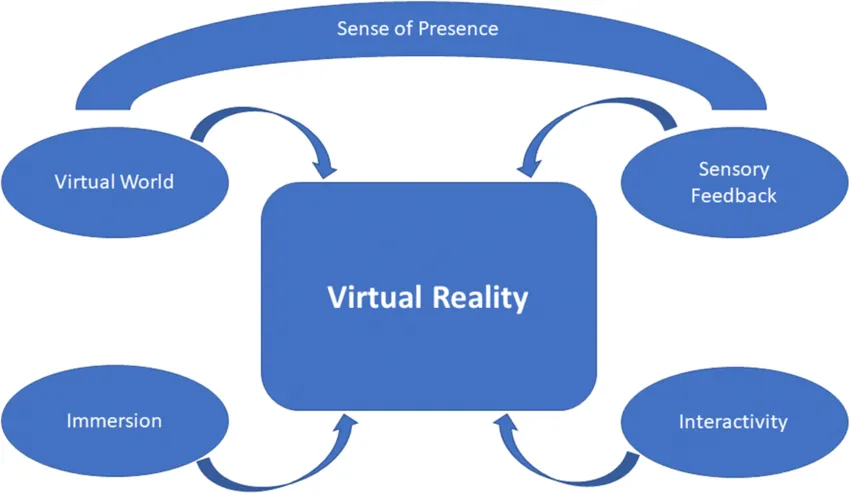
Virtual reality is a forward-looking technology that has generated significant demand across industries, driving an information-driven transformation. The technology is characterized by perceptual presence, interactivity, and temporal persistence. In 1993, at the World Electronics Exposition, scientists Burdea G. and Philippe Coiffet, in "Virtual Reality Systems and Applications," identified three prominent features of VR: immersion, interaction, and imagination, forming a conceptual triangle that distinguishes VR from other technologies.
Additional properties, such as actionability and autonomy, have emerged from interactivity. Actionability often relates to interactivity: users operate virtual systems using real-world actions and receive feedback from scenes and environments. Autonomy refers to the virtual space's ability to realistically represent the physical properties of objects from the real world.
Role and Applications
Actionability and autonomy both depend on users and objects in the scene. Whether a single motion or multiple interacting dynamics, these behaviors rely on interactivity, since both features derive from interactive relationships. Virtual reality is not simply a technical expression; it plays a role in military and economic activities.
As sensations become more realistic, the application scope of virtual reality has expanded. VR has evolved from primarily visual experiences to unified multi-sensory experiences. The artistic variability of virtual space enables combined technical and artistic expression, producing subtler participant perceptions, particularly in psychological aspects. The controllability and diversity of virtual environments change how people perceive the digital world and can alter established cognitive models.
Cross-disciplinary integration of science and technology has produced advantages in education, military, industry, healthcare, urban simulation, and scientific visualization. Although application domains differ, virtual reality reduces development obstacles and contributes to broader technological progress.