ALLPCB


Overview
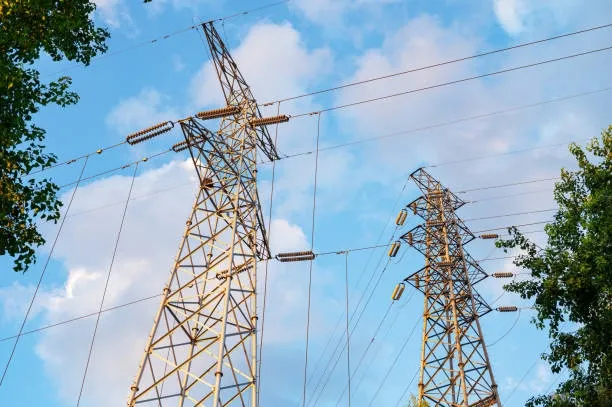
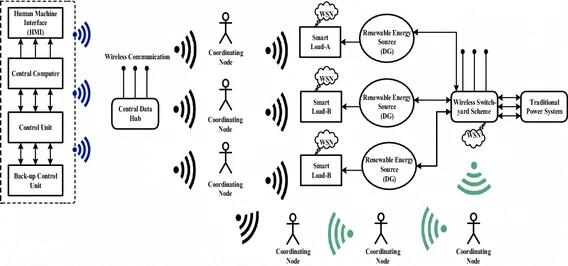
A distributed smart grid is a fine-grained energy supply and management system. It uses modern information and communication technologies to deliver renewable energy from multiple small generation units to consumer loads and to optimize the scheduling of the power system to improve energy use efficiency. Its physical aspects include the following items.
Key physical aspects
-
Multi-source power supply: Distributed smart grids consist of many small, heterogeneous generation units, including solar, wind, biomass, and micro-hydro. These units provide more flexible power delivery and reduce dependence on centralized generation.
-
Diverse load demands: Distributed smart grids can accommodate a wide range of consumption types, including residential, agricultural, commercial, and industrial loads. They enable tailored configurations and services for different requirements, such as energy storage.
-
Flexible power transmission and interaction: By using advanced communication technologies and algorithms, the grid can implement personalized load control and distributed strategies, and dynamically adjust power transmission and interactions to balance supply and demand.
-
Energy integration and optimization: Techniques such as energy digital twins support integrated optimization. The power system can be treated as a whole, with real-time monitoring of interactions and control measures to prevent anomalies.
-
Intelligent optimal control: Advanced control algorithms, such as model predictive control and reinforcement learning, are used to address supply-demand imbalances, improving grid efficiency and stability while reducing energy waste.
-
Sharing-economy models: Distributed smart grids can support sharing-economy models, for example energy trading. Compared with traditional grids, they enable resource sharing and greater liquidity, improving fairness and efficiency in energy allocation.
-
Security and stability: Distributed smart grids can detect, analyze, and respond to system issues autonomously, maintaining dynamic balance and applying mitigation measures to ensure secure and stable operation.
Summary
Distributed smart grids integrate multiple generation sources and load types with advanced technologies and algorithms to achieve coordinated, optimized, and intelligent power supply and management. Compared with traditional grids, they offer greater flexibility, efficiency, and sustainability, and support digital and sharing-economy operation modes, making them relevant for wider adoption in modern power systems.