ALLPCB


Introduction
In the fast-evolving world of consumer electronics, multi-layer PCB design has become a cornerstone for enabling compact, high-performance devices. From smartphones to wearable gadgets, the demand for smaller footprints with enhanced functionality drives the adoption of high-density PCB solutions. These intricate boards, featuring multiple layers of conductive traces separated by insulating materials, allow engineers to pack more components into limited spaces while maintaining signal integrity. For electrical engineers, understanding multi-layer PCB applications is essential to innovate and meet market expectations. This article explores the principles behind multi-layer PCBs, their critical role in consumer electronics, and best practices for design and implementation. By delving into technical aspects and practical insights, we aim to provide a comprehensive guide for professionals seeking to leverage these advanced boards in their projects.
What Are Multi-Layer PCBs and Why Do They Matter
Multi-layer PCBs consist of multiple layers of conductive copper traces, typically ranging from four to over twenty, interleaved with insulating substrates. Unlike single or double-layer boards, these structures enable higher circuit density, making them ideal for complex consumer electronics PCB applications. They matter because modern devices require intricate interconnections to support features like high-speed data transfer, wireless connectivity, and power efficiency. By stacking layers, engineers can route signals and power through internal planes, reducing electromagnetic interference and improving performance. In consumer electronics, multi-layer PCBs are indispensable for creating compact products without sacrificing functionality. Their ability to handle high-density layouts addresses the industry's push for miniaturization while meeting stringent reliability standards. For electrical engineers, mastering multi-layer PCB design translates to designing cutting-edge devices that align with user demands and technological trends.
Technical Principles of Multi-Layer PCB Design
Multi-layer PCB design operates on fundamental principles that ensure functionality and reliability in high-density environments. At the core, these boards use alternating layers of conductive and insulating materials, bonded under heat and pressure, to form a unified structure. The conductive layers carry signals or power, while insulating layers prevent short circuits. A key principle is the use of vias, tiny drilled holes plated with conductive material, to connect different layers vertically. Blind and buried vias further optimize space in high-density PCB layouts by limiting via visibility to specific layers.
Signal integrity is another critical aspect. Engineers must manage impedance by carefully selecting materials and controlling trace widths to avoid signal degradation. Power distribution networks often utilize dedicated internal layers to minimize noise and ensure stable voltage delivery. Ground planes, typically placed adjacent to signal layers, reduce electromagnetic interference, a common challenge in consumer electronics PCB designs.
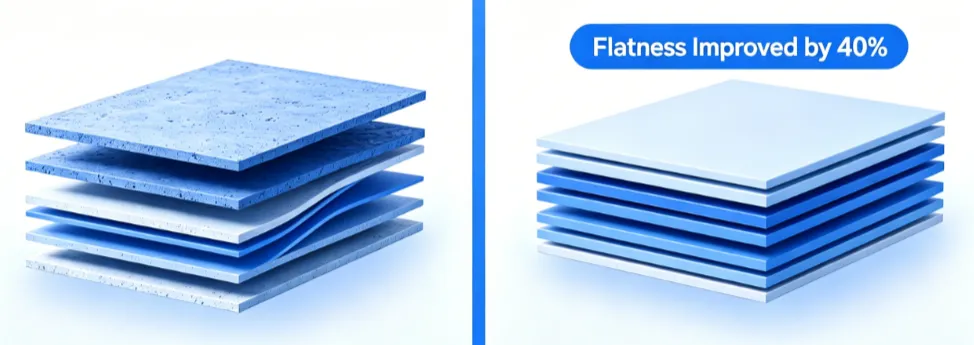
Layer stacking also demands attention. A balanced stack-up prevents warping during manufacturing and maintains structural integrity. Standards like IPC-2221B, which provides guidelines for printed board design, emphasize symmetrical layer arrangements and proper material selection to achieve this balance. Thermal management is equally important, as densely packed components generate heat that must be dissipated through strategic layer placement and via design. Understanding these principles allows engineers to create multi-layer PCB applications that perform reliably under demanding conditions.
Applications of Multi-Layer PCBs in Consumer Electronics
Multi-layer PCB applications dominate consumer electronics due to their ability to support complex circuitry in compact forms. Smartphones, for instance, rely on these boards to integrate processors, memory, sensors, and communication modules within a slim profile. High-density PCB configurations enable the tight packing of components, ensuring seamless operation of features like 5G connectivity and high-resolution displays. Tablets and laptops similarly benefit, using multi-layer designs to manage power distribution and high-speed data signals across multiple subsystems.
Wearable devices, such as smartwatches and fitness trackers, showcase another vital application. These products demand minimal space while incorporating batteries, displays, and wireless capabilities. Multi-layer PCBs provide the necessary routing density to achieve this integration without compromising performance. Gaming consoles also utilize these boards to handle intensive graphics processing and rapid data transfer, leveraging internal layers for efficient signal management.
Beyond individual devices, multi-layer PCBs enable the Internet of Things ecosystem by supporting interconnected smart home products. From voice assistants to security cameras, these boards facilitate reliable communication and power handling in constrained spaces. For electrical engineers, recognizing the versatility of multi-layer PCB design in consumer electronics opens opportunities to innovate across diverse product categories, ensuring devices meet both technical and user requirements.
Best Practices for Designing Multi-Layer PCBs
Designing multi-layer PCBs for consumer electronics requires adherence to best practices to ensure functionality and manufacturability. Start with a well-defined stack-up plan. Allocate specific layers for power, ground, and signal routing to minimize interference. Following guidelines from IPC-2221B, maintain symmetry in the stack-up to avoid mechanical stress during fabrication. Place high-speed signals on inner layers adjacent to ground planes to control impedance and reduce noise.
Material selection is crucial in multi-layer PCB design. Choose dielectric materials with consistent electrical properties to maintain signal integrity across layers. Pay attention to thermal expansion coefficients to prevent delamination under temperature changes. Vias should be strategically placed to optimize routing while avoiding overcrowding, which can lead to manufacturing defects. Blind and buried vias, though costlier, save space in high-density PCB layouts and should be considered for compact designs.
Thermal management cannot be overlooked. Incorporate thermal vias near heat-generating components to transfer heat to outer layers or dedicated heat sinks. Simulate power distribution to identify potential voltage drops or current bottlenecks. Finally, perform thorough design rule checks based on standards like IPC-A-600K to catch issues before prototyping. These practices help engineers create reliable consumer electronics PCB designs that perform consistently in real-world applications.
Challenges in Multi-Layer PCB Design and Solutions
Designing multi-layer PCBs presents several challenges, particularly for consumer electronics where space and performance constraints are stringent. One major issue is signal crosstalk, where closely routed traces interfere with each other. To address this, maintain adequate spacing between traces and use ground planes to shield sensitive signals, adhering to guidelines in IPC-2221B for trace separation.
Manufacturing complexity is another hurdle. As layer count increases, so does the risk of defects like misalignment or incomplete via plating. Collaborate with fabrication teams early to ensure design files meet tolerances specified in standards like IPC-6012E, which governs rigid board performance. Use design for manufacturability principles to simplify layer transitions and via structures, reducing error likelihood.
Thermal stress during operation or assembly can cause warping or delamination. Select materials with matched thermal properties and incorporate stress-relief features like balanced copper distribution across layers. Testing prototypes under conditions outlined in IPC-A-600K helps identify potential failures before mass production. By anticipating these challenges and applying standardized solutions, engineers can enhance the reliability of multi-layer PCB applications in demanding consumer electronics environments.
Insight: Optimizing High-Density PCB Layouts for Future Devices
As consumer electronics evolve, the push for even smaller, more powerful devices intensifies the need for optimized high-density PCB layouts. Electrical engineers must anticipate future requirements, such as higher data rates and increased component integration. One approach is adopting advanced via technologies, like microvias, which allow finer connections in multi-layer PCB design without consuming excessive space. These are particularly useful in next-generation smartphones and wearables where every millimeter counts.
Another focus area is embedding passive components within PCB layers. This technique reduces surface clutter and shortens signal paths, boosting performance in consumer electronics PCB applications. However, it requires precise manufacturing capabilities and strict adherence to standards like IPC-6012E to ensure reliability. Simulation tools also play a vital role, enabling engineers to model signal behavior and thermal profiles before physical prototyping. Staying ahead of trends by refining high-density PCB strategies ensures designs remain competitive and adaptable to emerging technologies.
Conclusion
Multi-layer PCBs stand as a pivotal technology in advancing consumer electronics, enabling the compact, feature-rich devices that define modern life. Their ability to support high-density layouts through intricate layer structures and precise design principles addresses the industry's need for miniaturization and performance. By understanding the technical foundations, applications, and best practices of multi-layer PCB design, electrical engineers can overcome challenges like signal interference and thermal stress. Applying standards such as IPC-2221B and IPC-6012E ensures reliability and manufacturability in high-density PCB projects. As consumer demands grow, optimizing these designs for future innovations remains a critical skill. This guide serves as a foundation for professionals aiming to harness multi-layer PCB applications in creating cutting-edge electronics that meet both technical and market expectations.
FAQs
Q1: What are the key benefits of multi-layer PCB design in consumer electronics?
A1: Multi-layer PCB design offers compact layouts, allowing more components in smaller spaces, crucial for devices like smartphones. They improve signal integrity with dedicated ground planes and reduce electromagnetic interference. Their high-density structure supports advanced features, ensuring consumer electronics perform reliably under demanding conditions while meeting miniaturization trends.
Q2: How do high-density PCB layouts impact device performance?
A2: High-density PCB layouts enhance device performance by enabling tighter component placement and shorter signal paths, reducing latency. They support complex circuitry in consumer electronics, facilitating faster data transfer and power efficiency. Proper design minimizes noise and crosstalk, ensuring stable operation even in compact, feature-packed devices.
Q3: What standards guide multi-layer PCB applications for reliability?
A3: Standards like IPC-6012E and IPC-A-600K are vital for multi-layer PCB applications. IPC-6012E outlines performance specifications for rigid boards, ensuring structural integrity. IPC-A-600K defines acceptability criteria, helping engineers identify defects early. Following these ensures reliability in consumer electronics under varied operating conditions.
Q4: What challenges arise in multi-layer PCB design for compact devices?
A4: Multi-layer PCB design faces challenges like signal crosstalk and thermal stress in compact consumer electronics. High-density routing increases interference risk, requiring careful trace spacing. Heat dissipation is critical in tight spaces, demanding thermal vias and material selection to prevent failures during operation or assembly.
References
IPC-2221B - Generic Standard on Printed Board Design. IPC, 2012.
IPC-6012E - Qualification and Performance Specification for Rigid Printed Boards. IPC, 2020.
IPC-A-600K - Acceptability of Printed Boards. IPC, 2020.