ALLPCB


Overview: Artificial Intelligence
AI, artificial intelligence, refers to the study and development of theories, methods, technologies, and application systems for simulating, extending, and augmenting human intelligence. As a branch of computer science, AI attempts to understand the nature of intelligence and to create machines capable of responding in ways similar to human intelligence. Research areas include robotics, speech recognition, image recognition, natural language processing, and expert systems.
Since its inception, AI theory and technology have matured and its application scope has expanded. AI can simulate aspects of human awareness and cognitive information processing. While AI is not the same as human intelligence, it can perform human-like reasoning and in some cases exceed human performance for specific tasks.
AR (Augmented Reality)
AR, augmented reality, overlays virtual information onto the real world. It integrates multimedia, 3D modeling, real-time tracking and registration, intelligent interaction, and sensing technologies to project computer-generated text, images, 3D models, audio, and video into a real-world context. The virtual and real content complement each other to enhance perception of the physical environment.
VR (Virtual Reality)
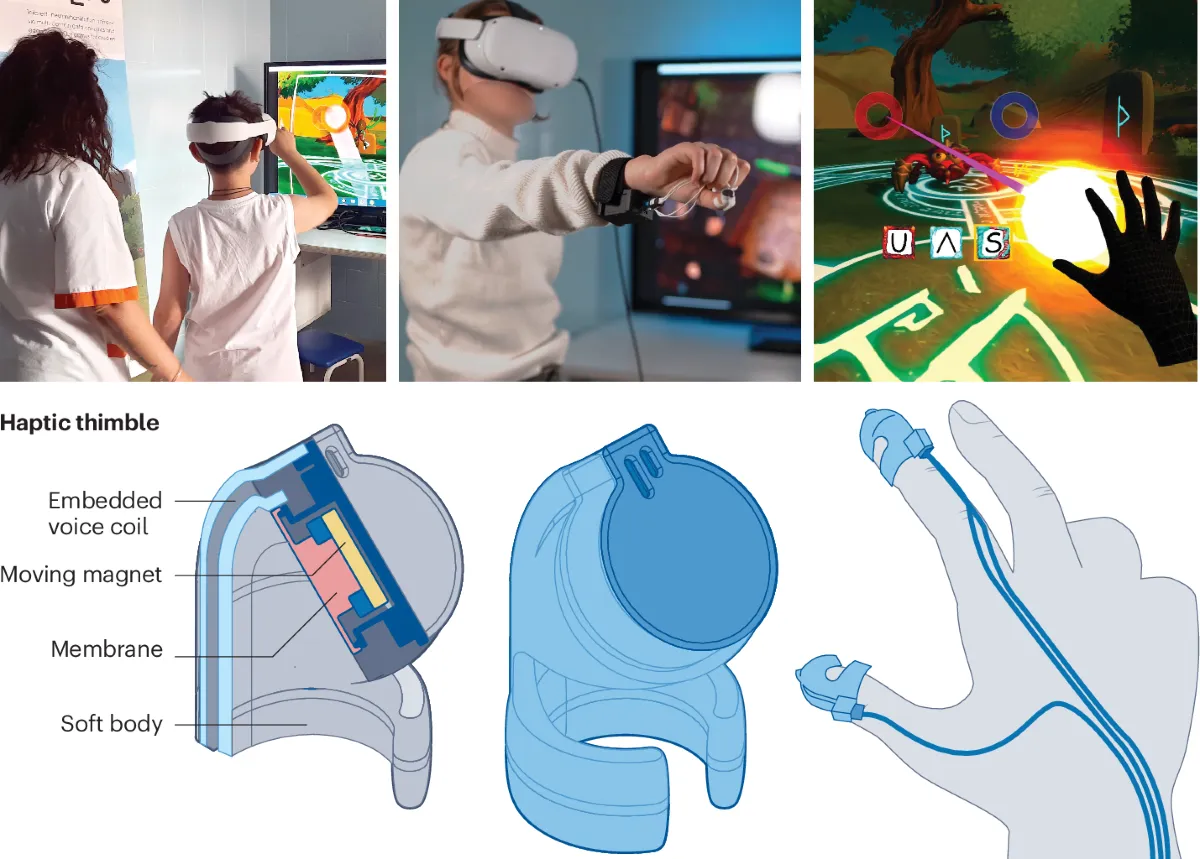
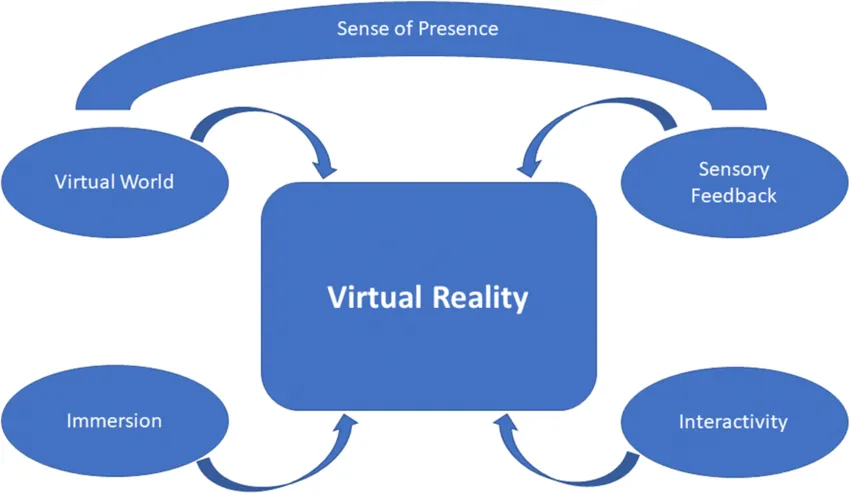
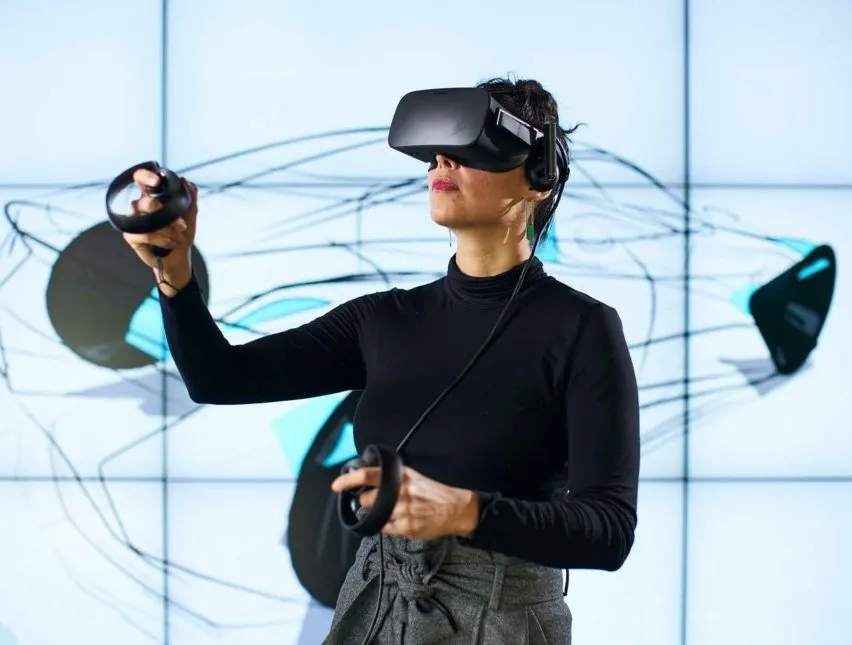
VR, virtual reality, creates a simulated environment that provides users with a sense of immersion. VR combines computing, electronic information, and simulation technologies so that a computer-generated environment gives the user the feeling of being physically present in a virtual scene. Advances in computing and sensor technology have driven growing demand for VR across multiple industries.
MR (Mixed Reality)
MR, mixed reality, blends virtual and real environments so that virtual objects can interact with the physical world. Some products and research platforms enable measurements of real-world object scale and position within a mixed scene, allowing virtual content to respond to or be constrained by physical elements. The defining characteristic of MR is the interaction between virtual and real worlds.
CR (Cinematic Reality)
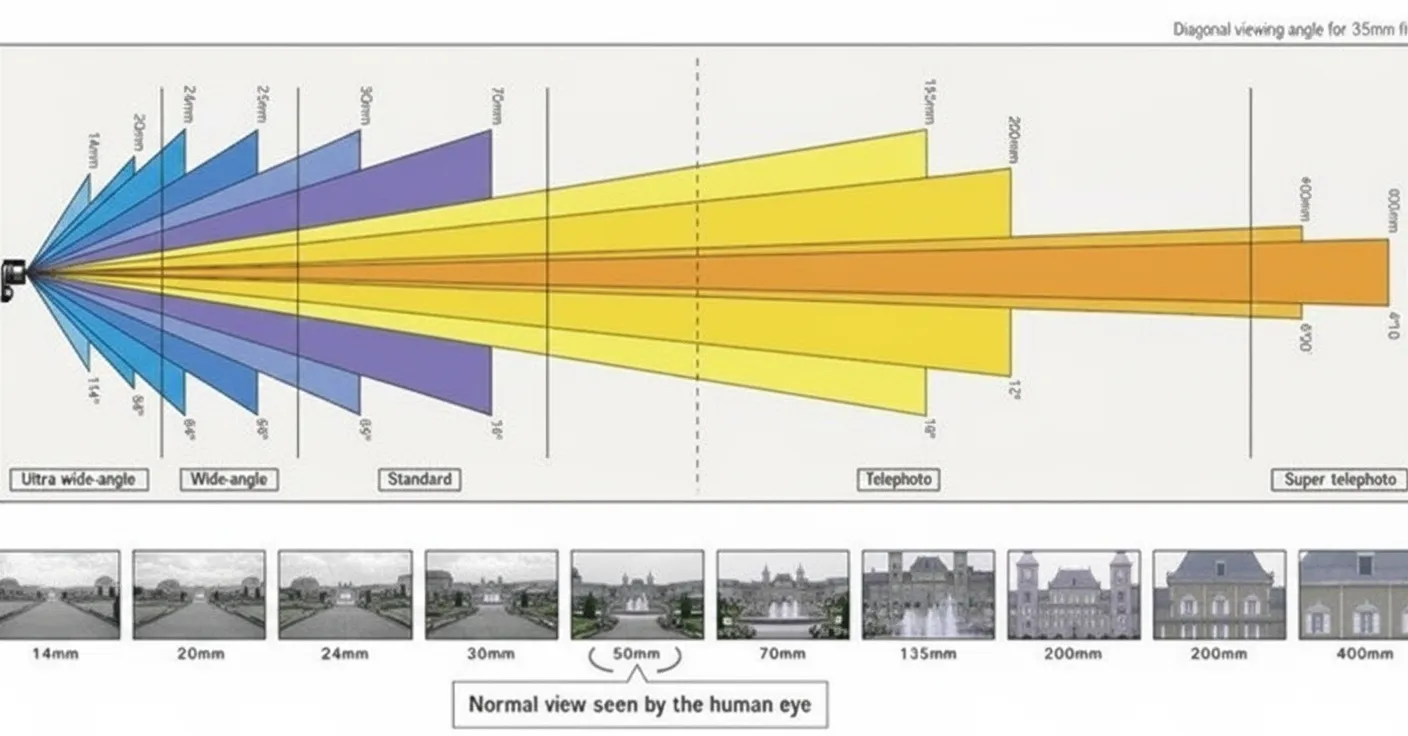
CR, cinematic reality, focuses on high-fidelity visual presentation by directing images toward the user's retina through optical systems such as prism-based light-guiding designs. Instead of relying solely on screen-based displays, retinal or near-retinal projection techniques can produce a more convincing visual experience and help address limitations such as narrow field of view or discomfort reported with some head-mounted displays.