 ALLPCB


In the fast-evolving world of surgical robotics, Printed Circuit Boards (PCBs) are at the heart of groundbreaking advancements. The future of surgical robot PCBs lies in cutting-edge designs and technologies that enhance precision, connectivity, and efficiency in medical procedures. This blog dives deep into the innovations shaping next-generation PCB design, the role of AI in PCB design, IoT-enabled surgical PCBs, and advanced PCB manufacturing techniques. Whether you're an engineer, a medical tech enthusiast, or a professional in the robotics field, this guide offers valuable insights into how PCB technology is transforming surgical robotics.
Why PCBs Are Critical to the Future of Surgical Robotics
Surgical robotics is revolutionizing healthcare by enabling minimally invasive procedures, reducing recovery times, and improving patient outcomes. At the core of these robotic systems are PCBs, which act as the nervous system, connecting sensors, actuators, and control units. As surgical robots become smaller, smarter, and more precise, the demand for advanced PCB designs is skyrocketing. Future surgical robot PCBs must handle high-speed signals, support compact designs, and ensure reliability in critical medical environments.
The integration of technologies like AI and IoT into surgical robotics also places new demands on PCB performance. For instance, real-time data processing for robotic arms requires low-latency signal transmission, often at speeds exceeding 10 Gbps. Additionally, the impedance of critical traces must be controlled within tight tolerances, such as 50 ohms for high-frequency signals, to prevent data loss or interference. These technical requirements highlight why innovations in PCB design and manufacturing are pivotal for the next generation of surgical robots.
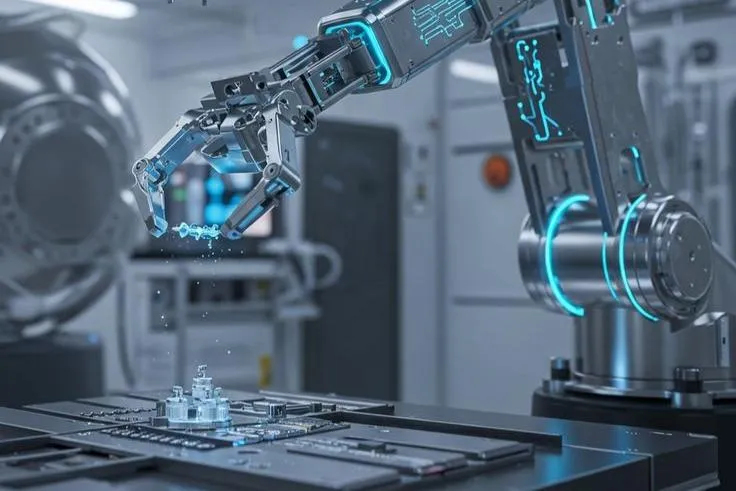
Next-Generation PCB Design: Pushing the Boundaries of Surgical Robotics
Next-generation PCB design focuses on meeting the unique challenges of surgical robotics, such as miniaturization, flexibility, and high performance. As robots are designed to operate in tight spaces within the human body, PCBs must shrink in size without compromising functionality. This has led to the rise of High-Density Interconnect (HDI) PCBs, which pack more components into smaller areas using microvias and fine-pitch traces as narrow as 0.1 mm.
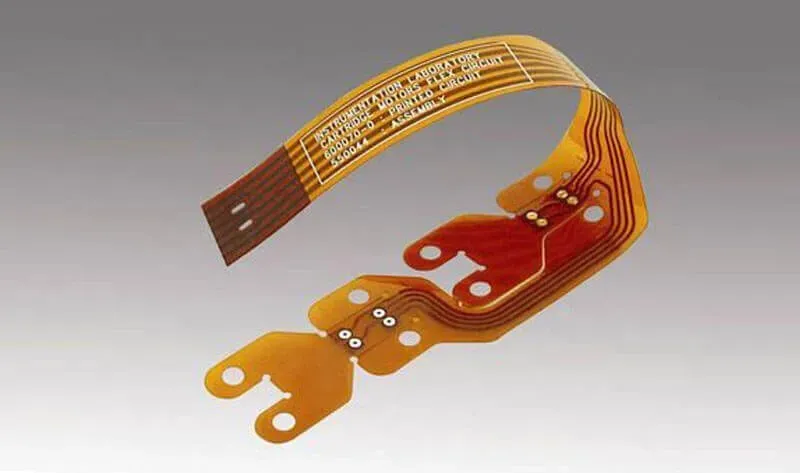
Flexible and rigid-flex PCBs are also becoming essential in surgical robotics. These designs allow PCBs to bend and conform to the shape of robotic components, saving space and improving reliability in dynamic systems. For example, a flexible PCB might be used to connect sensors in a robotic endoscope, ensuring seamless movement during a procedure. The ability to maintain signal integrity at high frequencies, often above 5 GHz for imaging systems, is another critical aspect of these designs.
Thermal management is another focus area. Surgical robots often operate for extended periods, generating heat that can affect performance. Advanced PCB designs incorporate thermal vias and copper planes to dissipate heat, maintaining operating temperatures below 85°C for sensitive components. These innovations ensure that surgical robots remain reliable even during complex, hours-long operations.
The Role of AI in PCB Design for Surgical Robotics
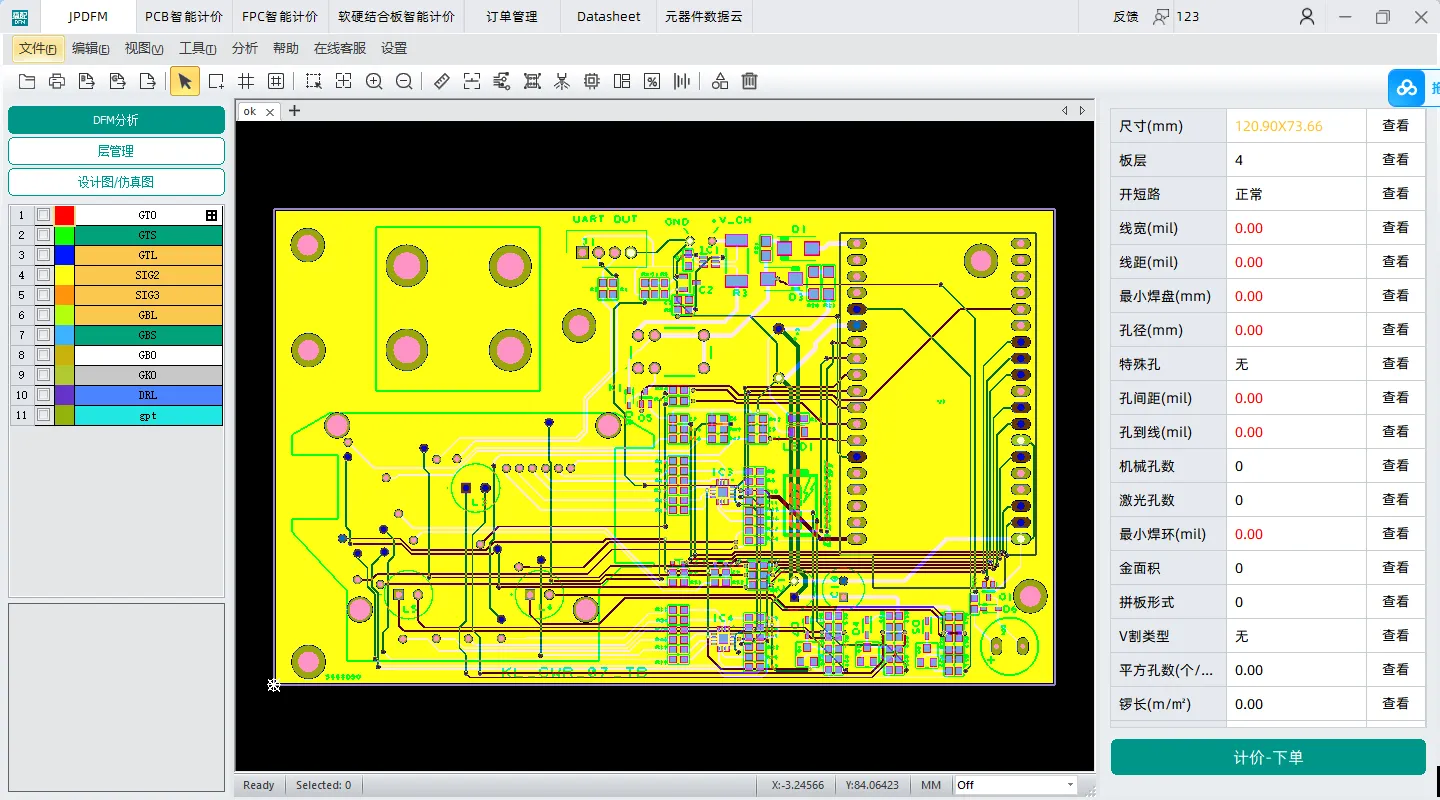
Artificial Intelligence (AI) is transforming how PCBs are designed for surgical robotics. AI in PCB design automates complex tasks like layout optimization, signal routing, and error detection, reducing design time by up to 40%. For surgical robots, where precision is non-negotiable, AI tools can simulate signal performance and identify potential issues before manufacturing begins.
For instance, AI algorithms can optimize the placement of components to minimize electromagnetic interference (EMI), a critical concern in medical environments where interference could disrupt life-saving equipment. These tools also help engineers design PCBs that support AI-driven features in surgical robots, such as machine learning algorithms for real-time decision-making during surgery. A PCB might need to handle data processing at speeds of 20 Gbps or more to support these capabilities, and AI ensures the design meets such stringent requirements.
Moreover, AI can predict thermal hotspots and suggest material choices, such as high-frequency laminates with dielectric constants around 3.0, to improve performance. By leveraging AI in PCB design, engineers can create boards that are not only efficient but also tailored to the specific needs of surgical robotics, ensuring safer and more effective medical procedures.
IoT-Enabled Surgical PCBs: Connectivity for Smarter Healthcare
The Internet of Things (IoT) is reshaping surgical robotics by enabling seamless connectivity and data sharing. IoT-enabled surgical PCBs allow robots to communicate with hospital networks, other devices, and even cloud-based systems for real-time monitoring and updates. This connectivity is vital for applications like remote surgery, where a surgeon in one location can control a robot thousands of miles away with minimal latency.
Designing IoT-enabled PCBs for surgical robotics requires integrating wireless communication modules, such as Wi-Fi or Bluetooth, directly onto the board. These modules must support high data rates, often exceeding 1 Gbps, to transmit video feeds and sensor data without delay. Additionally, power efficiency is crucial, as surgical robots may need to operate on battery power during emergencies. Low-power design techniques, such as using components with standby currents below 1 mA, are often employed in these PCBs.
Security is another key concern for IoT-enabled surgical PCBs. With patient data being transmitted over networks, PCBs must incorporate encryption hardware to protect sensitive information. Advanced designs include secure microcontrollers with built-in cryptographic engines, ensuring data integrity and privacy. As IoT continues to grow, these PCBs will play a central role in creating a connected, efficient healthcare ecosystem.
Advanced PCB Manufacturing Techniques for Surgical Robotics
The future of surgical robot PCBs depends heavily on advanced PCB manufacturing techniques that deliver precision and reliability. One such technique is laser direct imaging (LDI), which allows for finer trace widths and spacing, down to 25 microns, compared to traditional photolithography. This level of precision is essential for HDI PCBs used in compact surgical robots.
Another critical advancement is in material selection. High-frequency materials, such as PTFE-based laminates with low dielectric loss (tan δ below 0.002), are increasingly used to support the high-speed signals required by surgical robots. These materials ensure minimal signal distortion, even at frequencies above 10 GHz, which is vital for imaging and data transmission in real-time surgeries.
Additive manufacturing, or 3D printing of PCBs, is also emerging as a game-changer. This technique allows for the creation of complex, multi-layer boards with embedded components, reducing assembly time and improving reliability. For surgical robotics, where every millisecond counts, these manufacturing innovations ensure that PCBs meet the highest standards of performance and durability.
Quality control is paramount in manufacturing PCBs for medical applications. Techniques like Automated Optical Inspection (AOI) and X-ray testing are used to detect defects as small as 10 microns, ensuring that every board meets strict medical-grade standards. These advanced manufacturing processes are paving the way for safer, more effective surgical robots.
Challenges and Opportunities in PCB Design for Surgical Robotics
While the future of surgical robot PCBs is bright, several challenges remain. One major hurdle is balancing miniaturization with performance. As robots become smaller, fitting high-performance components into limited space becomes increasingly difficult. Engineers must also address power constraints, as surgical robots often require long battery life without sacrificing processing power.
Regulatory compliance is another challenge. PCBs for surgical robotics must meet stringent medical standards, such as ISO 13485, which governs quality management systems for medical devices. Ensuring compliance adds complexity to the design and manufacturing process, but it’s essential for patient safety.
Despite these challenges, the opportunities are immense. The surgical robotics market is projected to grow significantly, with estimates suggesting a value of over $28 billion by 2034. This growth will drive demand for innovative PCB solutions, creating opportunities for engineers and manufacturers to push the boundaries of technology. By focusing on next-generation PCB design, AI integration, IoT connectivity, and advanced manufacturing techniques, the industry can overcome these challenges and deliver transformative solutions.
How PCB Innovations Are Shaping Patient Outcomes
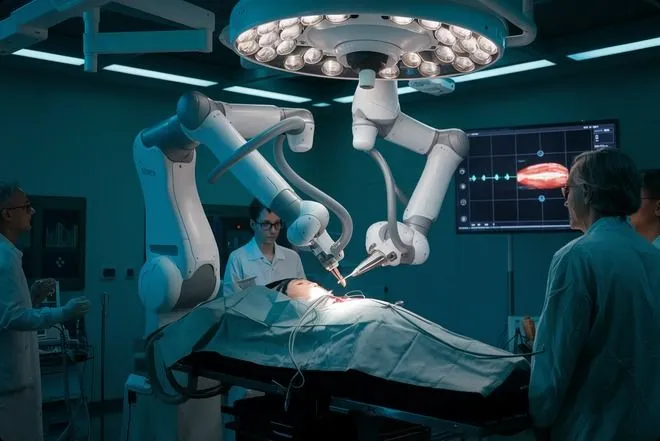
The ultimate goal of advancements in surgical robot PCBs is to improve patient outcomes. Smaller, more precise robots enabled by HDI and flexible PCBs allow for minimally invasive surgeries, reducing scarring and recovery times. IoT connectivity ensures that surgeons have access to real-time data, improving decision-making during complex procedures. AI-driven designs enhance the robot’s ability to adapt to unexpected situations, increasing the success rate of surgeries.
For example, a surgical robot equipped with an IoT-enabled PCB might stream live data to a team of specialists worldwide, allowing for collaborative input during a critical operation. Similarly, AI-optimized PCBs can support advanced imaging systems that provide surgeons with detailed, real-time visuals at resolutions up to 4K, ensuring pinpoint accuracy. These innovations translate directly into safer, faster, and more effective medical care.
Conclusion: The Road Ahead for Surgical Robotics and PCB Technology
The future of surgical robotics is intertwined with innovations in PCB design and technology. From next-generation PCB design to the integration of AI and IoT-enabled surgical PCBs, these advancements are driving a new era of precision and connectivity in healthcare. Advanced PCB manufacturing techniques further ensure that these boards meet the rigorous demands of medical applications, delivering reliability and performance when it matters most.
As the field continues to evolve, staying ahead of the curve with cutting-edge PCB solutions will be essential for engineers and manufacturers. By embracing these technologies, we can look forward to a future where surgical robots are not only more capable but also more accessible, ultimately transforming the way surgeries are performed and improving lives worldwide. At ALLPCB, we are committed to supporting this journey by providing high-quality, innovative PCB solutions tailored to the needs of surgical robotics and beyond.





