ALLPCB


In the fast-paced world of electronics, creating smaller, more efficient printed circuit boards (PCBs) is a top priority. How can you achieve PCB miniaturization without sacrificing performance? The answer lies in combining sequential lamination and embedded components. These advanced techniques allow for tighter designs, reduced board size, and improved functionality, making them essential for modern electronics. In this blog, we’ll dive deep into how these methods work together to revolutionize PCB design, focusing on practical applications and benefits for engineers looking to optimize their projects.
What is PCB Miniaturization and Why Does It Matter?
PCB miniaturization is the process of reducing the size of a circuit board while maintaining or enhancing its performance. As devices like smartphones, wearables, and IoT gadgets become smaller, the demand for compact yet powerful PCBs continues to grow. Smaller boards save space, reduce material costs, and often improve signal integrity by shortening trace lengths. However, shrinking a PCB without proper techniques can lead to issues like overheating, signal interference, or manufacturing challenges.
This is where innovative approaches like sequential lamination and embedded components come into play. These methods not only help reduce the physical footprint of a PCB but also enable higher component density and better electrical performance. Let’s explore each technique and see how they combine to create cutting-edge solutions for PCB miniaturization techniques.
Understanding Sequential Lamination in PCB Design
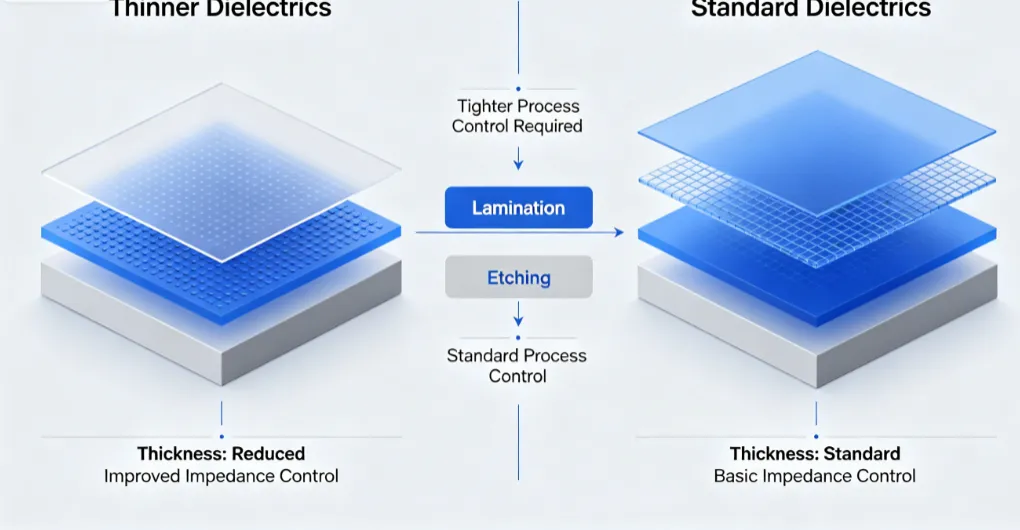
Sequential lamination is a manufacturing process used to create high-density interconnect (HDI) PCBs. It involves building a PCB layer by layer, laminating subsets of copper and dielectric materials in multiple cycles. Unlike traditional lamination, where all layers are stacked and pressed together at once, sequential lamination allows for finer control over each layer, enabling the creation of microvias and buried vias for tighter routing.
This technique is particularly useful for sequential lamination for component embedding because it supports complex multilayer designs. For instance, a typical HDI PCB might feature 8 to 12 layers, with microvias as small as 0.1 mm in diameter, allowing for a 30-40% reduction in board size compared to standard designs. Sequential lamination also improves signal integrity by reducing parasitic capacitance and inductance, often achieving impedance control within ±10% of the target value (e.g., 50 ohms for high-speed signals).
The process starts with a core layer, followed by the addition of prepreg and copper foils in stages. Each stage undergoes drilling, plating, and etching before the next layer is added. This meticulous approach ensures precision, making it ideal for compact designs in industries like telecommunications and medical devices.
The Role of Embedded Components in PCB Miniaturization
Embedded components take miniaturization a step further by placing active and passive components, such as resistors, capacitors, and even ICs, directly inside the PCB substrate. Instead of mounting components on the surface, they are integrated within the layers during the manufacturing process. This approach, often referred to as embedded component PCB design, frees up surface space for additional circuitry or reduces the overall board dimensions by up to 25% in some cases.
For example, embedding a 0.1 μF decoupling capacitor within the PCB can eliminate the need for surface-mounted components near a high-speed processor, reducing trace lengths and improving signal speeds by minimizing latency. Embedded components also enhance reliability by protecting sensitive parts from environmental factors like moisture or vibration, which is critical for applications in automotive or aerospace sectors.
There are two main types of embedding: passive components (like resistors and capacitors) and active components (like ICs). Passive embedding is more common due to simpler manufacturing, while active embedding often requires advanced thermal management to dissipate heat, such as integrating heat sinks within cavities for high-power designs.
How Sequential Lamination and Embedded Components Work Together
When combined, sequential lamination and embedded components create a powerful synergy for PCB miniaturization techniques. Sequential lamination provides the structural foundation for multilayer HDI boards, while embedded components maximize the use of internal space. Together, they allow engineers to design boards with higher component density, reduced size, and improved performance.
During the sequential lamination process, cavities or spaces are created within the layers to house embedded components. For instance, a 10-layer PCB might have capacitors embedded between layers 4 and 5, with microvias connecting them to surface-mounted ICs. This setup can reduce the board’s footprint by 20-30% compared to a surface-only design, while also cutting signal path lengths by up to 50%, boosting speeds for applications like 5G devices operating at frequencies above 3 GHz.
Moreover, this combination minimizes the risk of signal crosstalk and electromagnetic interference (EMI). By embedding components closer to their connected circuits and using sequential lamination to create precise via structures, designers can achieve better impedance matching and noise reduction, often maintaining signal integrity within a tight tolerance of ±5% for critical high-speed designs.
Benefits of Combining Sequential Lamination and Embedded Components
The integration of these two techniques offers several advantages for engineers working on compact, high-performance electronics. Here are the key benefits:
- Space Efficiency: Embedding components within the PCB layers, supported by sequential lamination, can reduce board size significantly. For example, a wearable device PCB might shrink from 50 mm x 30 mm to 40 mm x 20 mm, a 33% reduction in area.
- Enhanced Performance: Shorter interconnects and precise via placement improve signal integrity, supporting high-speed applications with data rates exceeding 10 Gbps.
- Cost Savings: While initial design and manufacturing may be complex, reducing board size lowers material costs. Embedding components also decreases assembly time by eliminating some surface-mount processes.
- Improved Reliability: Components embedded within the substrate are better protected from external damage, extending the lifespan of the PCB in harsh environments.
Challenges to Consider in Embedded Component PCB Design
While the benefits are clear, there are challenges to adopting embedded component PCB design with sequential lamination. Understanding these hurdles can help engineers plan better designs.
First, manufacturing complexity increases with embedded components. Creating cavities for components and ensuring precise alignment during sequential lamination requires advanced equipment and expertise. A misalignment as small as 0.05 mm can lead to connection failures. Additionally, thermal management becomes critical, especially for active embedded components that generate heat. Without proper heat dissipation, temperatures can rise above safe limits (e.g., 85°C for many ICs), risking component failure.
Another challenge is testing and repair. Once components are embedded, accessing them for diagnostics or replacement is nearly impossible. This necessitates thorough simulation and testing during the design phase to ensure reliability, often increasing upfront costs by 15-20% compared to traditional designs.
Despite these challenges, advancements in manufacturing technology are making these techniques more accessible, allowing more industries to adopt them for cutting-edge applications.
Applications of Sequential Lamination and Embedded Components
The combination of sequential lamination and embedded components is transforming various industries by enabling smaller, more efficient designs. Here are some key applications:
- Consumer Electronics: Smartphones and wearables benefit from compact PCBs with embedded passives, allowing for slimmer profiles and faster performance. For instance, a smartwatch PCB might use embedded capacitors to save 10-15% of surface space.
- Medical Devices: Implantable devices, like pacemakers, rely on miniaturized PCBs for functionality within tight space constraints, often achieving sizes under 20 mm x 20 mm.
- Automotive Systems: Advanced driver-assistance systems (ADAS) use HDI PCBs with embedded components to handle high-speed data processing in compact modules, improving reliability under vibration and temperature swings from -40°C to 85°C.
- Telecommunications: 5G infrastructure demands high-density designs with low signal loss, leveraging sequential lamination for precise routing and embedding for space efficiency.
Best Practices for Implementing These Techniques
For engineers looking to adopt sequential lamination for component embedding, following best practices can ensure success. Start with detailed planning and simulation. Use design software to model signal integrity and thermal performance before manufacturing, targeting impedance values within ±5% and ensuring junction temperatures stay below 100°C for embedded ICs.
Next, collaborate closely with your manufacturing partner to define process capabilities. For instance, confirm the minimum microvia size (e.g., 0.1 mm) and cavity tolerances (e.g., ±0.02 mm) for embedding components. Also, prioritize design for manufacturability (DFM) by avoiding overly dense layouts that could strain lamination cycles or increase defect rates.
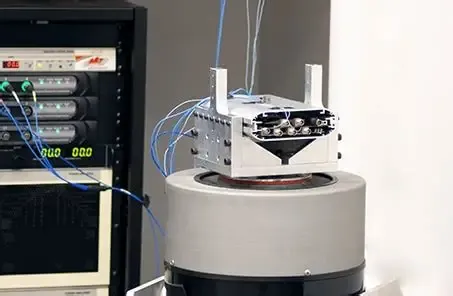
Finally, test prototypes extensively. Validate electrical performance with metrics like signal rise time (e.g., under 100 ps for high-speed designs) and ensure mechanical stability through stress tests, especially for embedded components in harsh environments.
Future Trends in PCB Miniaturization Techniques
The future of PCB miniaturization looks promising as technology continues to evolve. Innovations in materials, such as low-loss dielectrics with dielectric constants below 3.0, are enhancing the performance of HDI boards created through sequential lamination. Meanwhile, advancements in 3D printing and laser drilling are making it easier to embed complex components with higher precision, potentially reducing manufacturing costs by 10-15% over the next decade.
Additionally, the rise of hybrid designs, combining embedded components with flexible substrates, is opening new possibilities for foldable electronics. These trends suggest that PCB miniaturization techniques will continue to push boundaries, enabling even smaller, more powerful devices in the years ahead.
Conclusion: Unlocking the Potential of PCB Miniaturization
Sequential lamination and embedded components are game-changers for engineers striving to create smaller, more efficient PCBs. By leveraging sequential lamination for component embedding, you can achieve remarkable space savings, enhance performance, and meet the demands of modern electronics. While challenges like manufacturing complexity and thermal management exist, the benefits far outweigh the hurdles for industries ranging from consumer tech to medical applications.
At ALLPCB, we’re committed to supporting your journey in mastering embedded component PCB design and other cutting-edge techniques. Whether you’re designing a compact wearable or a high-speed telecom module, these strategies can help you stay ahead in the race for innovation. Embrace the power of miniaturization and transform your PCB designs today.