 ALLPCB


When it comes to designing printed circuit boards (PCBs) for surgical robots, choosing the right surface finish is critical. The ideal surgical robot PCB surface finish ensures reliability, corrosion resistance, and compliance with strict medical standards. In this comprehensive guide, we’ll dive into various PCB surface finishes suitable for surgical robot applications, focusing on options like ENIG PCB finish, RoHS compliant PCB finish, and HASL-free PCB solutions. We’ll also explore techniques for enhancing medical device PCB corrosion resistance to meet the demanding requirements of the healthcare industry.
Whether you’re an engineer or a manufacturer working on cutting-edge medical robotics, this blog will help you understand the best surface finish options to ensure performance and safety in surgical environments. Let’s explore the details of each finish, their benefits, and how they align with the needs of surgical robot systems.
Why Surface Finishes Matter in Surgical Robot PCBs
PCBs are the backbone of surgical robots, controlling precise movements, processing data, and ensuring seamless communication between components. These devices often operate in sterile, high-stakes environments where failure is not an option. A poor surface finish can lead to issues like corrosion, signal degradation, or even complete system failure, which could jeopardize patient safety.
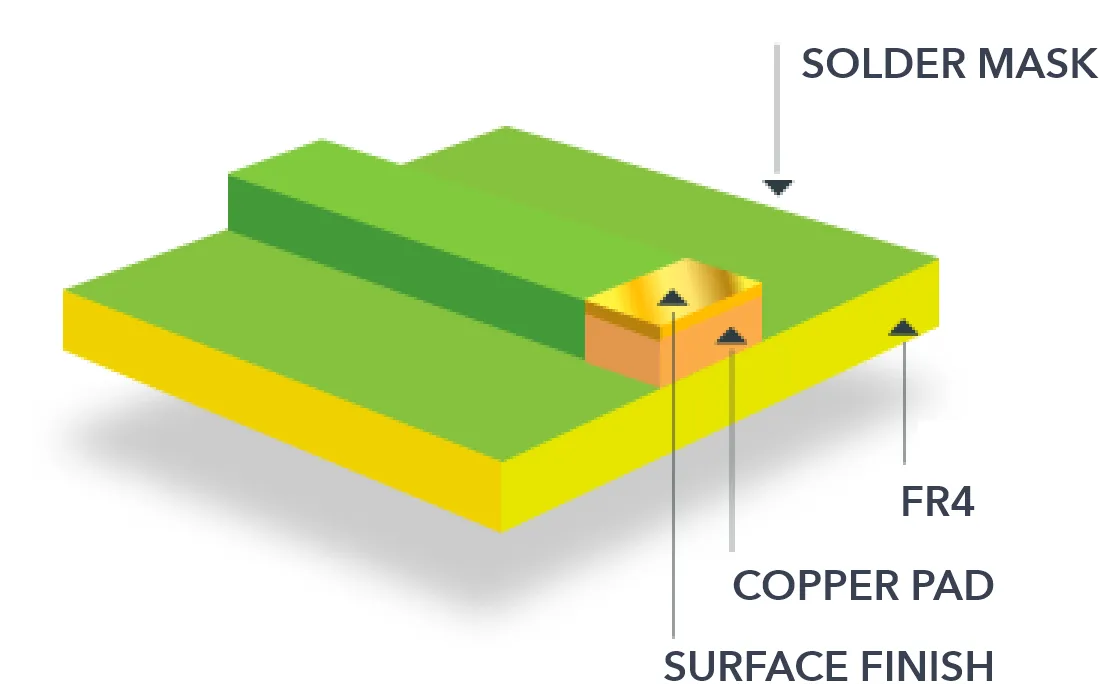
A well-chosen surface finish protects the copper traces on the PCB from oxidation, ensures strong solderability, and maintains electrical performance over time. For surgical robots, the finish must also comply with regulations like RoHS (Restriction of Hazardous Substances) to avoid harmful materials and meet biocompatibility standards. Additionally, the finish should withstand cleaning processes, exposure to bodily fluids, and other harsh conditions often encountered in medical settings.
Key Requirements for Surgical Robot PCB Surface Finishes
Before diving into specific finishes, let’s outline the essential criteria for selecting a surface finish for surgical robot PCBs:
- Corrosion Resistance: The finish must protect against moisture, chemicals, and bodily fluids to ensure long-term reliability.
- Biocompatibility: Materials used in the finish should be safe for use in medical environments and not pose risks if exposed to patients.
- RoHS Compliance: A RoHS compliant PCB finish is mandatory to eliminate hazardous substances like lead.
- Solderability: The finish should allow for strong, reliable solder joints to ensure component stability during assembly.
- Durability: Surgical robots require PCBs that can endure repeated sterilization cycles and environmental stress without degrading.
- Signal Integrity: The finish should minimize signal loss or interference, especially for high-speed data transmission in robotic systems.
With these requirements in mind, let’s explore the most suitable surface finishes for surgical robot applications.
1. Electroless Nickel Immersion Gold (ENIG) for Surgical Robot PCBs
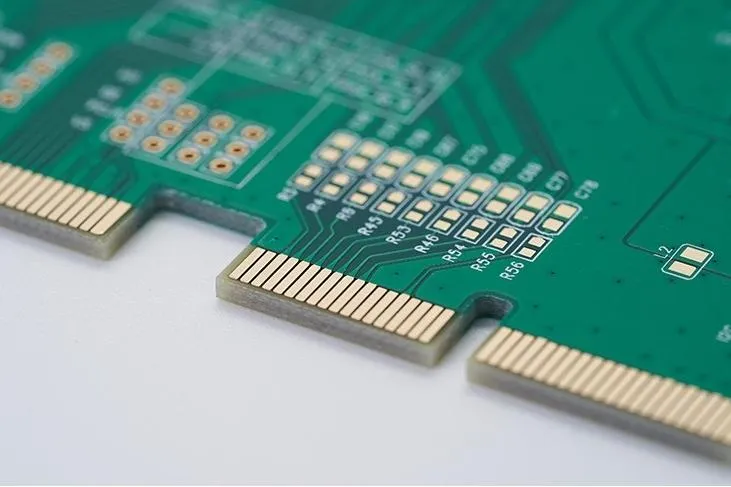
One of the most popular choices for medical device PCBs is the ENIG PCB finish (Electroless Nickel Immersion Gold). This finish consists of a layer of nickel plated over the copper, followed by a thin layer of gold. The combination offers several advantages for surgical robot applications.
Benefits of ENIG PCB Finish
- Excellent Corrosion Resistance: The nickel layer acts as a robust barrier against oxidation, while the gold layer further protects the surface, making it ideal for enhancing medical device PCB corrosion resistance. This ensures the PCB can withstand exposure to moisture or cleaning agents.
- RoHS Compliance: ENIG is a lead-free process, aligning with RoHS compliant PCB finish standards required in medical manufacturing.
- Superior Solderability: The gold layer provides a flat, smooth surface for soldering, ensuring strong connections for critical components in surgical robots.
- Signal Integrity: ENIG is well-suited for high-frequency applications, maintaining signal speeds up to 10 Gbps or higher with minimal loss, which is crucial for real-time data processing in robotic systems.
Drawbacks of ENIG
While ENIG is highly effective, it is more expensive than other finishes due to the use of gold. Additionally, improper application can lead to a phenomenon called "black pad," where the nickel layer corrodes, affecting solderability. However, with precise manufacturing controls, this risk can be minimized.
2. Immersion Silver as a Cost-Effective Alternative
Immersion Silver is another viable option for surgical robot PCBs, offering a balance between cost and performance. This finish involves depositing a thin layer of silver over the copper traces, providing good solderability and corrosion resistance.
Benefits of Immersion Silver
- Cost-Effective: Compared to ENIG, Immersion Silver is more affordable while still delivering reliable performance.
- RoHS Compliance: Like ENIG, it meets the criteria for a RoHS compliant PCB finish, making it suitable for medical devices.
- Signal Performance: Immersion Silver supports high-speed signals with impedance values typically ranging from 50 to 75 ohms, depending on the PCB design, ensuring compatibility with surgical robot systems.
Drawbacks of Immersion Silver
One limitation is its susceptibility to tarnishing when exposed to sulfur or high humidity, which could compromise medical device PCB corrosion resistance. To mitigate this, proper storage and handling are essential, along with additional protective coatings if needed.
3. Immersion Tin for Budget-Friendly Applications
Immersion Tin is a less common but still viable option for surgical robot PCBs. It involves depositing a layer of tin over the copper to protect it from oxidation and ensure solderability.
Benefits of Immersion Tin
- Affordable: It’s one of the most cost-effective finishes available, ideal for projects with tight budgets.
- RoHS Compliance: Immersion Tin meets RoHS compliant PCB finish standards, ensuring safety in medical applications.
- Good Solderability: The tin layer provides a reliable surface for soldering during assembly.
Drawbacks of Immersion Tin
Immersion Tin is prone to whisker growth—tiny metallic filaments that can cause short circuits over time. This makes it less ideal for long-term reliability in critical applications like surgical robots unless additional protective measures are taken.
4. Organic Solderability Preservative (OSP) for Eco-Friendly Designs
OSP is a water-based, organic coating applied to copper traces to prevent oxidation. It’s a HASL-free PCB option that has gained popularity for its environmental benefits and simplicity.
Benefits of OSP
- Eco-Friendly: OSP is free of heavy metals, making it a sustainable choice for manufacturers focused on green practices.
- Cost-Effective: It’s an affordable option compared to metallic finishes like ENIG or Immersion Silver.
- RoHS Compliance: OSP aligns with RoHS compliant PCB finish requirements, suitable for medical device manufacturing.
Drawbacks of OSP
OSP offers limited shelf life and can degrade during multiple soldering cycles, which may not be ideal for complex surgical robot PCBs requiring rework. Its corrosion resistance is also lower compared to metallic finishes, so it may need additional protective layers in harsh environments.
Why Avoid HASL for Surgical Robot PCBs?
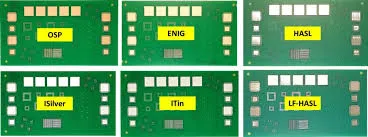
Hot Air Solder Leveling (HASL) is a traditional surface finish that involves coating the PCB with molten solder and leveling it with hot air. While it’s cost-effective, it’s not recommended for surgical robot applications due to several reasons:
- Non-RoHS Compliance: Traditional HASL uses lead-based solder, which does not meet RoHS compliant PCB finish standards required in medical devices.
- Uneven Surface: HASL creates an uneven coating, which can lead to inconsistent solder joints and signal integrity issues in high-precision robotic systems.
- Limited Durability: It offers lower corrosion resistance compared to alternatives like ENIG or Immersion Silver, making it unsuitable for harsh medical environments.
For these reasons, opting for a HASL-free PCB finish is essential when designing PCBs for surgical robots.
Enhancing Medical Device PCB Corrosion Resistance
Beyond choosing the right surface finish, additional techniques can further improve medical device PCB corrosion resistance in surgical robot applications:
- Conformal Coating: Applying a thin protective layer over the PCB can shield it from moisture, chemicals, and bodily fluids. Common materials include silicone or acrylic coatings, which can withstand sterilization processes.
- Proper Storage: Storing PCBs in controlled environments with low humidity prevents premature degradation of the surface finish before assembly.
- Material Selection: Pairing the surface finish with high-quality substrate materials, such as FR-4 or polyimide, enhances overall durability in medical settings.
- Regular Testing: Conducting environmental stress tests, such as salt spray testing, ensures the PCB can endure harsh conditions over time. For example, a PCB with an ENIG finish might be tested for corrosion resistance up to 96 hours in a salt spray chamber.
How to Choose the Right Surgical Robot PCB Surface Finish
Selecting the best surgical robot PCB surface finish depends on several factors, including budget, performance requirements, and environmental conditions. Here’s a quick guide to help you decide:
- For High Reliability: Choose ENIG PCB finish for its excellent corrosion resistance and signal integrity, especially in critical surgical robot systems.
- For Cost Savings: Consider Immersion Silver or Immersion Tin if budget constraints are a concern, while ensuring proper handling to avoid tarnishing or whisker growth.
- For Eco-Friendly Designs: Opt for OSP as a HASL-free PCB solution that aligns with sustainable manufacturing practices.
- For Regulatory Compliance: Always prioritize a RoHS compliant PCB finish to meet medical industry standards.
Working with a trusted PCB manufacturing partner can also help you navigate these choices, ensuring the selected finish meets your specific application needs.
Conclusion: Building Reliable PCBs for Surgical Robots
Designing PCBs for surgical robots requires careful consideration of the surface finish to ensure reliability, safety, and compliance with medical standards. Options like ENIG PCB finish, Immersion Silver, and OSP offer unique benefits for enhancing medical device PCB corrosion resistance and meeting RoHS compliant PCB finish requirements. By avoiding outdated methods like HASL and opting for a HASL-free PCB approach, manufacturers can create robust, high-performance boards tailored for the demanding conditions of surgical environments.
Understanding the strengths and limitations of each surface finish empowers engineers to make informed decisions, ultimately contributing to the success of life-saving robotic technologies. With the right surface finish and protective techniques, your PCB can deliver the precision and durability needed for surgical robot applications.





