ALLPCB


Space probes face some of the harshest environments imaginable, with temperatures swinging from freezing cold to scorching hot in a matter of hours. Designing printed circuit boards (PCBs) for these missions requires tackling extreme temperature challenges head-on. How do engineers ensure that PCBs in space probes survive such brutal conditions? The answer lies in advanced thermal management, careful material selection, and innovative design techniques tailored for space.
In this blog, we'll dive deep into the world of PCB design for space probes, exploring strategies for thermal management, the impact of temperature cycling, high-temperature design considerations, and the importance of space-grade materials with specific coefficients of thermal expansion (CTE). Whether you're an engineer working on aerospace projects or simply curious about the technology behind space exploration, this guide will provide actionable insights into creating reliable PCBs for the final frontier.
The Unique Challenges of Space Probe PCB Design
Space is an unforgiving environment for electronics. Unlike terrestrial applications, space probes must operate in a vacuum with no air to conduct heat away from components. They endure extreme temperature swings, often ranging from -150°C in the shadow of a planet to over 200°C when exposed to direct sunlight. These conditions test the limits of PCB materials, components, and design techniques.
One of the biggest challenges is PCB thermal management in space probes. Without proper heat dissipation, components can overheat and fail. Additionally, rapid temperature changes—known as temperature cycling—can cause materials to expand and contract, leading to mechanical stress and potential cracks or delamination. Engineers must also consider radiation, which can degrade materials over time, and the need for lightweight designs to reduce launch costs.
Understanding Space Probe PCB Temperature Cycling
Space probe PCB temperature cycling refers to the repeated heating and cooling that occurs as a probe moves through different thermal environments. For example, a probe orbiting Earth may experience temperature shifts every 90 minutes as it alternates between sunlight and shadow. These cycles can range from -100°C to 150°C or more, depending on the mission profile.
Such cycling creates thermal fatigue in PCB materials. When a board heats up, its layers and components expand at different rates due to varying CTE values. When it cools, they contract. Over time, this mismatch can lead to solder joint failures, trace cracking, or delamination of the PCB substrate. Studies show that thermal cycling can reduce the lifespan of standard PCBs by up to 50% in just a few hundred cycles if not properly managed.
To mitigate these risks, engineers use simulation tools to predict thermal behavior during the design phase. They model temperature profiles based on the probe’s trajectory and use finite element analysis (FEA) to identify stress points. This data helps in selecting materials and layouts that minimize thermal stress.
Strategies for PCB Thermal Management in Space Probes
Effective PCB thermal management in space probes is critical to mission success. Since there’s no air in space to carry heat away through convection, engineers rely on conduction and radiation for heat dissipation. Here are some proven strategies:
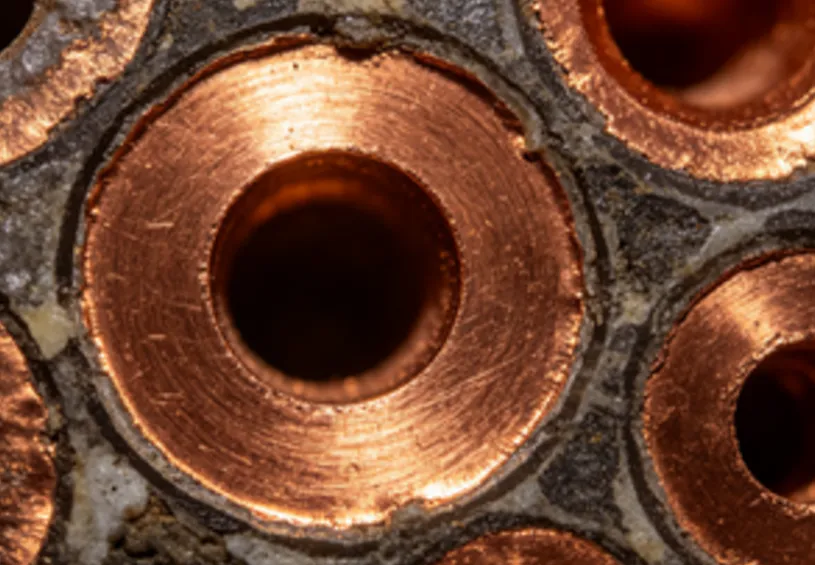
- Thermal Vias: These are small holes filled with conductive material, like copper, that transfer heat from hot components to a heat sink or the probe’s chassis. A typical design might include a grid of vias with a diameter of 0.3 mm spaced 1 mm apart under high-power components.
- Heat Sinks and Spreaders: Lightweight aluminum or copper heat sinks are often integrated into the design to absorb and distribute heat. For space applications, these are designed to radiate heat into the vacuum.
- Multi-Layer Boards: Using multiple copper layers in the PCB stack-up helps spread heat more evenly. A 6-layer board with 2 oz copper per layer can reduce peak temperatures by up to 20% compared to a 2-layer board.
- Component Placement: High-power components are placed strategically near heat dissipation paths, while sensitive components are positioned away from heat sources.
Additionally, some designs incorporate active thermal control systems, such as heaters or thermoelectric coolers, to maintain a stable temperature range. For instance, the electronics on a Mars rover might be kept between -40°C and 50°C using a combination of insulation and small heaters.

High-Temperature PCB Design for Space Applications
High-temperature PCB design for space is essential for missions venturing close to the Sun or into hot planetary atmospheres, such as Venus, where surface temperatures can exceed 460°C. Standard PCB materials like FR-4, which have a glass transition temperature (Tg) of around 130°C, are unsuitable for these conditions as they soften and lose structural integrity.
Instead, engineers turn to high-temperature laminates such as polyimide, which has a Tg of over 250°C and can withstand continuous operation at 200°C or higher. Polyimide also offers excellent resistance to thermal cycling, making it ideal for space probes. However, it’s more expensive and harder to process than traditional materials, requiring specialized manufacturing techniques.
Another consideration is the selection of components rated for high temperatures. Surface-mount resistors and capacitors designed for automotive or military applications often have operating ranges up to 150°C or 200°C. For extreme missions, custom components or bare die integration may be necessary to ensure reliability.
Trace design also plays a role. Wider traces (e.g., 0.5 mm or more) and thicker copper layers (e.g., 3 oz) can handle higher currents without overheating. Engineers also avoid sharp corners in traces to reduce stress concentration during thermal expansion.
Space-Grade PCB Materials and CTE Considerations
The choice of space-grade PCB materials CTE (Coefficient of Thermal Expansion) is a critical factor in ensuring reliability. CTE measures how much a material expands or contracts with temperature changes, typically expressed in parts per million per degree Celsius (ppm/°C). A mismatch in CTE between the PCB substrate, copper traces, and components can lead to mechanical failure.
For space applications, materials with low and stable CTE values are preferred. Here are some commonly used options:
- Polyimide: CTE of 12-20 ppm/°C, excellent for high-temperature and cycling environments.
- PTFE (Teflon-based): CTE of 15-25 ppm/°C, often used for its low dielectric constant in high-frequency applications, though less common for extreme heat.
- Ceramic-Filled Laminates: CTE as low as 6-10 ppm/°C, offering a close match to silicon components (CTE of ~3 ppm/°C), reducing stress on solder joints.
In contrast, standard FR-4 has a CTE of 14-18 ppm/°C in the X-Y plane but a much higher 50-70 ppm/°C in the Z-axis (through the thickness), making it prone to failure under thermal cycling. Space-grade materials are engineered to have more isotropic CTE values, meaning they expand uniformly in all directions.
Matching CTE is especially important for Ball Grid Array (BGA) components, which have hundreds of solder connections. A CTE mismatch of just 5 ppm/°C can increase the risk of solder fatigue by 30% over 500 thermal cycles. Engineers often use underfill materials—a type of epoxy—to reinforce BGA connections and absorb stress.
Testing and Validation for Space Probe PCBs
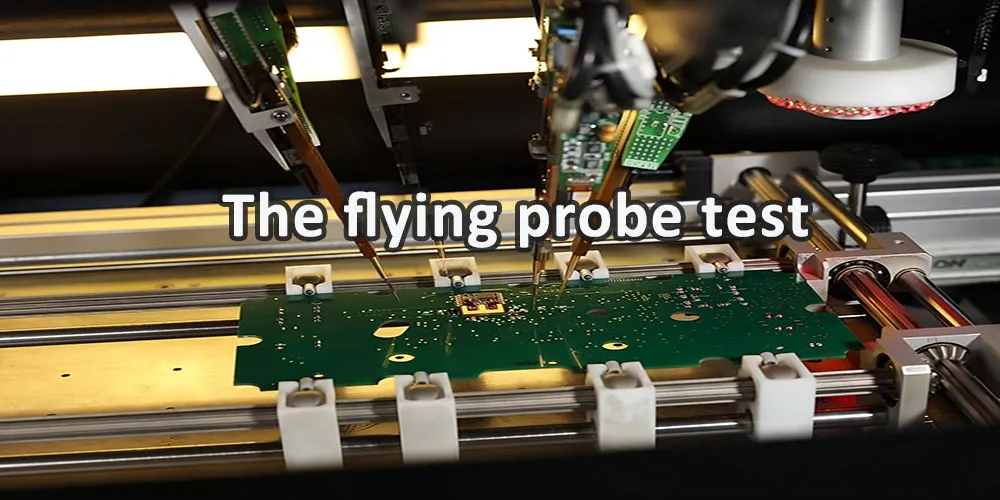
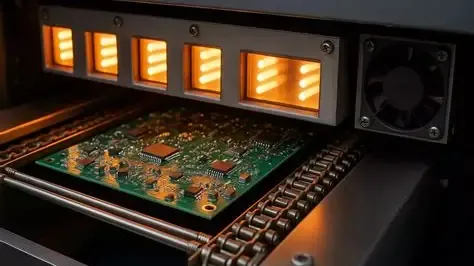
Before a PCB is launched into space, it undergoes rigorous testing to simulate the extreme conditions it will face. Thermal vacuum chambers replicate the temperature swings and vacuum of space, cycling the board between -150°C and 150°C for hundreds of hours. Vibration testing ensures the board can withstand the intense forces of launch, which can exceed 10g.
Reliability standards, such as those set by NASA or the European Space Agency (ESA), often require PCBs to survive 1,000 thermal cycles with no more than a 1% failure rate in critical components. Engineers also perform accelerated life testing, exposing the board to harsher conditions than expected to predict long-term performance.
For example, a PCB designed for a 10-year mission to Jupiter might be tested at temperatures 20% higher than the expected maximum to ensure a safety margin. Post-test analysis, including X-ray imaging and microsectioning, helps identify any hidden cracks or defects.
Future Trends in Space Probe PCB Design
As space exploration advances, so do the demands on PCB technology. Missions to distant planets or the Sun’s corona will require even greater thermal resilience. Emerging materials like graphene-based composites promise superior heat dissipation and lower CTE values, potentially revolutionizing high-temperature PCB design for space.
Miniaturization is another trend. As probes become smaller (e.g., CubeSats), PCBs must pack more functionality into less space without sacrificing thermal performance. Techniques like 3D stacking and embedded components are gaining traction, though they introduce new challenges in heat management.
Finally, artificial intelligence (AI) is playing a growing role in design optimization. AI algorithms can analyze thousands of thermal simulations in minutes, suggesting layouts and material combinations that human engineers might overlook.
Conclusion: Building PCBs for the Final Frontier
Designing PCBs for space probes is a complex balancing act. Engineers must navigate the challenges of PCB thermal management in space probes, mitigate the effects of space probe PCB temperature cycling, and master high-temperature PCB design for space using materials with carefully matched space-grade PCB materials CTE. Through innovative strategies like thermal vias, advanced laminates, and rigorous testing, reliable electronics can be built to withstand the harshest conditions of space.
At ALLPCB, we’re committed to supporting engineers in pushing the boundaries of what’s possible. Whether you’re designing for a lunar mission or a deep-space explorer, understanding these principles is the first step to success. With the right materials, design techniques, and manufacturing partners, your PCBs can help unlock the mysteries of the universe.