ALLPCB


In the fast-evolving world of medical technology, surgical robots have become a game-changer, enabling precision and efficiency in complex procedures. At the heart of these advanced systems lies a critical component: the printed circuit board (PCB). But how can multiple PCB layers enhance the functionality of surgical robots? By utilizing a multilayer surgical robot PCB, designers can achieve better signal integrity, compact designs, and improved performance in high-stakes medical environments. In this blog, we’ll explore how complex PCB design and high-density PCB layouts optimize surgical robots, diving deep into medical device signal routing and advanced PCB technology.
Why Multilayer PCBs Are Essential for Surgical Robots
Surgical robots are intricate systems that require seamless integration of sensors, actuators, and control units to perform delicate tasks with pinpoint accuracy. A single-layer or double-layer PCB often falls short in meeting these demands due to limited space and routing capabilities. This is where multilayer PCBs come in. With multiple layers of conductive material stacked together, these boards provide the foundation for complex PCB design, enabling engineers to pack more functionality into a smaller footprint.
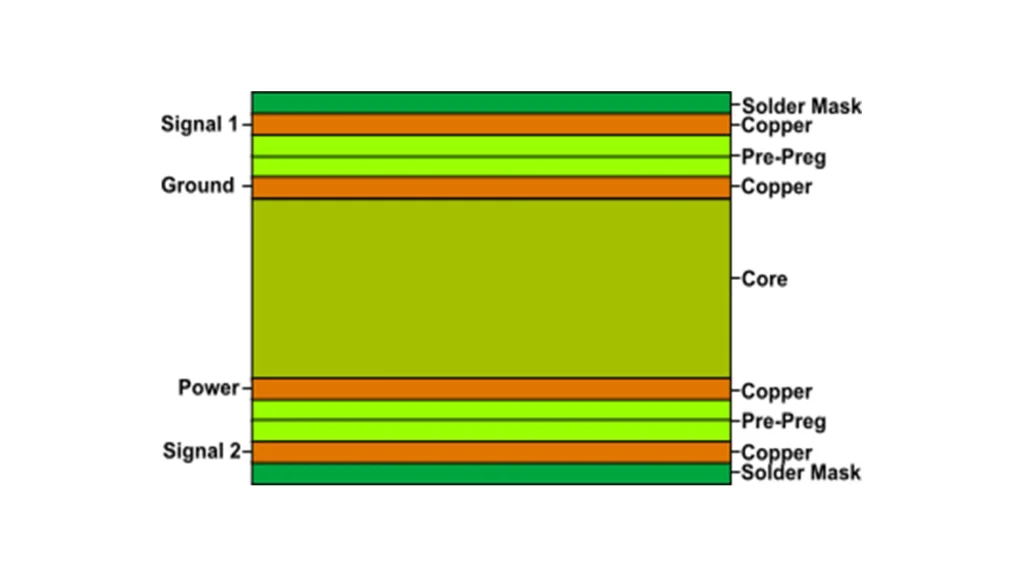
Multilayer PCBs, typically ranging from 4 to 16 layers or more, allow for better organization of power, ground, and signal traces. This is crucial for surgical robots, where electromagnetic interference (EMI) must be minimized to ensure reliable operation. For instance, a 6-layer PCB might dedicate two layers to power and ground planes, reducing noise, while the remaining layers handle high-speed signals and control circuits. This structured approach is vital for maintaining the precision of robotic arms during surgery.
The Role of High-Density PCB in Surgical Robot Design
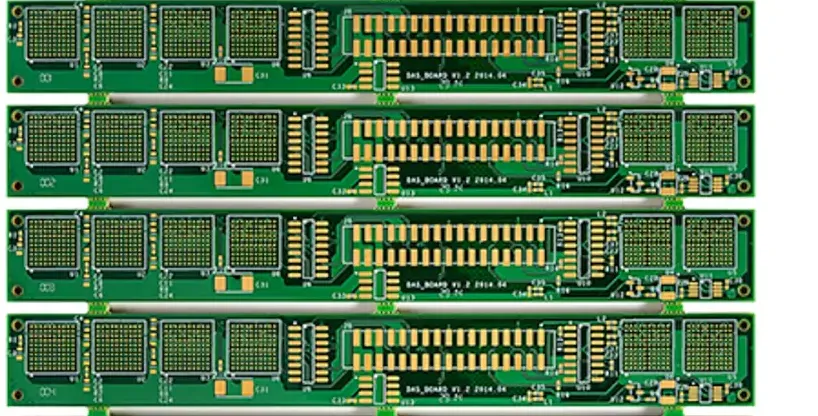
Surgical robots often operate in confined spaces, both in terms of the physical device and the operating room. A high-density PCB is key to fitting complex circuitry into these compact systems. High-density interconnect (HDI) technology allows for finer traces, smaller vias, and tighter spacing, which means more components can be placed on a single board without sacrificing performance.
For example, a typical HDI PCB for a surgical robot might feature trace widths as small as 3 mils (0.003 inches) and microvias with diameters of 0.1 mm. This allows for the integration of advanced microcontrollers, high-resolution sensors, and communication modules—all essential for real-time feedback during surgery. By using a high-density PCB, designers can reduce the overall size of the robot’s control unit, making it easier to integrate into minimally invasive surgical tools.
Moreover, HDI technology supports the trend toward miniaturization in medical devices. Smaller, lighter robots are not only easier to maneuver but also less intrusive for patients, leading to faster recovery times. The ability to stack multiple layers in a compact design ensures that even the most sophisticated surgical robots remain practical for real-world use.
Medical Device Signal Routing: Precision in Every Connection
One of the biggest challenges in designing PCBs for surgical robots is ensuring flawless signal transmission. Medical device signal routing must account for high-speed data transfer, minimal crosstalk, and low latency to guarantee that the robot responds instantly to a surgeon’s commands. A delay of even a few milliseconds can be critical in a surgical setting.
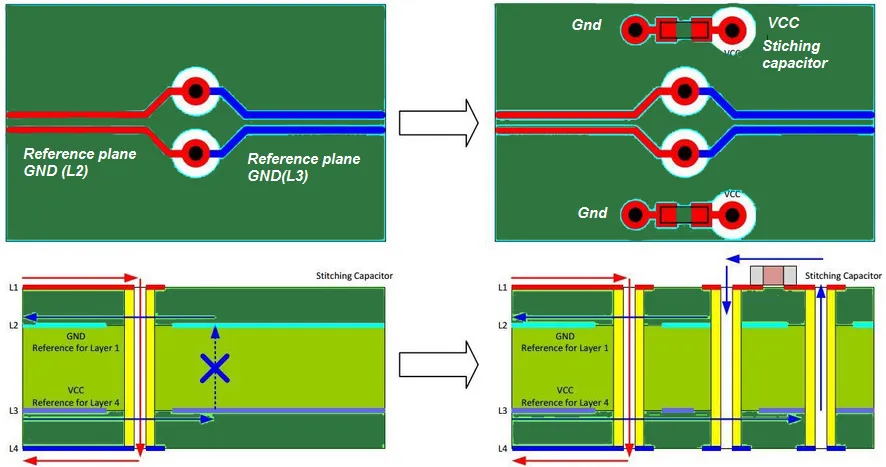
In a multilayer PCB, signal routing can be optimized by separating high-speed signals from power lines and using dedicated ground planes to shield against interference. For instance, differential pairs—commonly used for high-speed communication protocols like USB or Ethernet—can be routed on inner layers with controlled impedance. A typical impedance value for these signals might be 90 ohms, ensuring consistent performance across the board.
Additionally, multilayer designs allow for shorter trace lengths, which reduce signal degradation. In a surgical robot, this might mean faster communication between the control unit and the robotic arm, enabling precise movements with a response time of less than 10 milliseconds. Proper routing also minimizes EMI, which is especially important in a hospital environment where multiple electronic devices operate simultaneously.
Advanced PCB Technology for Surgical Robot Reliability
The stakes are incredibly high in medical applications, where a single malfunction can have life-altering consequences. This is why advanced PCB technology plays a pivotal role in ensuring the reliability and safety of surgical robots. Technologies like blind and buried vias, flexible-rigid boards, and advanced materials are increasingly common in multilayer PCB designs for medical devices.
Blind and buried vias, for example, allow connections between layers without taking up surface space, further supporting high-density designs. These vias are especially useful in boards with 8 or more layers, where space is at a premium. Meanwhile, flexible-rigid PCBs combine the benefits of rigid stability and flexible connections, making them ideal for surgical robots with moving parts, such as articulated arms or endoscopic tools.
Material selection is another critical aspect of advanced PCB technology. High-frequency laminates, such as those with a low dielectric constant (Dk) of around 3.0, are often used to support high-speed signals in surgical robots. These materials reduce signal loss and ensure stable performance, even at frequencies above 1 GHz, which is common for modern communication modules in medical devices.
Thermal management is also a focus of advanced PCB design. Surgical robots often run for extended periods during complex procedures, generating significant heat. Multilayer PCBs can incorporate thermal vias and copper pours to dissipate heat effectively, maintaining operating temperatures below 85°C to prevent component failure.
Benefits of Multilayer PCBs in Surgical Robot Performance
The adoption of multilayer PCBs brings several tangible benefits to surgical robot functionality. Let’s break down some of the most significant advantages:
- Enhanced Precision: With optimized medical device signal routing, multilayer PCBs ensure that signals travel with minimal delay or interference, enabling robotic arms to move with sub-millimeter accuracy.
- Compact Design: Thanks to high-density PCB technology, more components can be integrated into a smaller space, reducing the overall size of the robot and making it suitable for minimally invasive procedures.
- Improved Reliability: Multilayer designs with dedicated power and ground planes reduce noise and EMI, ensuring consistent performance during critical operations.
- Scalability: As surgical robots evolve to include more advanced features like AI-driven decision-making or real-time imaging, multilayer PCBs provide the flexibility to add more layers and components without redesigning the entire system.
These benefits directly translate to better patient outcomes. For instance, a surgical robot with a well-designed multilayer PCB can complete a procedure 20% faster than one with a less optimized board, thanks to improved signal speed and reduced latency.
Challenges in Designing Multilayer Surgical Robot PCBs
While the advantages are clear, designing a multilayer surgical robot PCB is not without challenges. The complexity of these boards requires careful planning and expertise to avoid issues like signal crosstalk, thermal buildup, or manufacturing defects.
One common challenge is balancing cost with performance. Adding more layers increases the board’s capabilities but also raises production costs. For example, a 12-layer PCB might cost 50% more to manufacture than a 6-layer board, yet the added functionality may be necessary for advanced surgical robots. Engineers must weigh these trade-offs during the design phase.
Another hurdle is ensuring compliance with strict medical standards, such as IPC Class 3, which demands the highest level of reliability for life-supporting devices. This means that every aspect of the PCB—from material selection to soldering—must meet rigorous quality checks to ensure patient safety.
Finally, testing and validation can be time-consuming. A multilayer PCB for a surgical robot might undergo hundreds of hours of simulation to verify signal integrity and thermal performance before it even reaches the prototype stage. Despite these challenges, the end result is a highly reliable system that can save lives.
How to Optimize Multilayer PCB Design for Surgical Robots
For engineers looking to create effective multilayer PCBs for surgical robots, here are some practical tips to keep in mind:
- Prioritize Layer Planning: Assign specific functions to each layer, such as dedicating inner layers to high-speed signals and outer layers to power distribution.
- Use Simulation Tools: Leverage software to simulate signal integrity and thermal performance, ensuring that the design meets the required specifications before manufacturing.
- Focus on Material Quality: Choose high-quality laminates with low dielectric loss to support high-frequency signals and ensure long-term reliability.
- Minimize Via Usage: While vias are necessary for multilayer designs, excessive use can increase costs and introduce signal loss. Opt for blind or buried vias where possible.
- Test Rigorously: Conduct thorough testing under real-world conditions to validate the PCB’s performance in a surgical environment.
By following these steps, engineers can create multilayer PCBs that maximize the functionality and safety of surgical robots.
Conclusion: The Future of Surgical Robots with Multilayer PCBs
As surgical robots continue to transform healthcare, the importance of well-designed multilayer PCBs cannot be overstated. Through complex PCB design and high-density PCB technology, these boards enable unparalleled precision, compact form factors, and reliable performance. With optimized medical device signal routing and the adoption of advanced PCB technology, multilayer PCBs are paving the way for the next generation of medical devices.
At ALLPCB, we understand the unique challenges of designing PCBs for medical applications. Our expertise in multilayer and HDI designs ensures that your surgical robot projects achieve the highest standards of quality and performance. Whether you’re developing a new system or upgrading an existing one, leveraging the power of multilayer PCBs is the key to staying ahead in this cutting-edge field.