ALLPCB


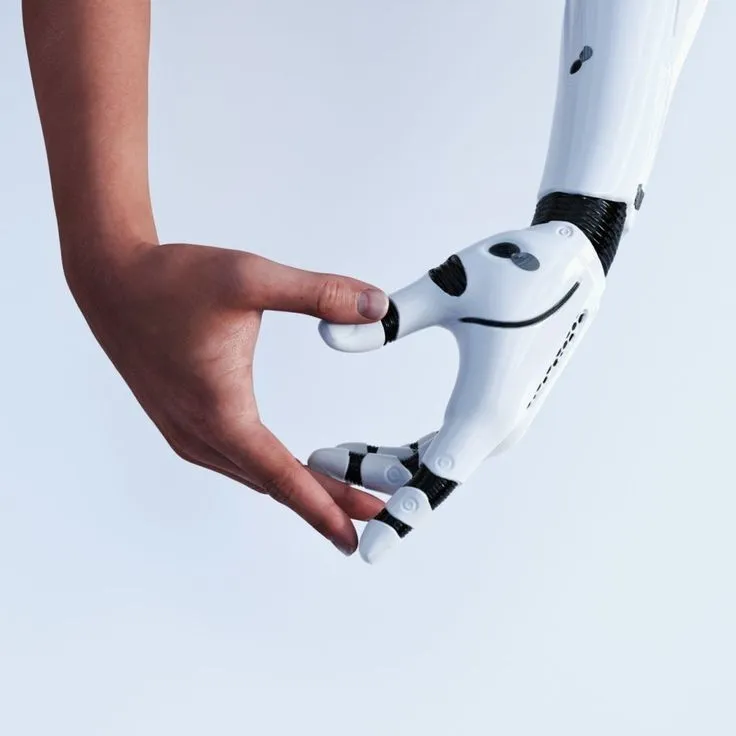
In the rapidly evolving field of medical technology, prosthetic devices are becoming more advanced, offering improved functionality and quality of life for users. At the heart of these innovations lies printed circuit board (PCB) technology, which powers the electronics that make modern prosthetics smarter and more responsive. If you're searching for insights into next-generation prosthetic PCBs, innovations in prosthetic device electronics, or advanced PCB technology for limbs, you're in the right place. This blog dives deep into the future trends shaping PCB technology for prosthetic devices, providing a clear roadmap of what’s coming next in this transformative industry.
From integrating artificial intelligence to enhancing biocompatibility, the future of PCB technology in prosthetics promises groundbreaking advancements. Let’s explore these trends in detail, uncovering how they will redefine the capabilities of prosthetic limbs and the role of cutting-edge electronics in this space.
The Role of PCBs in Modern Prosthetic Devices
PCBs are the backbone of electronic systems in prosthetic devices, managing everything from motor control to sensory feedback. These compact boards house microcontrollers, sensors, and power management circuits that enable prosthetics to mimic natural limb movements. As prosthetic technology advances, the demand for smaller, more efficient, and highly durable PCBs continues to grow.
In today’s prosthetics, PCBs must handle complex tasks like processing real-time data from sensors and ensuring seamless communication between the device and the user’s nervous system. With the push toward more lifelike and functional limbs, PCB technology is evolving to meet these challenges. The future trends we’ll discuss below highlight how next-generation prosthetic PCBs are set to revolutionize this field.
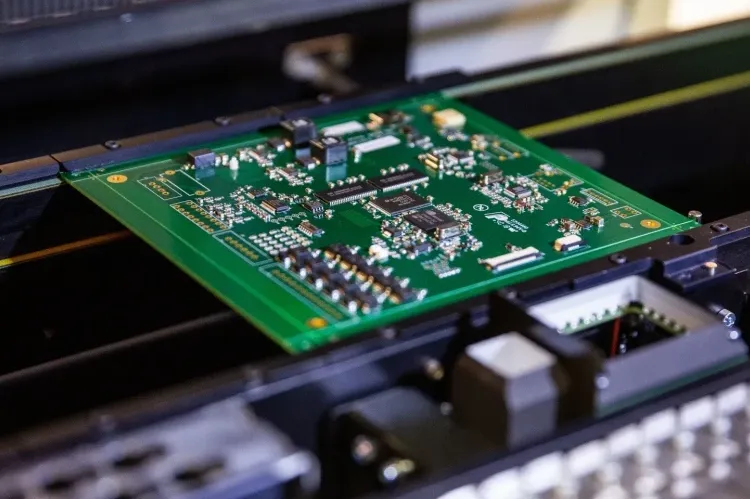
Trend 1: Miniaturization for Lightweight and Compact Designs
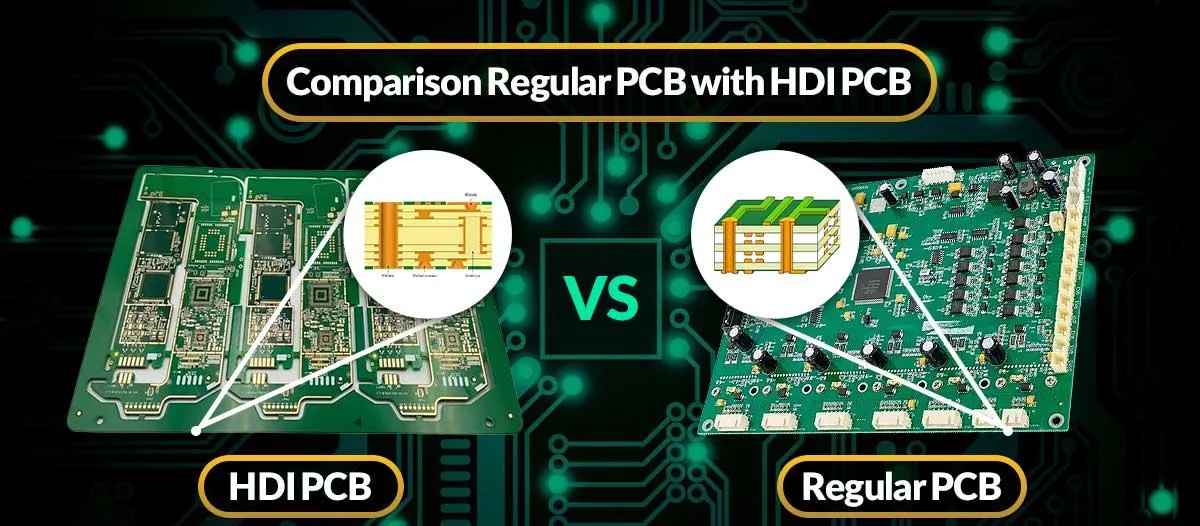
One of the most significant trends in PCB technology for prosthetics is miniaturization. As prosthetic users demand lighter and less bulky devices, manufacturers are focusing on shrinking PCB sizes without compromising performance. Smaller PCBs mean that prosthetics can be more discreet and comfortable, especially for upper limb devices like bionic hands.
Modern PCB designs now use high-density interconnect (HDI) technology, allowing more components to fit into a smaller footprint. For example, HDI PCBs can achieve trace widths as narrow as 0.075 mm, enabling intricate layouts in a confined space. This trend is critical for creating prosthetics that feel less like external devices and more like natural extensions of the body.
Miniaturization also reduces power consumption, which is vital for battery-operated prosthetics. By optimizing the layout and using advanced materials, these PCBs can support longer usage times—sometimes up to 18 hours on a single charge—enhancing user convenience.
Trend 2: Integration of Artificial Intelligence and Machine Learning
Artificial intelligence (AI) and machine learning (ML) are transforming prosthetic devices, and PCBs are at the center of this revolution. Innovations in prosthetic device electronics now include AI algorithms embedded directly into the PCB firmware, allowing prosthetics to learn and adapt to a user’s unique movement patterns.
For instance, AI-powered PCBs can process data from gyroscopes and accelerometers to predict intended movements, adjusting grip strength or walking gait in real time. This capability relies on high-speed microcontrollers integrated into the PCB, often running at clock speeds of 100 MHz or higher, to ensure rapid response times—sometimes as low as 10 milliseconds.
The future will see even more advanced AI integration, with PCBs supporting neural network models that interpret brain signals directly. This means prosthetic limbs could respond to thought commands, a game-changer for amputees seeking intuitive control. Designing PCBs for such applications requires robust signal integrity and low noise levels, often below 50 microvolts, to accurately capture and process delicate neural data.

Trend 3: Enhanced Biocompatibility and Flexible PCBs
As prosthetics become more integrated with the human body, biocompatibility is a growing concern for PCB design. Traditional rigid PCBs are being replaced by flexible and stretchable circuits that conform to the body’s contours, reducing discomfort and improving durability. This trend in advanced PCB technology for limbs ensures that electronics can withstand the constant motion and stress of daily use.
Flexible PCBs are often made from materials like polyimide, which can endure bending cycles of up to 100,000 without failure. These boards are ideal for prosthetics that need to fit snugly against the skin or within confined spaces of a limb socket. Additionally, biocompatible coatings are applied to prevent adverse reactions, ensuring safe long-term use.
Looking ahead, research is focusing on bioresorbable PCBs that dissolve harmlessly in the body after a certain period. While still in early stages, this technology could eliminate the need for surgical removal of temporary implants, paving the way for safer and more sustainable prosthetic solutions.
Trend 4: Wireless Connectivity and IoT Integration
The Internet of Things (IoT) is making its way into prosthetic devices, and PCBs are evolving to support wireless connectivity. Future prosthetics will likely feature Bluetooth or Wi-Fi modules embedded in their PCBs, allowing users to monitor device status, adjust settings, or receive firmware updates via a smartphone app.
Wireless PCBs can transmit data at speeds up to 2 Mbps, enabling real-time feedback between the prosthetic and external systems. For example, a user could receive alerts if the device’s battery level drops below 20%, or clinicians could remotely analyze usage patterns to recommend adjustments. This connectivity also opens doors for tele-rehabilitation, where patients can receive guidance without visiting a clinic.
However, integrating wireless technology into next-generation prosthetic PCBs requires careful attention to power management and cybersecurity. Designers are implementing low-energy protocols and encryption standards to protect user data while maintaining battery life, often targeting power draw as low as 10 milliwatts during standby mode.
Trend 5: Advanced Sensory Feedback Systems
One of the biggest challenges in prosthetic design is replicating the sense of touch. Future PCBs are being designed to support advanced sensory feedback systems, allowing users to feel pressure, temperature, or texture through their artificial limbs. This is achieved by integrating high-sensitivity sensors into the PCB, often with impedance values tuned to detect changes as small as 0.1 ohms.
These sensory systems rely on complex signal processing, requiring PCBs with low-latency analog-to-digital converters (ADCs) that operate at sampling rates of 1 kHz or higher. The data is then relayed to the user through haptic feedback mechanisms, such as vibrations or electrical stimulation, creating a more natural interaction with the environment.
In the coming years, we can expect sensory feedback to become even more precise, with PCBs supporting multi-modal sensors that combine touch, temperature, and proprioception (awareness of limb position). This will significantly enhance the user experience, making prosthetics feel more like a part of the body.
Trend 6: Energy Efficiency and Sustainable Power Solutions
Power management is a critical aspect of prosthetic design, and future PCBs are focusing on energy efficiency to extend battery life. Innovations in prosthetic device electronics include the use of ultra-low-power microcontrollers and energy-harvesting circuits that capture kinetic energy from movement to recharge batteries.
For example, some experimental PCBs can harvest up to 5 milliwatts of power per step in lower-limb prosthetics, reducing reliance on external charging. Additionally, power management ICs on PCBs are being optimized to maintain efficiency levels above 90%, minimizing energy loss during operation.
Sustainability is also a priority, with research into biodegradable batteries and recyclable PCB materials. These advancements aim to reduce the environmental impact of prosthetic devices while ensuring reliable performance for users.
Challenges and Future Outlook for Prosthetic PCB Technology
While the future of PCB technology in prosthetics is promising, several challenges remain. Cost is a significant barrier, as advanced PCBs with AI and sensory capabilities can be expensive to produce, often exceeding $1,000 per unit. Making these technologies accessible to a wider audience will require innovations in manufacturing processes and materials.
Durability is another concern, as PCBs in prosthetics must withstand harsh conditions like sweat, temperature fluctuations, and mechanical stress. Future designs will need to balance flexibility and robustness, potentially incorporating self-healing materials or redundant circuits to prevent failures.
Looking ahead, the integration of advanced PCB technology for limbs will likely accelerate with advancements in 3D printing and nanotechnology. Customizable PCBs tailored to individual users could become the norm, offering personalized solutions that maximize comfort and functionality. By 2030, industry experts predict that over 50% of prosthetic devices will feature smart electronics powered by next-gen PCBs, marking a new era in rehabilitation technology.
Conclusion: The Future is Bright for Prosthetic PCBs
The landscape of prosthetic device technology is changing rapidly, and PCBs are playing a pivotal role in driving these advancements. From miniaturization and AI integration to flexible designs and sensory feedback, the trends in next-generation prosthetic PCBs are setting the stage for more intuitive, efficient, and user-friendly limbs. As innovations in prosthetic device electronics continue to emerge, we can expect prosthetics to become even more integrated with the human body, offering unprecedented levels of control and comfort.
At ALLPCB, we’re committed to supporting the development of cutting-edge electronics for medical applications. Whether you’re designing the next breakthrough in advanced PCB technology for limbs or exploring new ideas in prosthetic innovation, our expertise and resources are here to help bring your vision to life. Stay tuned to this space for more updates on the exciting future of PCB technology in healthcare and beyond.