ALLPCB


Resistive touchscreens and styluses
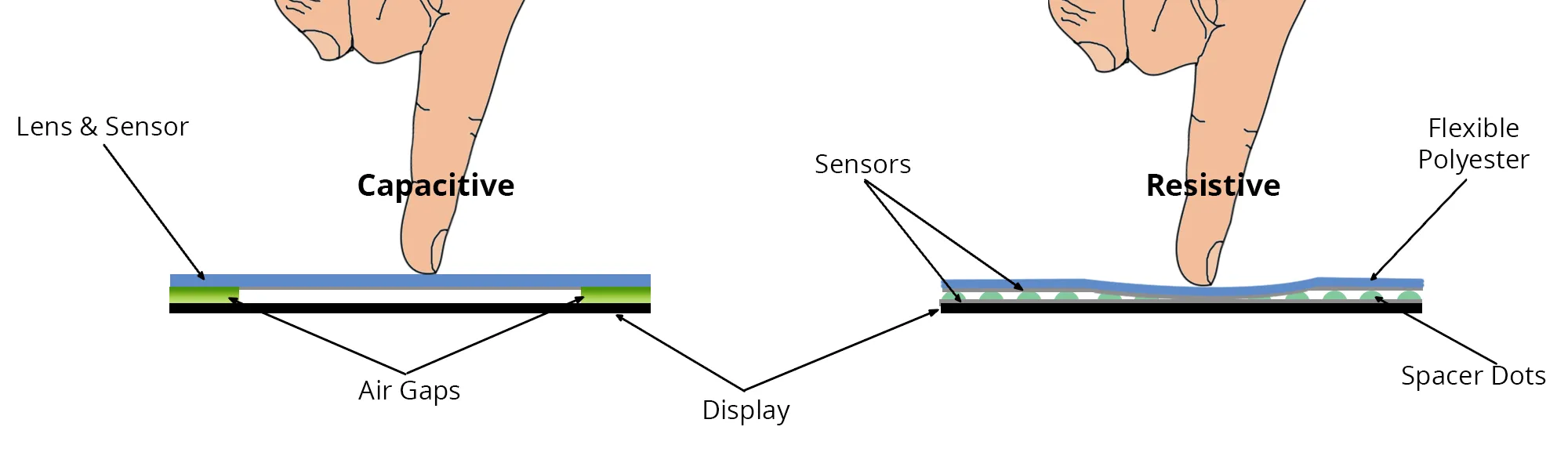
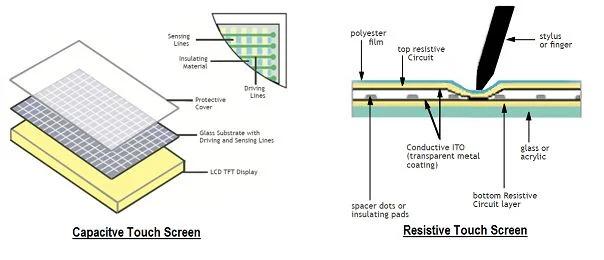
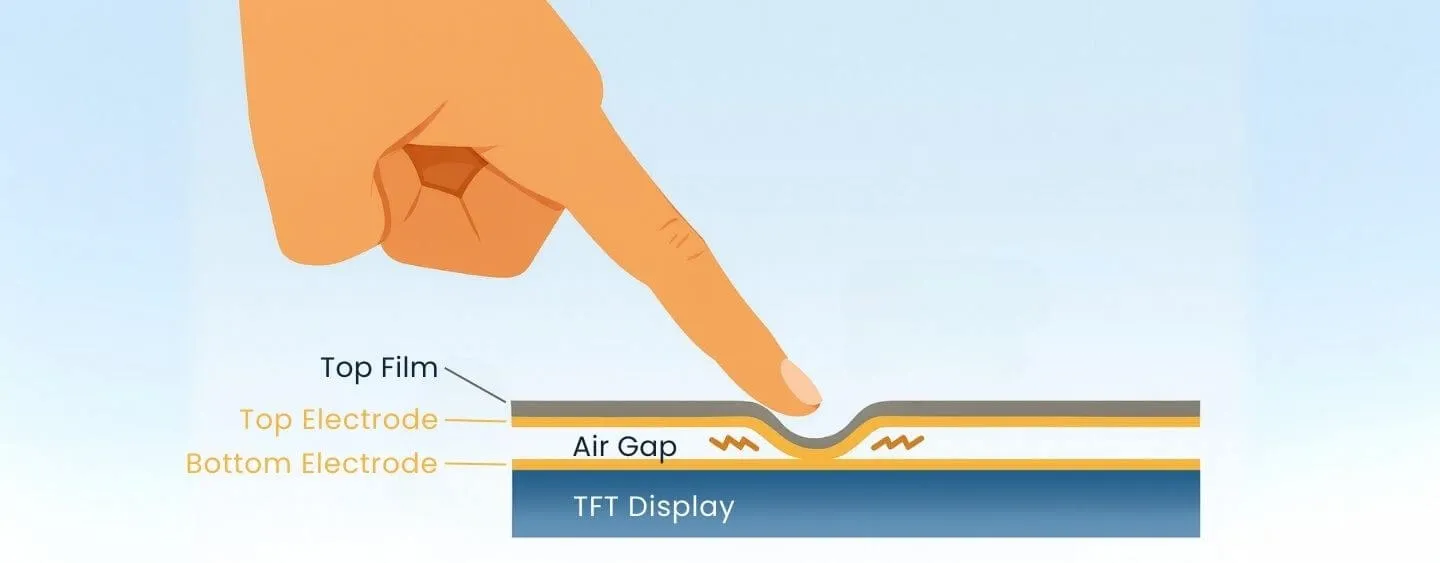
A few years ago, many smartphones shipped with a stylus; those devices used resistive touchscreens. A resistive touchscreen senses pressure. It works like a sandwich of two conductive layers separated by transparent insulating bumps. When a stylus or a fingernail presses the screen, the two conductive layers make contact and the controller calculates the touch position. Stylus tips can be any hard material, commonly plastic, and require pressing or dragging on the screen to register input.
Capacitive touchscreens and how they work
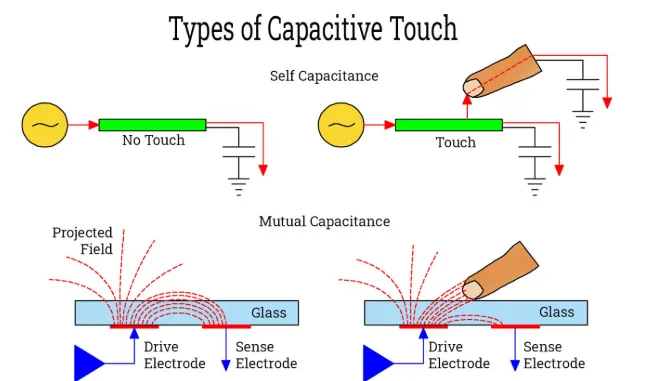
Most modern smartphones use capacitive touchscreens, operated directly with a finger. Capacitive touchscreens work by sensing conductivity. They rely on the body’s electric current; because the human body is roughly 70% water and can conduct electricity, a finger touching the screen draws some charge from the screen’s electrostatic field. The controller measures the change in charge and computes the touch location. Capacitive panels are typically 10–50% more expensive than resistive panels and enable multi-touch, which resistive panels cannot easily provide.
Why gloves prevent touch input
The practical difference between a finger that works and a glove that does not is conductivity. Insulating materials cannot interact with a capacitive touchscreen, so ordinary non-conductive gloves will not register touches. Commercial touchscreen gloves and passive styli use conductive soft rubber or other conductive materials on the surface to emulate a finger. In general, any soft conductive material can substitute for a finger; in some cases, moist fruit peels such as apple, orange, or grape skin can also trigger a touchscreen.
Effects of water on touch and fingerprint sensors
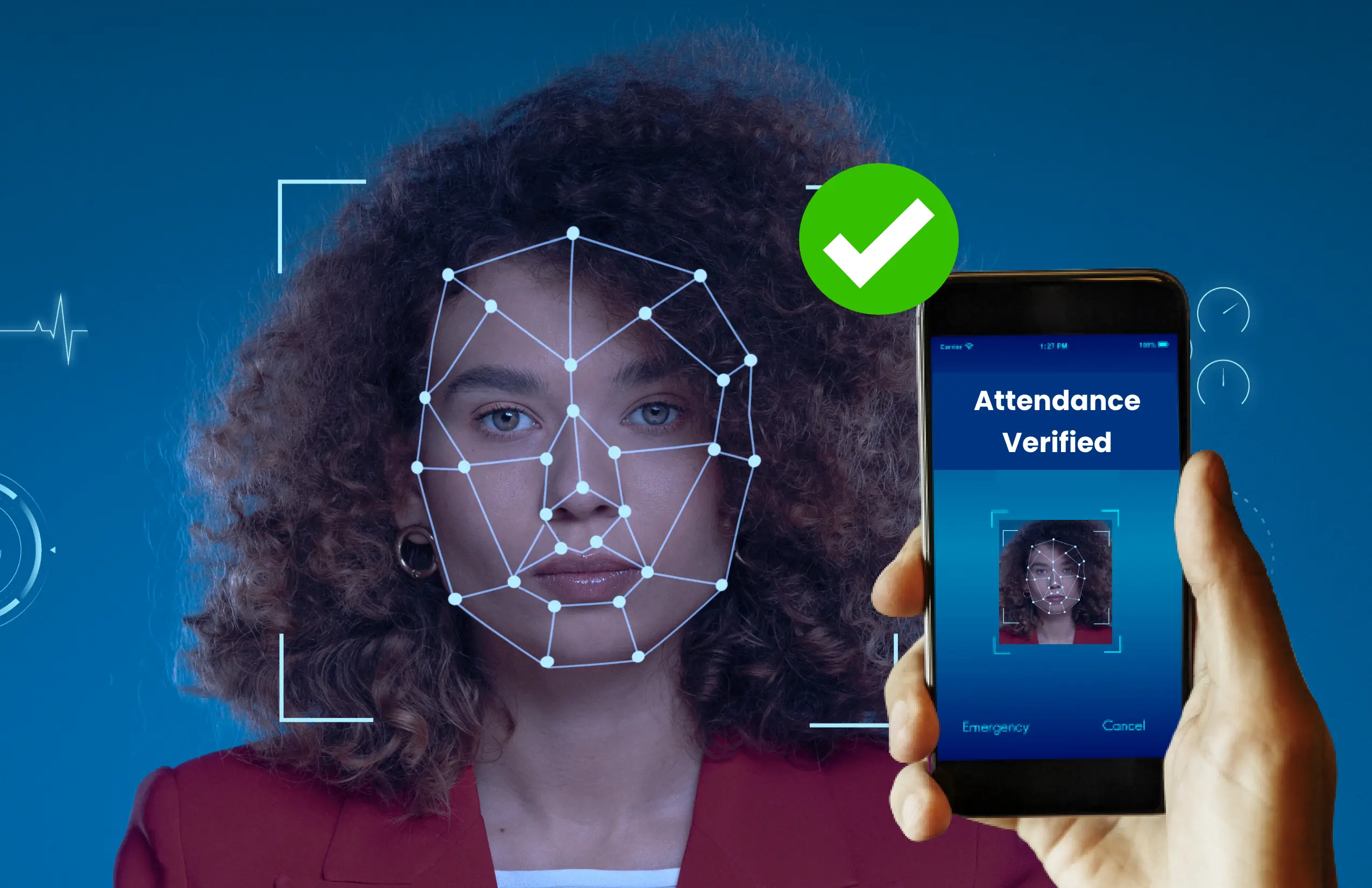
If the hand or the screen is wet, touch behavior becomes unreliable because water is conductive. To a capacitive sensor, water and a finger can look similar, which may cause touch drift. This also explains why capacitive fingerprint sensors are affected by water: the sensor beneath the fingerprint area is a capacitive sensor and operates on the same principle as the touchscreen, so water can make the fingerprint image inaccurate and fail matching. An ultrasonic fingerprint scanner can distinguish finger ridges from water and avoid that interference.