ALLPCB


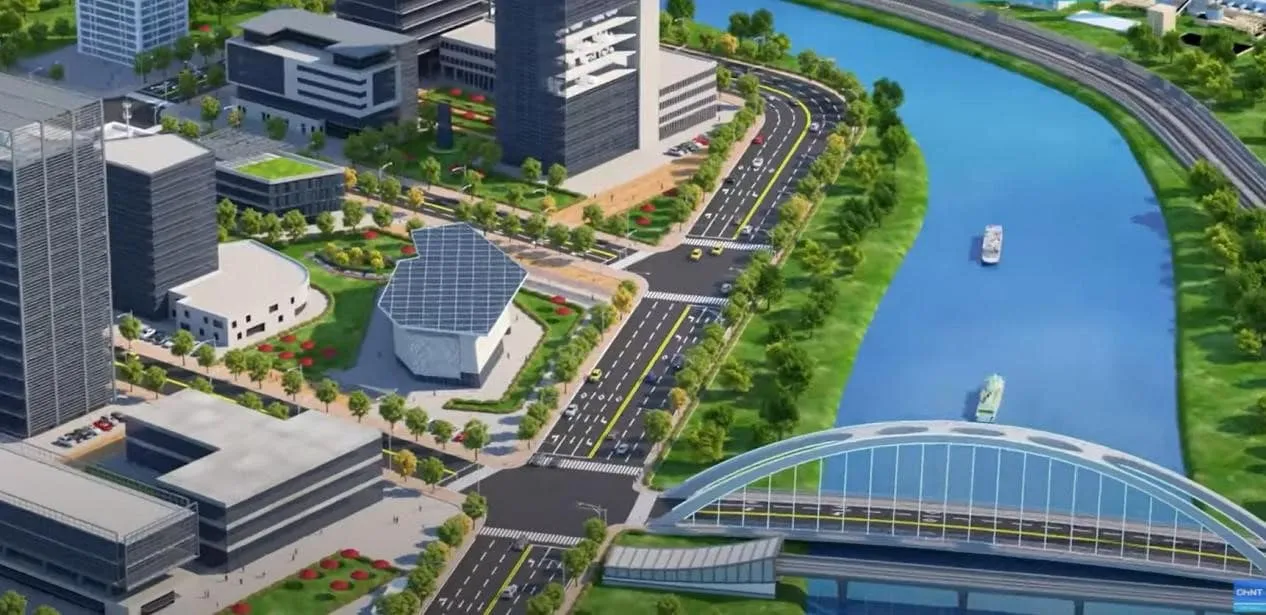
A smart park integrates intelligent systems into workplace and living environments to support economic activity and connected services. It combines data collection, communication networks, centralized computing, and automated processing to provide timely, integrated information sensing, transmission, and handling across a site.
1. Definition
A smart park is a development concept that integrates next-generation information and communication technology. It provides rapid data acquisition, high-speed data transmission, centralized computation, automated service handling, and ubiquitous service delivery, enabling interactive and integrated information processes within the site. The objective is to improve industrial agglomeration, enterprise competitiveness, and sustainable operation through innovation, green practices, intelligence, and connectivity.
2. Theoretical Framework
The core of constructing a smart park is the application of information technology and resource integration to embed intelligence into all aspects of development and operations. By innovating organizational structures and processes, a park can maintain sustainable development under competitive pressures and strengthen its operational capabilities over time.
3. Objectives
Smart park development must address diverse stakeholder needs. From the operator perspective, efficient management and energy?saving infrastructure are required. From the enterprise perspective, long?term growth depends on services such as company registration, accounting and tax support, and financing. From the employee perspective, a high-quality working environment and comprehensive living services are primary needs. Coordinated governance among government, operators, and enterprises is required to realize intelligent management, work, and living within the park.
4. Key Characteristics
With intelligence applied, a park moves beyond mere digitization to coordinate people, the site, and the surrounding city. A people-centered approach prioritizes human needs and inclusive digital development to improve life quality for park users.
The main technical characteristics are: comprehensive sensing, which uses sensing technology to interconnect data about people and objects and create ubiquitous information sources for seamless connection and coordinated action; and endogenous development, where the park establishes internal drivers for continuous innovation, self-adaptation, regulation, and optimization to support broader urban development.
5. Typical Solution Components
A typical smart park solution aims for safety, convenience, sustainability, and efficiency by applying cloud computing, the Internet of Things, big data, artificial intelligence, and 5G. It interconnects and integrates intelligent systems and business processes across the park to enable operational visibility and service automation. Typical capabilities include:
- Executive dashboards for operational situational awareness and analytics
- Platforms for leasing and tenant management
- Property management tools for equipment inspection, maintenance, and repair
- Access control and people/vehicle management
- Online services for tenants and individuals, including payments and service requests
- Visitor booking, access control for people and vehicles, and on-site navigation