ALLPCB


Overview
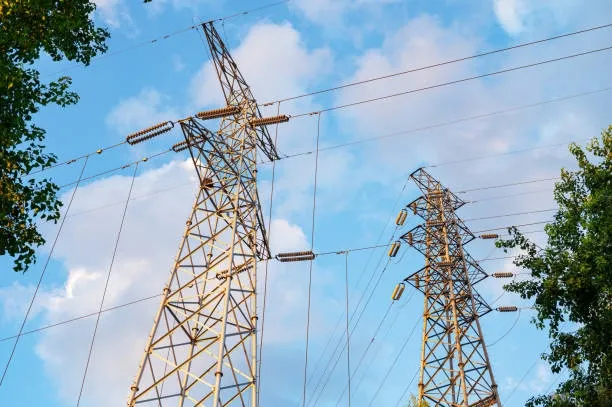
A smart grid is an intelligent power grid, sometimes called "power grid 2.0." Built on an integrated, high-speed, bidirectional communication network, it uses advanced sensing and measurement, device technologies, control methods, and decision-support systems to achieve reliable, safe, economical, efficient, and environmentally friendly operation and user safety. Key characteristics include self-healing, user engagement and protection, resilience to attacks, delivery of power quality to meet user needs, support for diverse generation sources, facilitation of electricity markets, and optimized asset operation.
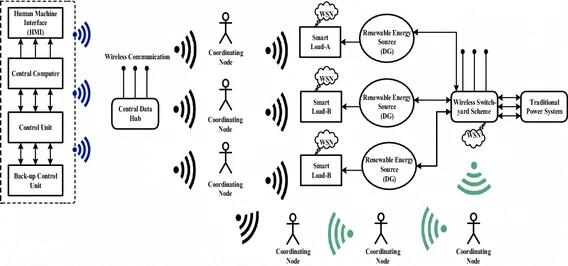
As a system based on information and communication technology and advanced control and optimization methods, a smart grid coordinates, controls, monitors, and optimizes the entire power network. It is a modern power system that integrates sensors, communication, data processing, and control technologies to monitor, regulate, and control various grid devices, thereby improving efficiency, reliability, and safety.
Key technologies
- High-speed, high-bandwidth communication: Modern communication technologies enable information exchange across all parts of the grid. This allows the smart grid to respond quickly to changes in power demand and to support efficient power delivery management and maintenance.
- Advanced measurement and sensing: Precise measurement and sensing technologies monitor and control load, power quality, and line voltage in real time. These capabilities help prevent overloads and voltage instability.
- Control and planning: Control and planning technologies provide accurate calculation, control, and scheduling of system operation to ensure stability, reliability, and efficiency.
- Renewable energy integration: The smart grid supports connection of renewable sources such as solar and wind, monitoring and adjusting power quality and system stability to enable secure integration.
Capabilities and system objectives
By integrating advanced technologies and algorithms with continuous data collection and analysis, the smart grid improves reliability, safety, and efficiency. It also supports the power sector's digital transformation and contributes to cleaner, more efficient energy systems.
The smart grid is built on the physical network of generation equipment, transmission and distribution networks, loads, and storage, and tightly integrates modern sensing, measurement, networking, communication, computing, automation, and intelligent control. It enables more precise power control, effective interconnection and mutual support of energy resources, and achieves observability (monitoring the state of all grid equipment), controllability (controlling the state of grid equipment), full automation (adaptive operation and self-healing), and system-level optimization between generation, transmission/distribution, and consumption. These features make the power system safer, cleaner, more efficient, and more economical.
Development status
The smart grid is a major trend in power system development and is still at an early stage globally. In 2009, China included smart grid development in its national strategy, aiming to build a flexible, responsive intelligent energy system based on upgrades to the existing grid. Smart grid technologies can help meet diverse user demands and achieve complementary energy optimization.