ALLPCB


Overview
IoT development and applications are now common across many industries. A smart grid is one form of IoT-enabled system.
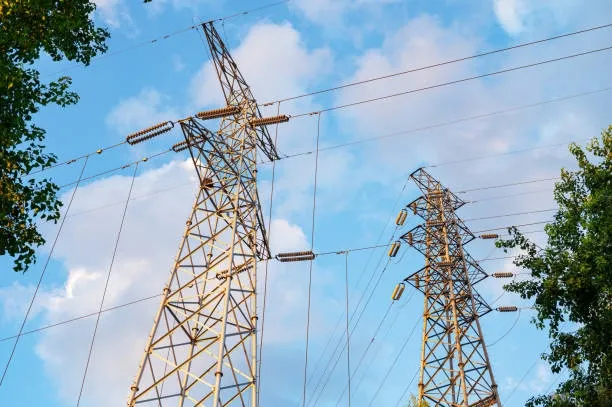
An electricity grid serves residents, businesses, and infrastructure in a city. A smart grid is the next generation of these energy systems, updated with communication technologies and connectivity to enable smarter resource use.
Technologies that make today's IoT-capable energy networks "smart" include wireless devices such as sensors, radio modules, gateways, and routers. These devices provide complex connectivity and communications functions, allowing consumers to make better energy-use decisions, helping cities reduce costs, and enabling utilities to restore power faster after outages.
City governments are moving toward smart grid technologies for several reasons, including the need to improve energy efficiency, provide better customer service, prepare for disasters, and replace aging, costly infrastructure. Advances in wireless, cellular, and RF technologies have also reduced costs and simplified deployment for smart grid applications.
Smart Grid in Practice
Businesses, services, and private residents all depend on the grid, so adopting smart grid technologies benefits the entire population, city services, and critical infrastructure. The examples below illustrate how smart grids affect urban operations.
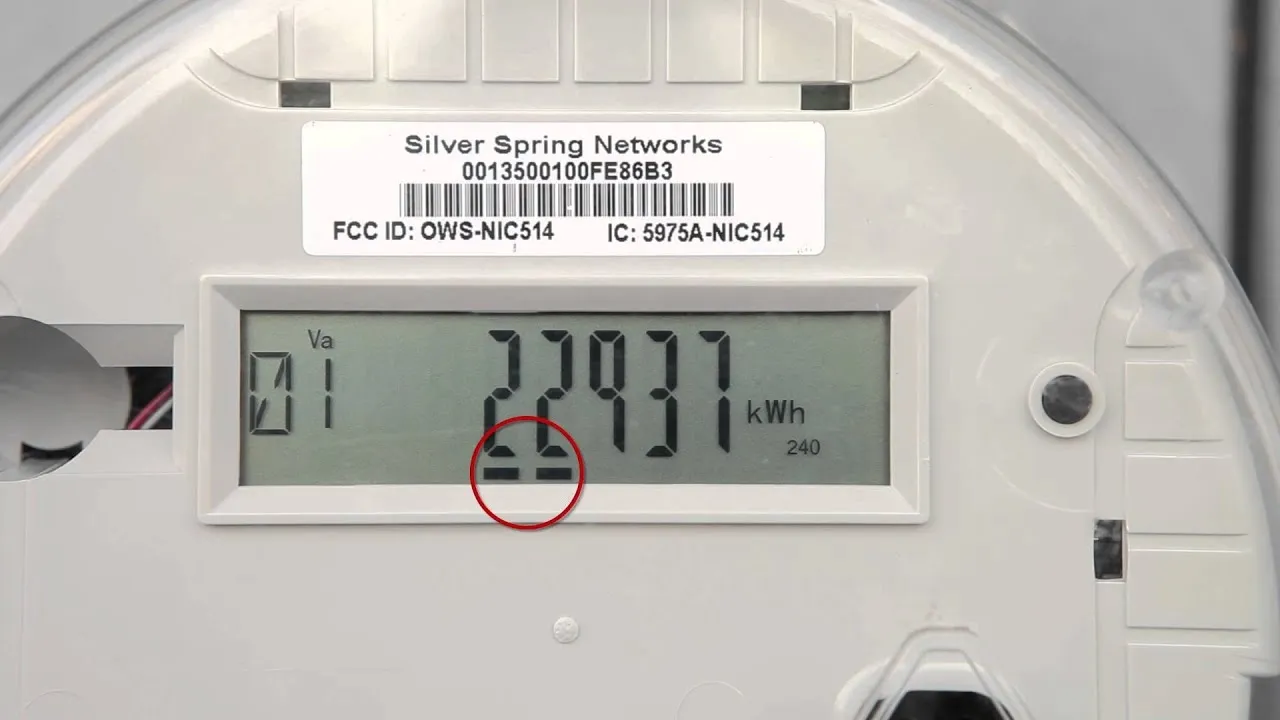
Smart grids allow utilities to assess system health in greater detail than before. For example, smart meters give utilities real-time, granular data on power demand that older technologies cannot provide. This enables better demand forecasting and faster responses to sudden load increases, helping to prevent outages.
In the event of an outage, IoT devices installed at transformers and substations using cellular and RF technologies can automatically reroute power. This speeds up restoration and reduces the need to dispatch crews for every outage.
Smart grids increase the resilience of power systems and improve preparedness for severe storms, earthquakes, large solar flares, and deliberate attacks. With two-way communication, the grid can automatically reroute power around faults.
How Smart Cities Adopt Smart Grid Technology
Smart city applications span street lighting, energy management, traffic management, water treatment, and wastewater management.
Sensors at traffic signals can send data to a central authority for decision making. Intelligent transport systems can manage road and public transit routing and lighting to reduce or eliminate congestion.
IoT sensors in streetlights can adjust on/off schedules and brightness based on real-time conditions. Small changes in wattage add up quickly across thousands of fixtures, delivering significant cost and environmental benefits. The same sensors can alert maintenance teams when a light needs repair, eliminating the need to wait for customer complaints.
With robust remote management, technicians can troubleshoot and resolve many issues remotely and determine whether a field visit is necessary. This reduces the costly on-site work that used to be required for firmware fixes or simple reboots.
Smart meters enable demand response by providing households and businesses with real-time price information so they can adjust energy use accordingly. For example, users can reduce air conditioning or adjust thermostats during high-price periods. Most smart meters also benefit electric vehicle owners by allowing them to charge when electricity prices are lower and avoid charging during peak demand.
Three Main Advantages of Smart Grids
Although smart grids offer many benefits, the following three examples highlight their primary value.
1. Integration of Renewable Generation
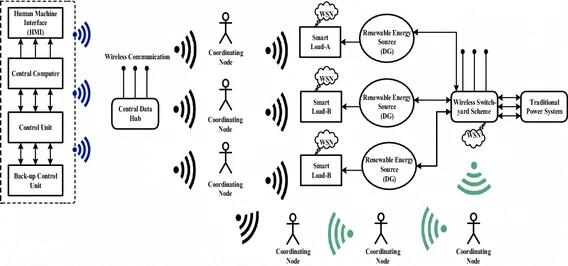
Traditional grids were designed to transmit power from large centralized plants to local networks of homes and businesses and were not built to accept inputs from rooftop solar panels or small wind turbines. Smart grids are designed to accept renewable inputs.
Combined with wireless-enabled smart meters, smart grids can track how much excess energy net-positive homes and businesses produce and compensate them accordingly. Smart grids also monitor solar panels and associated equipment.
Distributed generation reduces the impact of attacks or natural disasters on centralized plants. In a distributed model, multiple alternative energy sources, including wind and solar, can supply the grid even if a central plant is offline. This decentralized architecture is harder to take offline and provides resilience that a single plant cannot.
2. Better Billing and Forecasting
Smart meters provide two major benefits. First, they collect large volumes of data via wireless IoT devices that utilities previously did not have access to. Utilities can use this data to predict when and where demand will be high.
Second, for consumers, smart grids enable more accurate billing with time-of-use pricing. Users pay for energy consumed at higher rates during peak periods, and bills decrease when users shift or reduce consumption. This creates an incentive for responsible energy use.
3. Increased Resilience
Smart grid technologies enable automatic rerouting of power after an outage, significantly reducing disruption to homes and businesses. IoT sensors report equipment condition so maintenance can occur before failures happen. Utilities can proactively notify customers of issues through email or social media rather than waiting for customer reports.
Smart Grids as the Backbone of Modern Cities
Cities increasingly rely on renewable generation, and the infrastructure needed to integrate these sources depends on smart grids. As more households adopt electric vehicles that require charging, modernized grids become essential.
Looking Ahead
Smart grid technology can be summarized as a new grid with two-way communication. For the first time, consumers can access real-time billing information while utilities can better meet customer needs by handling demand spikes and managing outages. Smart grids are resilient, efficient, and environmentally beneficial, offering advantages to consumers, utilities, and the broader environment.