ALLPCB


Overview
After machines achieved touch and vision capabilities comparable to humans, the ability to accurately detect gases and odors and integrate with portable or wearable devices has become a focus in sensor research. A research team at ***Cheng Kung University, with funding from the Ministry of Science and Technology, developed an IC-based integrated gas sensor that the team reports can simultaneously measure five airborne pollutants and aims for high sensitivity, fast response, and low cost.
Team and sensor capabilities
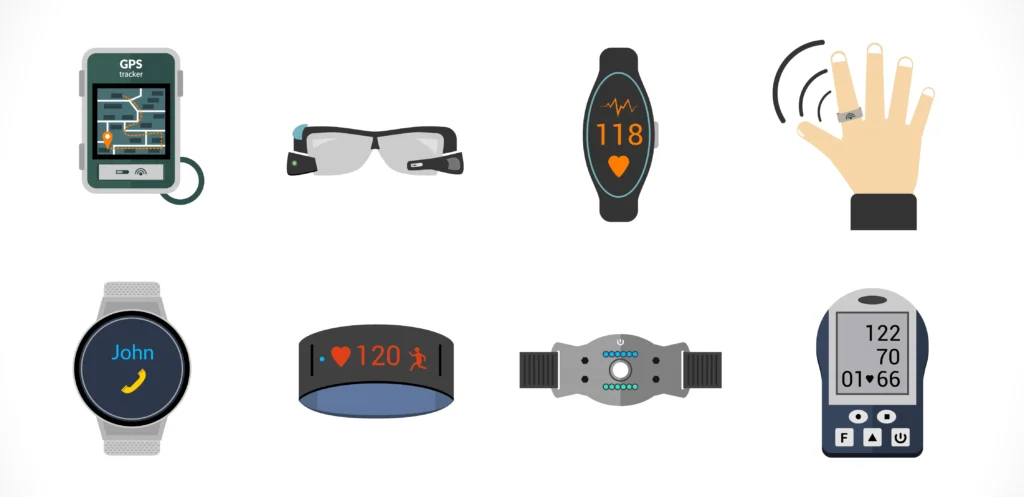
The project was led by professors Li Junzhang, Wang Zhenxing, and Zhang Shoujin, with a cross-disciplinary team spanning environmental biology, electrical engineering, and microelectronics. After four years of development, the device can detect five major air pollutants on a single element: volatile organic compounds (VOCs), formaldehyde, ozone (O3), carbon monoxide (CO), and carbon dioxide (CO2). The sensor is designed to integrate with IoT, cloud data analytics, and mobile apps to enable portable or wearable air-quality monitoring with real-time alerting. In addition to consumer air-quality monitors, the team collaborated with Cheng Kung University Hospital clinicians to develop a wearable detector specifically for asthma patients.
Asthma monitoring device
According to the World Health Organization, about 320 million people worldwide have asthma. The research team noted that noninvasive breath testing, similar to alcohol breath tests, can help assess lung health. By combining breath measurements with ambient air-quality data, the device can provide medication alerts to help prevent severe asthma attacks. Portable operation supports home care and self-monitoring, which may improve patients' quality of life.
The asthma device incorporates a thin-film sensor for detecting nitric oxide (NO) in exhaled breath, an established safety indicator for asthma. The thin-film sensor is reported to detect NO concentrations around 20 ppb ±5%. The device also includes a pressure sensor (capable of detecting 320 L/min ±5% breath pressure), a MEMS heater to raise thin-film temperature and stimulate gas-surface chemical reactions, and Realtek's Ameba IoT communications module. Data can be transmitted via Wi-Fi or Bluetooth to mobile phones or the cloud for long-term clinician and patient follow-up.
Clinical trials and commercialization
The research team stated the asthma detector has passed the Cheng Kung University Hospital IRB human trial procedure and is seeking further industry collaboration for commercialization. Beyond medical applications, the sensor is intended for public venues and consumer home or portable air-quality monitors. Professor Wang Zhenxing's team is responsible for developing a dedicated mobile application for the gas sensor, integrating the sensor system with IoT platforms, and building a cloud-based air-quality database to support regulatory compliance and future air-quality big-data services. The team also indicated the sensor can interface with home voice assistants or messaging services for notifications.