ALLPCB


In the fast-paced world of electronics manufacturing, ensuring the quality of printed circuit boards (PCBs) is critical. One of the most effective ways to achieve this is through X-ray inspection process control. By leveraging real-time defect analysis and X-ray data analysis, manufacturers can detect hidden issues, improve processes, and maintain high standards. At ALLPCB, we understand the importance of precision, and in this blog, we’ll explore how X-ray inspection transforms quality control with immediate feedback and actionable insights.
Whether you're looking to enhance process improvement with X-ray or establish a robust X-ray feedback loop, this guide will walk you through the benefits, techniques, and best practices of integrating X-ray inspection into your production line. Let’s dive into the details of how this technology can elevate your manufacturing process.
What Is X-Ray Inspection in PCB Manufacturing?
X-ray inspection is a non-destructive testing method used to examine the internal structure of PCBs without damaging them. Unlike traditional visual inspections, which only assess surface-level issues, X-ray technology penetrates the board to reveal hidden defects such as solder voids, misaligned components, or internal cracks. This makes it an essential tool for ensuring the reliability of complex, multi-layered boards used in modern electronics.
In the context of X-ray inspection process control, this technology allows manufacturers to monitor quality at various stages of production. By capturing detailed images of a PCB’s internal features, X-ray systems help identify issues that could lead to failures down the line, such as insufficient solder paste or improper reflow profiles. With this level of insight, manufacturers can address problems before they escalate, saving time and resources.
The Power of Real-Time Defect Analysis
One of the standout features of modern X-ray inspection systems is their ability to perform real-time defect analysis. This means that as soon as a PCB is scanned, the system processes the data and highlights potential issues instantly. For manufacturers, this capability is a game-changer because it allows for immediate decision-making on the production floor.
Consider a scenario where a batch of PCBs is being assembled. During the soldering process, a small void forms in a critical joint, which could lead to a failure in the field. With real-time defect analysis, the X-ray system detects this void as soon as the board is scanned, alerting operators to the issue. They can then adjust the soldering parameters—such as temperature or paste volume—before the defect affects more units. This rapid response can reduce defect rates by up to 40%, according to industry studies, and significantly cut down on rework costs.
Real-time analysis also supports high-speed production lines. Advanced X-ray systems can scan and analyze boards in seconds, ensuring that quality control keeps pace with manufacturing output. This efficiency is vital for industries like automotive or aerospace, where even a minor defect can have serious consequences.
Leveraging X-Ray Data Analysis for Process Improvement
Beyond detecting defects, X-ray inspection generates a wealth of data that can be used for X-ray data analysis. This data includes detailed measurements of solder joint quality, component placement accuracy, and even material density variations. By analyzing this information, manufacturers can identify patterns and root causes of recurring issues, leading to meaningful process improvement with X-ray.
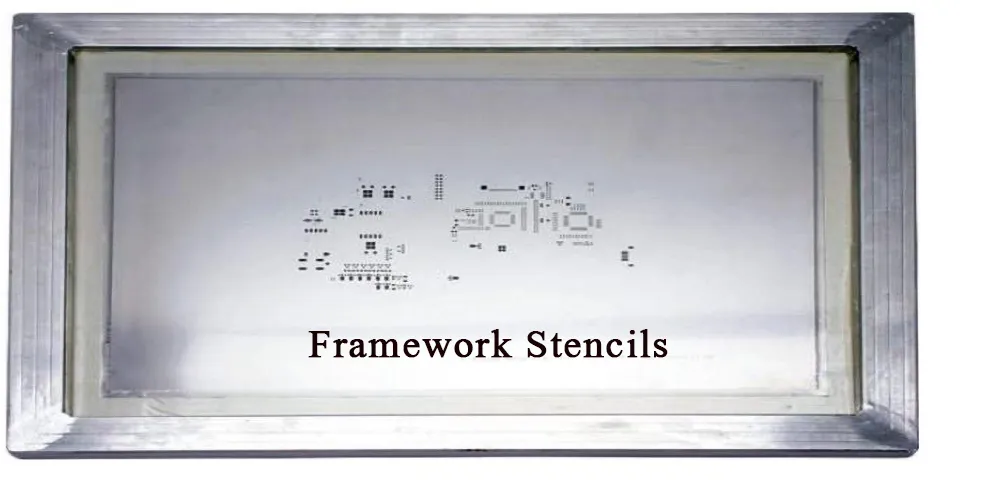
For example, if X-ray data reveals that 30% of boards in a batch have solder voids in a specific area, this could indicate a problem with the stencil design or paste application in that region. Armed with this insight, engineers can tweak the stencil aperture or adjust the printing pressure to eliminate the issue in future runs. Over time, such data-driven adjustments can boost yield rates by as much as 15-20%, depending on the complexity of the assembly process.
Additionally, X-ray data analysis helps in predictive maintenance. By tracking defect trends over time, manufacturers can anticipate when equipment might need calibration or replacement. This proactive approach minimizes downtime and ensures consistent quality, which is especially important for high-volume production environments.
Building an X-Ray Feedback Loop for Continuous Improvement
A key element of effective X-ray inspection process control is the establishment of an X-ray feedback loop. This loop involves collecting data from X-ray scans, analyzing it to identify defects or inefficiencies, and then feeding the insights back into the production process to make real-time adjustments. It’s a continuous cycle that drives ongoing improvement and maintains high quality standards.
Here’s how an X-ray feedback loop works in practice:
- Step 1: Scanning - PCBs are scanned using an X-ray system during or after key assembly stages, such as soldering or component placement.
- Step 2: Analysis - The system performs real-time defect analysis, flagging issues like misaligned components or insufficient solder.
- Step 3: Feedback - The data is sent to operators or automated systems, which adjust process parameters immediately to correct the issue.
- Step 4: Monitoring - Subsequent scans verify that the adjustments have resolved the problem, and the cycle repeats to catch any new issues.
This feedback loop is particularly effective in preventing defect propagation. For instance, if an X-ray scan detects a recurring issue with component alignment, the feedback loop ensures that the pick-and-place machine is recalibrated before more boards are affected. This can save thousands of dollars in scrap costs and prevent delays in delivery schedules.
Moreover, integrating the feedback loop with automated systems enhances its efficiency. Modern X-ray equipment can communicate directly with other machinery on the production line, enabling automatic adjustments without human intervention. This level of automation is ideal for maintaining consistency in large-scale manufacturing.
Key Benefits of X-Ray Inspection for Process Control
Implementing X-ray inspection as part of your quality control strategy offers numerous advantages, especially when focused on real-time defect analysis and process improvement with X-ray. Here are some of the most significant benefits:
- Enhanced Defect Detection: X-ray systems can identify hidden issues that optical inspections miss, such as internal solder voids or buried vias with poor connections. This ensures that even the most complex boards meet quality standards.
- Reduced Rework Costs: By catching defects early through real-time analysis analysis, manufacturers can avoid costly rework or scrap. Studies suggest that early defect detection can lower production costs by up to 25%.
- Improved Product Reliability: Thorough inspection and data analysis lead to more reliable PCBs, reducing the risk of field failures and enhancing customer satisfaction.
- Faster Production Cycles: With real-time feedback and automated adjustments, X-ray inspection minimizes delays caused by quality issues, keeping production on schedule.
- Data-Driven Decisions: The detailed data from X-ray scans supports informed decision-making, helping engineers optimize processes and prevent recurring defects.
These benefits make X-ray inspection an invaluable tool for manufacturers aiming to stay competitive in the electronics industry. At ALLPCB, we prioritize integrating such advanced technologies to deliver top-quality boards to our clients.
Challenges and Solutions in X-Ray Inspection
While X-ray inspection offers immense value, it’s not without challenges. Understanding these obstacles and how to address them is crucial for maximizing the effectiveness of X-ray inspection process control.
Challenge 1: High Initial Costs
X-ray systems can be expensive to acquire and set up, especially for small to medium-sized manufacturers. However, the long-term savings from reduced rework and improved yields often outweigh the initial investment. Additionally, partnering with a service provider that offers X-ray inspection as part of their manufacturing package can be a cost-effective solution.
Challenge 2: Training Requirements
Operating X-ray equipment and interpreting the data requires specialized skills. To overcome this, manufacturers can invest in training programs for their staff or rely on automated systems with user-friendly interfaces that simplify defect analysis.
Challenge 3: Integration with Existing Systems
Integrating X-ray inspection into an existing production line can be complex. Working with experienced providers who can customize solutions to fit your workflow ensures a smoother transition and effective implementation of an X-ray feedback loop.
Future Trends in X-Ray Inspection for PCB Manufacturing
As technology advances, X-ray inspection continues to evolve, offering even greater potential for process improvement with X-ray. Here are some emerging trends to watch:
- AI Integration: Artificial intelligence is being incorporated into X-ray systems to enhance defect detection accuracy. AI algorithms can learn from past data to predict and identify issues with greater precision, reducing false positives by up to 30%.
- 3D Imaging: Advanced X-ray systems now offer 3D imaging capabilities, providing a more comprehensive view of internal structures. This is particularly useful for inspecting densely packed boards with multiple layers.
- Automation: Full automation of X-ray inspection processes, including integration with other production equipment, is becoming more common. This streamlines workflows and supports high-volume manufacturing.
These innovations promise to make X-ray inspection even more effective, helping manufacturers achieve unprecedented levels of quality and efficiency. Staying ahead of these trends ensures that your production processes remain competitive in a rapidly changing industry.
Conclusion: Elevating Quality with X-Ray Inspection
In the world of PCB manufacturing, maintaining high quality is non-negotiable. By adopting X-ray inspection process control, manufacturers can leverage real-time defect analysis and X-ray data analysis to catch issues early, optimize processes, and ensure reliable products. The power of an X-ray feedback loop lies in its ability to provide continuous improvement, turning data into actionable insights that drive efficiency and reduce costs.
At ALLPCB, we’re committed to helping our clients achieve excellence through cutting-edge technologies like X-ray inspection. Whether you’re dealing with complex multi-layer boards or high-volume production, integrating this technology into your workflow can transform your quality control strategy. With the right tools and practices, you can stay ahead of defects and deliver electronics that meet the highest standards.
By focusing on process improvement with X-ray, you’re not just solving today’s challenges—you’re building a foundation for long-term success in electronics manufacturing.