ALLPCB


Introduction
Power supply circuits form the backbone of electronic systems, providing stable and reliable voltage and current to various components. For electrical engineers, designing a robust power supply using discrete PCB components offers flexibility and control over performance, cost, and customization. This article explores the intricacies of discrete component power supply design, covering both linear and switching power supply approaches. It also provides practical guidelines for selecting components for a power supply circuit and optimizing power supply PCB layout. Whether you are working on a low noise linear design or an efficient switching converter, understanding the principles and best practices ensures durability and efficiency in your projects. Let’s dive into the technical aspects of designing a linear power supply with PCB components and more advanced switching designs.
What Is a Power Supply Circuit and Why It Matters
A power supply circuit converts input power, often from an AC source or battery, into a regulated DC output suitable for electronic devices. Using discrete components, such as resistors, capacitors, diodes, and transistors, allows engineers to tailor the design to specific requirements. This approach contrasts with integrated solutions where functionality is embedded in a single chip. Discrete component power supply design is critical in applications requiring high precision, unique voltage levels, or operation in harsh environments where off the shelf solutions fall short.
The importance of robust power supply design lies in its impact on system reliability. Poorly designed supplies can introduce noise, voltage fluctuations, or thermal issues, leading to component failure or degraded performance. For electrical engineers, mastering both linear and switching power supply design using discrete components ensures systems meet stringent performance and safety standards, such as those outlined by IPC and IEC.
Technical Principles of Power Supply Design
Linear Power Supply Fundamentals
Linear power supplies provide a straightforward method for voltage regulation. They typically consist of a transformer, rectifier, filter capacitor, and a voltage regulator built from discrete components. The transformer steps down AC voltage, the rectifier converts it to DC, and the filter smooths out ripples. A series pass transistor or similar discrete element then regulates the output by dissipating excess power as heat.
This design is valued for low noise and simplicity, making it ideal for sensitive analog circuits. However, efficiency is often low, especially at high current levels, due to significant power loss in the regulator. Engineers must account for thermal management when designing a linear power supply with PCB components to prevent overheating.
Switching Power Supply Fundamentals
Switching power supplies offer higher efficiency by rapidly switching a transistor on and off to control energy transfer. Discrete components like MOSFETs, inductors, and diodes form the core of these circuits, often configured as buck, boost, or buck boost topologies. A feedback loop, typically involving a discrete comparator or error amplifier, adjusts the switching duty cycle to maintain output stability.
While switching power supply design using discrete components is more complex than linear designs, it excels in applications requiring high power density or wide input voltage ranges. The main challenge lies in managing electromagnetic interference (EMI) and ensuring stable operation under varying loads. Proper component selection and layout are crucial to mitigate these issues.
Selecting Components for a Power Supply Circuit
Choosing the right discrete components is foundational to a reliable power supply. Key considerations include voltage and current ratings, thermal characteristics, and compatibility with the circuit topology.
- Rectifiers and Diodes: For linear supplies, select diodes with adequate current capacity and low forward voltage drop. In switching designs, fast recovery diodes or Schottky types reduce switching losses.
- Transistors and MOSFETs: In linear designs, power transistors must handle significant heat dissipation. For switching supplies, MOSFETs with low on resistance and fast switching speeds improve efficiency.
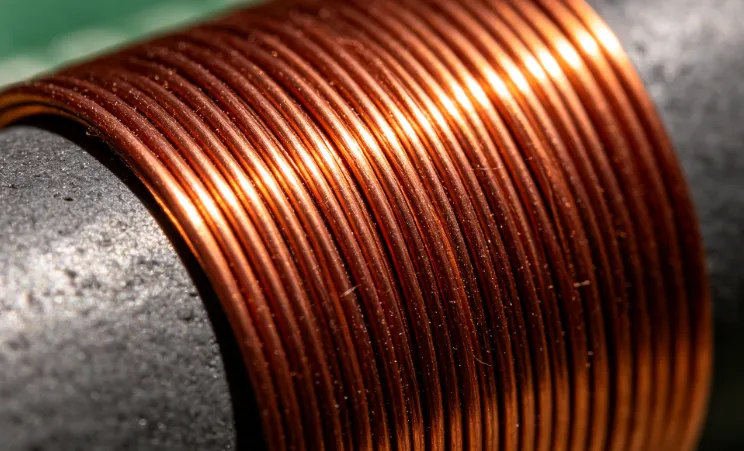
- Capacitors and Inductors: Filter capacitors in linear supplies need high capacitance and low equivalent series resistance (ESR). Switching designs require inductors with appropriate saturation current ratings to store and release energy effectively.
- Resistors: Use precision resistors in feedback networks to ensure accurate voltage regulation. Power resistors may be needed in linear designs to limit current or dissipate heat.
Always consult relevant standards, such as IPC 6012E, for guidance on component quality and reliability during selection. Derating components by operating them below their maximum ratings also extends lifespan and enhances circuit robustness.
Practical Solutions for Power Supply Design
Designing a Linear Power Supply with PCB Components
Start with defining the input and output specifications, including voltage, current, and ripple tolerance. Select a transformer with appropriate step down ratio and current capacity. Follow this with a full wave rectifier using discrete diodes to convert AC to DC. Add a large electrolytic capacitor to filter out ripple, ensuring it meets the load’s requirements.
For regulation, a discrete transistor based regulator circuit can be implemented. A Zener diode sets the reference voltage, while a pass transistor adjusts the output. Ensure the transistor can handle the power dissipation, and include a heat sink if necessary. Test the design under full load to verify stability and thermal performance.
Switching Power Supply Design Using Discrete Components
Begin by choosing a topology based on input to output voltage relationship, such as buck for step down or boost for step up conversion. Design the switching stage using a discrete MOSFET driven by a pulse width modulation (PWM) signal, often generated by a simple oscillator circuit built from discrete components.
Incorporate an inductor and output capacitor to smooth the switched waveform into a stable DC output. Use a feedback loop with discrete resistors and a comparator to adjust the PWM duty cycle, maintaining regulation. Pay attention to parasitic effects, as high frequency switching can amplify noise if not managed properly.
Power Supply PCB Layout Guidelines
Effective PCB layout is critical for both linear and switching power supply designs. Poor layout can lead to noise, instability, or thermal issues, undermining circuit performance. Adhering to industry standards like IPC A 600K ensures reliability and manufacturability.
- Minimize Loop Areas: In switching supplies, keep high current switching loops as short as possible to reduce EMI. Place the inductor, switching transistor, and diode close together.
- Separate Analog and Digital Grounds: For mixed signal designs, use separate ground planes for analog and digital sections to prevent noise coupling. Connect them at a single point near the power input.
- Thermal Management: Position heat generating components like regulators or power transistors away from sensitive areas. Use thermal vias or copper pours to dissipate heat, following guidelines in IPC 6012E.
- Decoupling Capacitors: Place decoupling capacitors close to power pins of active components to filter noise. Use multiple capacitors with different values for broadband filtering.
- Trace Width and Spacing: Ensure power traces are wide enough to handle current without excessive voltage drop or heating. Maintain adequate spacing to prevent arcing, as per IPC standards.
Troubleshooting Common Issues in Power Supply Design
Engineers often encounter challenges like output ripple, instability, or overheating during power supply design. For linear supplies, excessive ripple may indicate insufficient filtering. Increase capacitor value or add a secondary filter stage to resolve this. If the regulator overheats, verify the load current and consider a larger heat sink or forced air cooling.
In switching supplies, instability can arise from improper feedback loop design. Check the compensation network and adjust resistor or capacitor values to stabilize the loop. EMI issues often stem from poor layout. Review the switching loop and add shielding or ferrite beads if necessary. Always test under varying loads to ensure consistent performance.
Conclusion
Designing a robust power supply circuit using discrete PCB components requires a deep understanding of both linear and switching topologies. By carefully selecting components for a power supply circuit and following power supply PCB layout guidelines, engineers can achieve reliable and efficient designs. Linear supplies offer simplicity and low noise, while switching supplies provide high efficiency for demanding applications. Adhering to recognized standards like IPC 6012E ensures quality and performance. With the principles and best practices outlined, electrical engineers can confidently tackle discrete component power supply design challenges in their projects.
FAQs
Q1: What are the key considerations in discrete component power supply design for linear circuits?
A1: When designing a linear power supply with PCB components, prioritize low noise output and thermal management. Select diodes and transistors with appropriate current and voltage ratings. Use large filter capacitors to minimize ripple. Ensure the pass transistor can dissipate heat effectively, and follow standards like IPC 6012E for component reliability.
Q2: How does switching power supply design using discrete components improve efficiency?
A2: Switching power supply design using discrete components enhances efficiency by minimizing power loss through rapid on off switching of transistors. Discrete MOSFETs and inductors manage energy transfer effectively. This approach suits high power applications, reducing heat compared to linear designs, though it requires careful EMI management.
Q3: What are essential power supply PCB layout guidelines to reduce noise?
A3: To reduce noise, follow power supply PCB layout guidelines like minimizing high current loop areas in switching designs. Place decoupling capacitors near power pins. Separate analog and digital grounds, connecting them at one point. Use wide traces for power paths as per IPC A 600K standards for stability.
Q4: How do I go about selecting components for a power supply circuit to ensure durability?
A4: Selecting components for a power supply circuit involves matching voltage and current ratings to design needs. Derate components to operate below maximum limits. Choose capacitors with low ESR and inductors with suitable saturation currents. Refer to IPC 6012E for quality guidelines to ensure long term reliability.
References
IPC-6012E — Qualification and Performance Specification for Rigid Printed Boards. IPC, 2020.
IPC-A-600K — Acceptability of Printed Boards. IPC, 2020.