ALLPCB


Introduction
Refinements in water environment management have made water quality monitoring systems a key technical support for aquatic ecosystem protection. These systems integrate physical sensing, chemical analysis, and intelligent data transmission to capture water parameters in real time and provide feedback. The scientific basis of the measurement principles and the accuracy of parameter configuration directly determine the reference value of the monitoring results, while device performance determines feasibility across multiple deployment scenarios.
Monitoring Principles
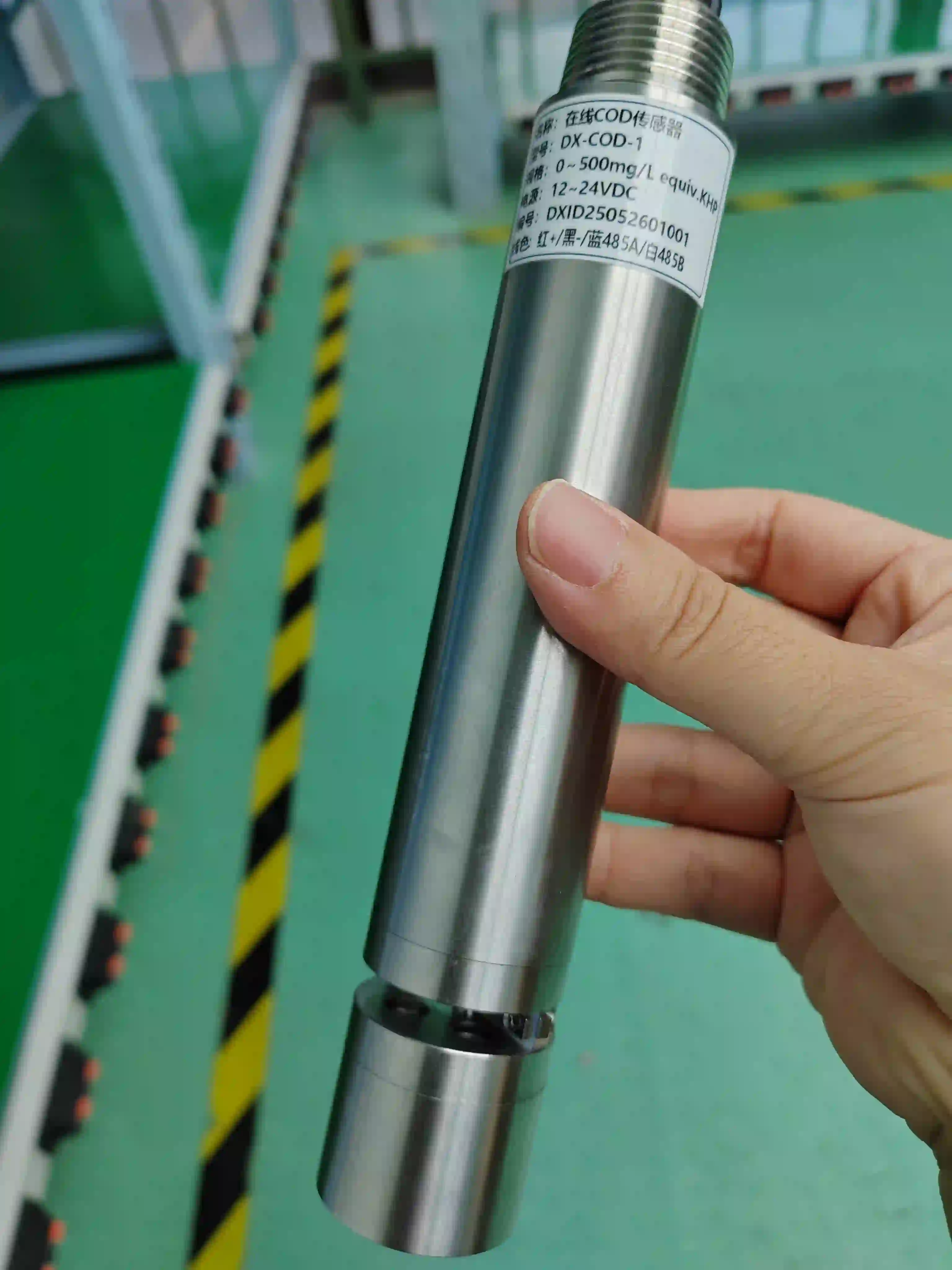
The core operating logic of water quality monitoring systems is described as "signal conversion and quantitative analysis". In essence, invisible indicators in the water such as pollutant concentration and acidity are converted into measurable electrical or optical signals and then translated into intuitive values via calibration curves. During operation, sensors contact the sample directly. The physical-parameter module senses water temperature through changes in thermistor resistance, uses 90-degree scattered light techniques to capture turbidity-related scattering intensity, and employs electrochemical sensors to infer dissolved oxygen from redox-generated current. For chemical parameters, glass electrode methods measure pH by selective response of a special glass membrane to hydrogen ions; the potential difference across the membrane is captured by the onboard chip and converted to a pH value. COD detection combines redox reactions and spectrophotometry: strong oxidants oxidize organic matter to colored products whose absorbance is recorded and used to infer organic pollution levels. Throughout the process, the embedded chip amplifies and filters raw signals, and calibrated values are output via a local display or cloud platform so the monitoring data can be used directly for water quality analysis.
Technical Specifications
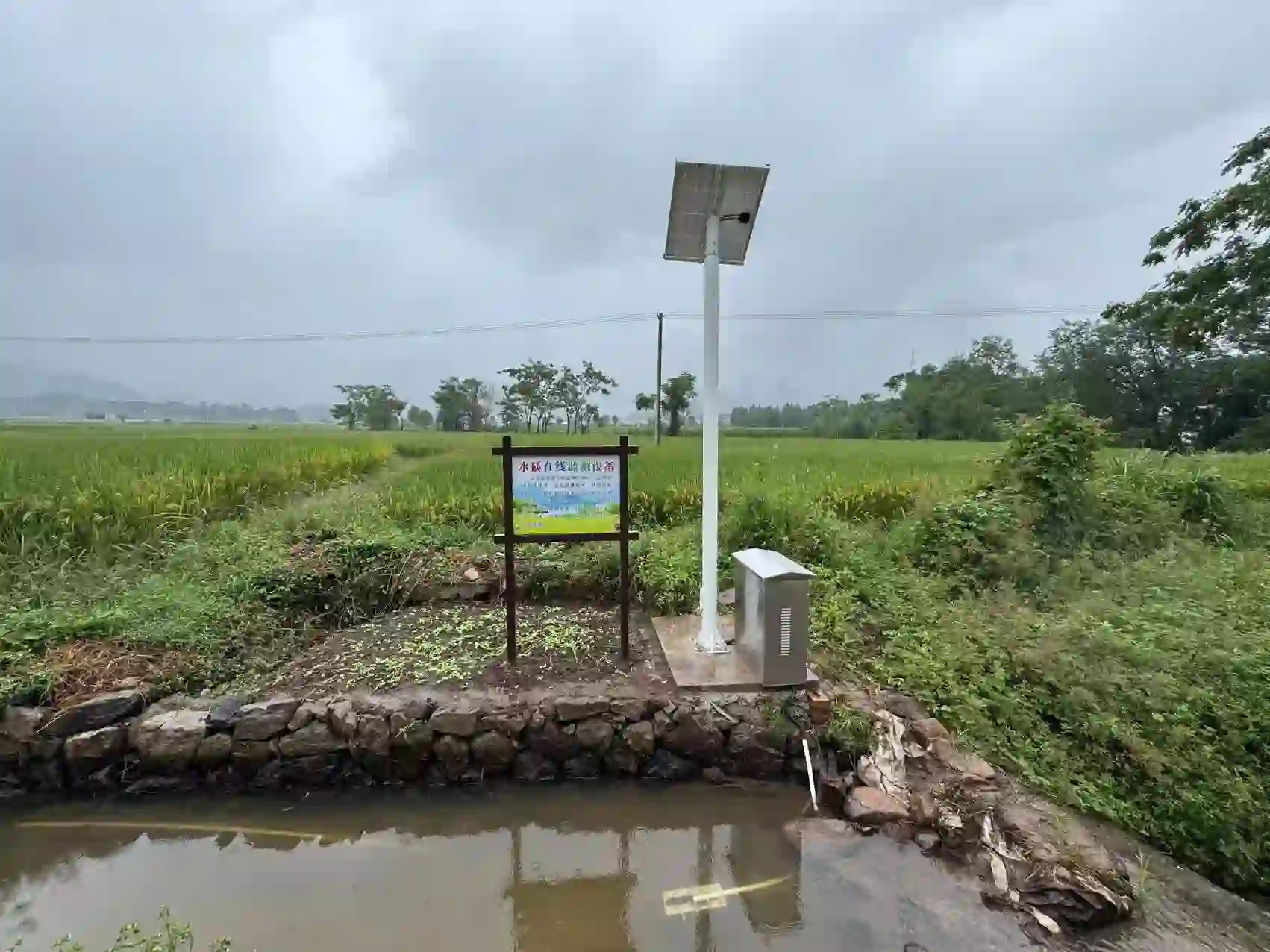
Parameter configuration must follow industry standards, and accurate calibration is essential to ensure data reliability. Typical five-parameter systems cover dissolved oxygen 0–20 mg/L, pH 0–14, conductivity 0–5000 μS/cm, turbidity 0–1000 NTU, and temperature 0–55 °C. Performance errors are tightly controlled: dissolved oxygen repeatability ±0.3 mg/L, pH zero drift ±0.1 pH, conductivity measurement error ±1.5%. Integrated monitoring stations extend these parameters to include ammonia nitrogen, residual chlorine, COD, ORP, TDS, suspended solids, and hardness. Sensor error ranges are generally kept within ±2%, and data update intervals can be configured for minute-level or hour-level reporting. Communication modules support 4G, BeiDou, and other wireless transmission methods, with transmission latency typically under 30 seconds. Environmental adaptation is also critical: stainless steel enclosures enable stable operation from -20 °C to 60 °C, a dual power mode of solar plus lithium battery allows continuous operation for roughly 20 days without mains power, and low-power design keeps standby consumption below 0.5 W.
Technical Advantages
These systems overcome the limitations of traditional laboratory testing. Environmental monitoring engineers consider real-time capability and automation to be key factors in improving water management efficiency. Online monitoring provides on-site detection and immediate results; in events such as industrial wastewater leaks, sudden changes in turbidity or conductivity can trigger rapid alerts, reducing the time to locate the pollution source to within two hours. Modular design simplifies sensor replacement and expansion, allowing technicians to add or remove measurement parameters without modifying the entire system. Diagnostic algorithms can automatically identify sensor faults and compensate for temperature effects on conductivity, achieving laboratory-grade accuracy. Unattended operation reduces labor costs, and the combination of solar power and IP68 protection enables continuous deployment in high-temperature, high-humidity, or salt-spray outdoor environments. Encrypted data transmission protocols protect monitoring data from tampering and unauthorized access.
Applications
Water quality monitoring systems are applied across industrial production, municipal water supply, and ecological protection, with functions tailored to each scenario.
In municipal drinking water supply, mobile monitoring networks deployed around source waters can issue timely alerts when indicators such as ammonia nitrogen exceed limits, helping protect public water safety.
For natural water body management, devices deployed in lakes and reservoirs continuously track dissolved oxygen and turbidity. Long-term data are used to assess eutrophication and inform algal bloom control and ecological restoration efforts.
In aquaculture, monitoring dissolved oxygen guides aeration operations and can reduce fish and shrimp mortality rates by around 20%.
At industrial parks, monitoring at wastewater discharge outlets enables continuous oversight. Environmental authorities use real-time data to detect illegal discharges and promote compliance with effluent regulations.
Conclusion
With ongoing advances in sensor technology, measurement accuracy and coverage for water quality monitoring will continue to improve, providing stronger technical support for refined water environment management.