ALLPCB


Overview
As power systems become smarter, digitalization of the electric grid is inevitable. Digital transformation supports operational and business-model changes for smart grid operators, energy value-chain integrators, and energy ecosystem service providers, and it accelerates development of a modern energy system that emphasizes cleanliness, low carbon, safety, and efficiency. These trends help advance the smart grid sector.
Definition
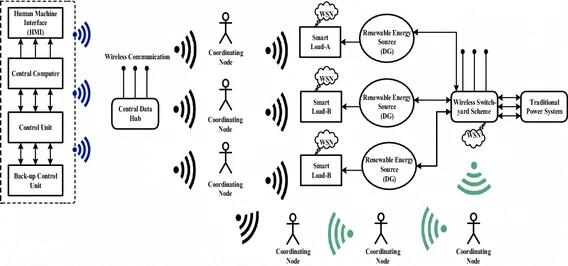
A distributed smart grid is a power system composed of multiple distributed small-scale generation units, loads, energy storage devices, and the flexible power networks that connect them, forming a dynamic system.
How it differs from traditional systems
Unlike traditional centralized power systems, a distributed smart grid consists of many small nodes. This results in greater flexibility, higher efficiency, and improved resilience.
Core concepts
At its core, a distributed smart grid is a distributed power system. Future distributed power systems will trend toward increased intelligence. The terms distributed energy system, distributed power system, and distributed smart grid should be understood as largely aligned in meaning. Key characteristics include an electricity-centric design, multi-energy integration, and intelligence. Distributed and centralized smart grids are complementary.
Structure and components
The form and structure of a distributed smart grid include the following elements:
- Multi-level power supply networks: The grid is formed by many small power sources, such as solar, wind, biomass, and micro-hydro. These sources are connected by flexible power networks to create a multi-tiered supply network.
- Customized energy storage: Various types of energy storage are required to manage load fluctuations and perform peak shaving and valley filling. Examples include batteries and microgrids, which enable real-time energy storage, management, and dispatch.
- Multi-party data exchange and coordinated computation: The system relies on aggregated and distributed data to assess grid conditions, apply coordination algorithms to analyze supply and demand, and use multi-party data exchange and digital-twin collaborative analysis algorithms to support management.
- Advanced technology support: Implementation typically leverages cloud computing, the Internet of Things, big data analytics, and artificial intelligence to optimize power management and data acquisition.
Conclusion
Distributed smart grids use distributed, small-scale generation and loads, feature flexible structures, and employ advanced technologies and algorithms to achieve resilient, intelligent, and efficient grid management. They have potential to support sustainable development in the power sector and a transition toward renewable-dominant energy systems.