ALLPCB


If you're looking for ways to apply solder paste without a stencil, you're in the right place. Stencil-free soldering methods like solder paste dispensing, jetting, manual application, and direct writing offer flexible solutions for PCB assembly, especially for prototypes or small-batch production. In this blog, we'll dive deep into these stencil-less soldering techniques, explore the best materials for solder paste, and provide practical insights to help you achieve reliable results.
Whether you're an electronics engineer, a hobbyist, or a manufacturer, understanding these methods can save time, reduce costs, and improve precision in your projects. Let’s explore the world of solder paste stencil-free techniques and materials to help you make informed decisions for your next PCB assembly.
What Is Stencil-Free Soldering and Why Use It?
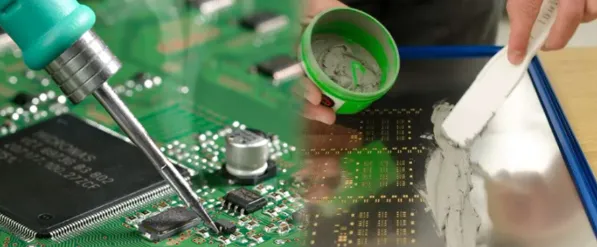
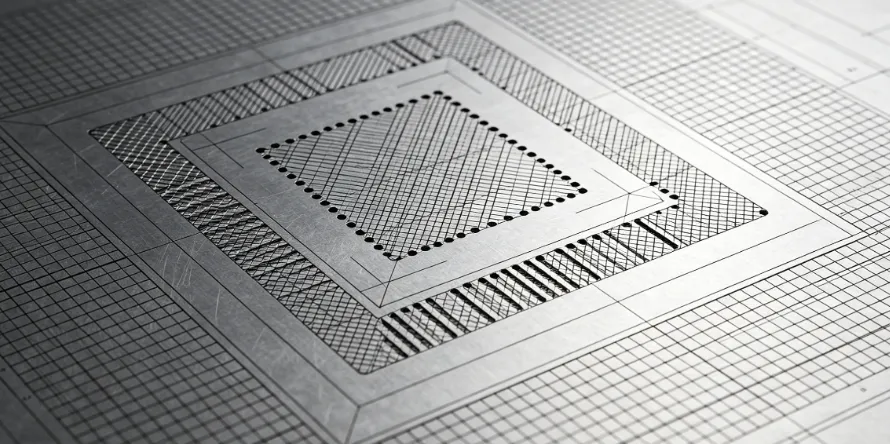
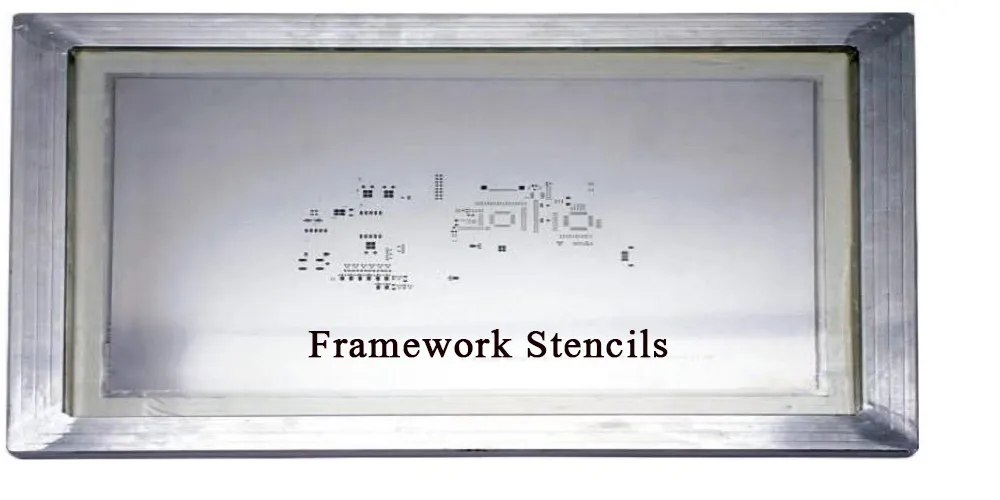
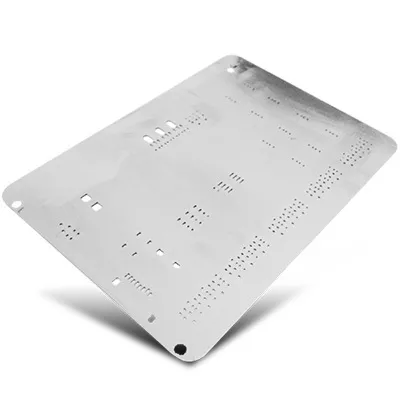
Stencil-free soldering refers to the application of solder paste to a printed circuit board (PCB) without using a traditional stencil. Stencils are commonly used in surface mount technology (SMT) to deposit solder paste onto pads with high precision. However, they can be costly and time-consuming to produce, especially for small runs or prototypes. Stencil-less soldering offers an alternative by using methods like solder paste dispensing, solder paste jetting, or solder paste manual application to place the paste directly where it's needed.
The benefits of stencil-free soldering include:
- Cost-Effectiveness: No need to order or create custom stencils for each design.
- Flexibility: Ideal for quick prototyping or designs with frequent changes.
- Precision for Small Batches: Allows targeted application for specific components or rework.
While stencil-free methods may not match the speed of stencil printing for high-volume production, they shine in scenarios where customization and adaptability are key. Let’s take a closer look at the primary techniques for stencil-less soldering.
Key Methods for Stencil-Free Soldering
There are several proven methods for applying solder paste without a stencil. Each technique has its own advantages, tools, and ideal use cases. Below, we’ll break down the most common approaches: solder paste dispensing, solder paste jetting, solder paste manual application, and solder paste direct writing.
1. Solder Paste Dispensing
Solder paste dispensing involves using a syringe or automated dispenser to apply solder paste directly onto PCB pads. This method is widely used in prototyping and rework because it allows for precise control over the amount of paste applied.
How It Works: A dispenser, often equipped with a fine needle, deposits small dots or lines of solder paste onto the board. Automated dispensers can be programmed for consistent results, while manual syringes are common for small-scale work.
Advantages:
- High precision for small components (e.g., 0402 or 0201 packages).
- Works well for mixed-technology boards with varying pad sizes.
- No stencil costs or lead time.
Challenges:
- Slower than stencil printing for large batches.
- Requires steady hands or automation for consistent results.
Best Use Case: Prototyping or small-batch production where flexibility is more important than speed.
2. Solder Paste Jetting
Solder paste jetting is a contactless method that uses a specialized machine to "jet" tiny droplets of solder paste onto specific locations on the PCB. This high-tech approach is gaining popularity in advanced electronics manufacturing due to its speed and accuracy.
How It Works: A jetting system uses pressurized air or a piezoelectric mechanism to shoot precise amounts of solder paste onto pads. The process is controlled by software, allowing for rapid application without physical contact with the board.
Advantages:
- Extremely fast and accurate, even for fine-pitch components (down to 0.3 mm pitch).
- No stencil required, reducing setup time.
- Can handle complex board designs with varying paste volumes.
Challenges:
- High initial equipment cost, often in the range of $50,000 to $100,000 for industrial systems.
- Requires technical expertise to program and maintain.
Best Use Case: Medium to high-volume production with complex designs or fine-pitch components.
3. Solder Paste Manual Application
Solder paste manual application is the simplest and most accessible stencil-free method. It involves using a small tool, such as a syringe or spatula, to manually place solder paste onto PCB pads.
How It Works: The user applies solder paste by hand, often using a syringe with a fine tip for better control. This method requires patience and a steady hand to ensure even application.
Advantages:
- Low cost, with basic syringes costing as little as $5 to $10.
- No specialized equipment needed, making it ideal for hobbyists.
- Great for quick repairs or one-off projects.
Challenges:
- Inconsistent results due to human error.
- Not suitable for fine-pitch components or large-scale production.
Best Use Case: DIY projects, repairs, or very small prototype runs where precision is less critical.
4. Solder Paste Direct Writing
Solder paste direct writing is an emerging technique that uses advanced tools to "write" or draw solder paste directly onto the PCB. This method is often associated with additive manufacturing and rapid prototyping technologies.
How It Works: A specialized printer or tool extrudes solder paste in precise patterns, guided by digital design files. This method is similar to 3D printing but adapted for electronics assembly.
Advantages:
- Highly customizable, allowing for unique paste patterns.
- Reduces material waste by applying paste only where needed.
- Supports rapid design iterations without stencil fabrication.
Challenges:
- Equipment can be expensive and less common in standard workshops.
- Slower than stencil printing for mass production.
Best Use Case: Innovative prototyping or research and development projects requiring custom solder paste patterns.
Choosing the Right Solder Paste for Stencil-Free Soldering
The success of stencil-less soldering depends not only on the application method but also on the type of solder paste used. Solder paste is a mixture of tiny metal alloy particles (usually tin, silver, and copper) and flux, which helps clean and prepare surfaces for soldering. Here are key factors to consider when selecting solder paste for stencil-free methods.
1. Particle Size
Solder paste comes in different particle sizes, typically categorized as Type 3, Type 4, or Type 5, with smaller numbers indicating larger particles. For stencil-free methods like solder paste jetting or dispensing, smaller particle sizes (Type 4 or 5) are preferred because they flow better through fine nozzles and provide better resolution for small pads.
- Type 3: Larger particles (25-45 μm), suitable for manual application.
- Type 4: Medium particles (20-38 μm), ideal for dispensing and jetting.
- Type 5: Small particles (15-25 μm), best for ultra-fine pitch components.
2. Flux Type
Flux in solder paste can be no-clean, water-soluble, or rosin-based. For stencil-free soldering, no-clean flux is often recommended because it leaves minimal residue and reduces post-soldering cleanup, which is especially helpful in manual or small-scale applications.
3. Alloy Composition
The most common solder paste alloy for electronics is SAC305 (96.5% tin, 3% silver, 0.5% copper), which offers a good balance of melting point (around 217°C) and reliability. Lead-free options like SAC305 are standard due to environmental regulations, but ensure the paste matches your reflow oven’s temperature profile.
4. Viscosity
For solder paste dispensing and solder paste jetting, choose a paste with appropriate viscosity. Too thick, and it won’t flow through the nozzle; too thin, and it may spread unevenly. Manufacturers often provide viscosity ratings (e.g., 800-1000 Kcps for dispensing) to guide selection.
Tips for Successful Stencil-Free Soldering
To achieve reliable solder joints using stencil-free methods, follow these practical tips:
- Store Solder Paste Properly: Keep solder paste refrigerated (typically at 0-10°C) to maintain its shelf life, which is usually 6-12 months. Allow it to reach room temperature before use to avoid condensation issues.
- Use the Right Tools: For manual application, use a syringe with a 22-25 gauge needle for fine control. For jetting or dispensing, ensure your equipment is calibrated for the paste’s viscosity.
- Control Paste Volume: Too much paste can cause bridging (short circuits), while too little can result in weak joints. Aim for a dot size of about 0.5-1 mm for small components like 0603 resistors.
- Work in a Clean Environment: Dust or debris on the PCB can interfere with solder paste adhesion. Use isopropyl alcohol and a lint-free cloth to clean the board before application.
- Reflow with Care: Follow the recommended reflow profile for your solder paste, typically involving a preheat stage (150-180°C for 60-90 seconds) and a peak temperature (around 240°C for 20-40 seconds).
Comparing Stencil-Free Soldering Methods
To help you choose the right stencil-free method for your needs, here’s a quick comparison:
| Method | Precision | Speed | Cost | Best For |
|---|---|---|---|---|
| Solder Paste Dispensing | High | Moderate | Low to Medium | Prototyping, Small Batches |
| Solder Paste Jetting | Very High | Fast | High | Complex Designs, Medium Volume |
| Solder Paste Manual Application | Low to Moderate | Slow | Very Low | DIY, Repairs |
| Solder Paste Direct Writing | High | Slow to Moderate | Medium to High | Innovative Prototyping |
Conclusion
Stencil-free soldering opens up a world of possibilities for PCB assembly, offering flexibility and cost savings for engineers and hobbyists alike. Whether you’re using solder paste dispensing for a quick prototype, solder paste jetting for precise fine-pitch components, solder paste manual application for a small repair, or solder paste direct writing for innovative designs, there’s a method to suit your needs. Pairing the right technique with a high-quality solder paste—considering factors like particle size, flux type, and viscosity—ensures strong, reliable solder joints every time.
By mastering these stencil-less soldering techniques, you can streamline your workflow and tackle a wide range of electronics projects with confidence. At ALLPCB, we’re committed to supporting your PCB assembly journey with resources and expertise to help you succeed. Explore these methods, experiment with different materials, and elevate your soldering game today!