ALLPCB


Overview
To help embedded developers advance their skills, FeiLing Embedded's educational brand ElfBoard released the second-generation embedded AI learning board, ELF 2. This article presents a product review by senior embedded engineer Lao Wen based on hands-on use of the ELF 2 learning board.
1. Hardware resources
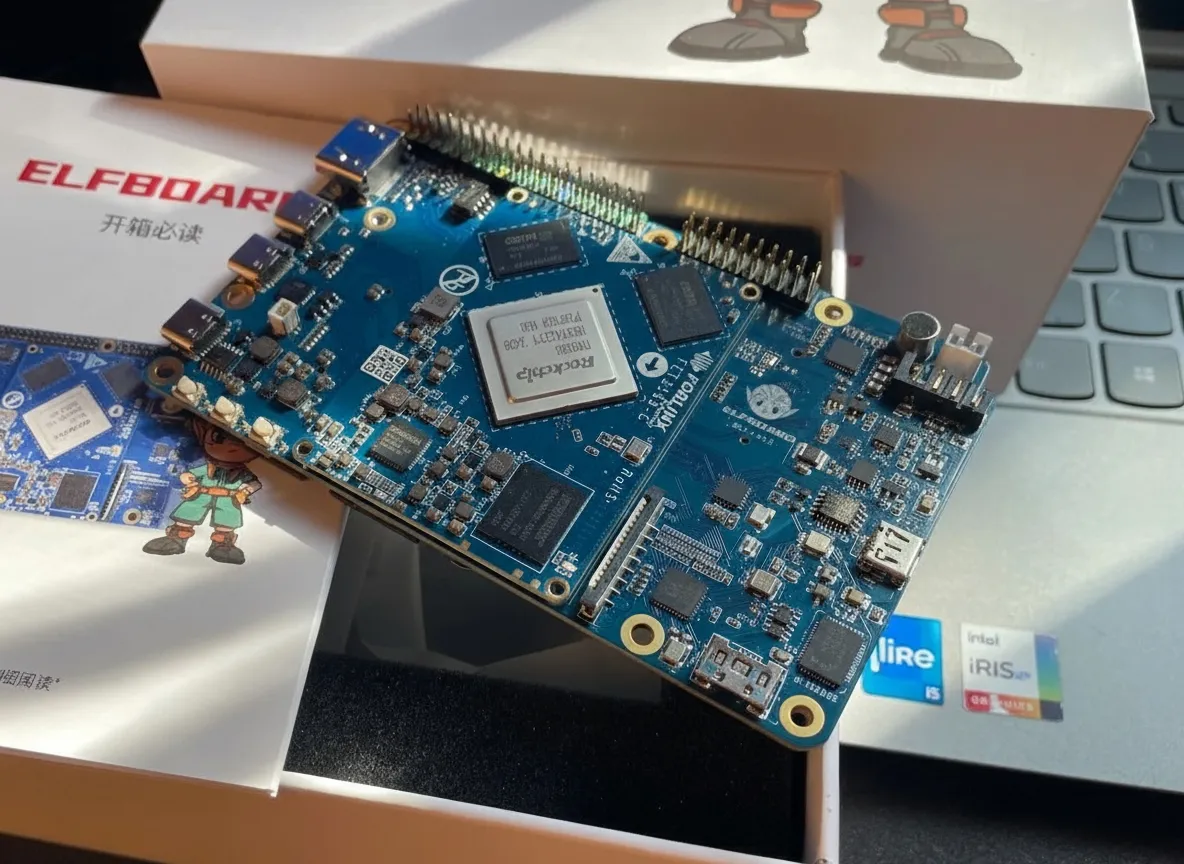
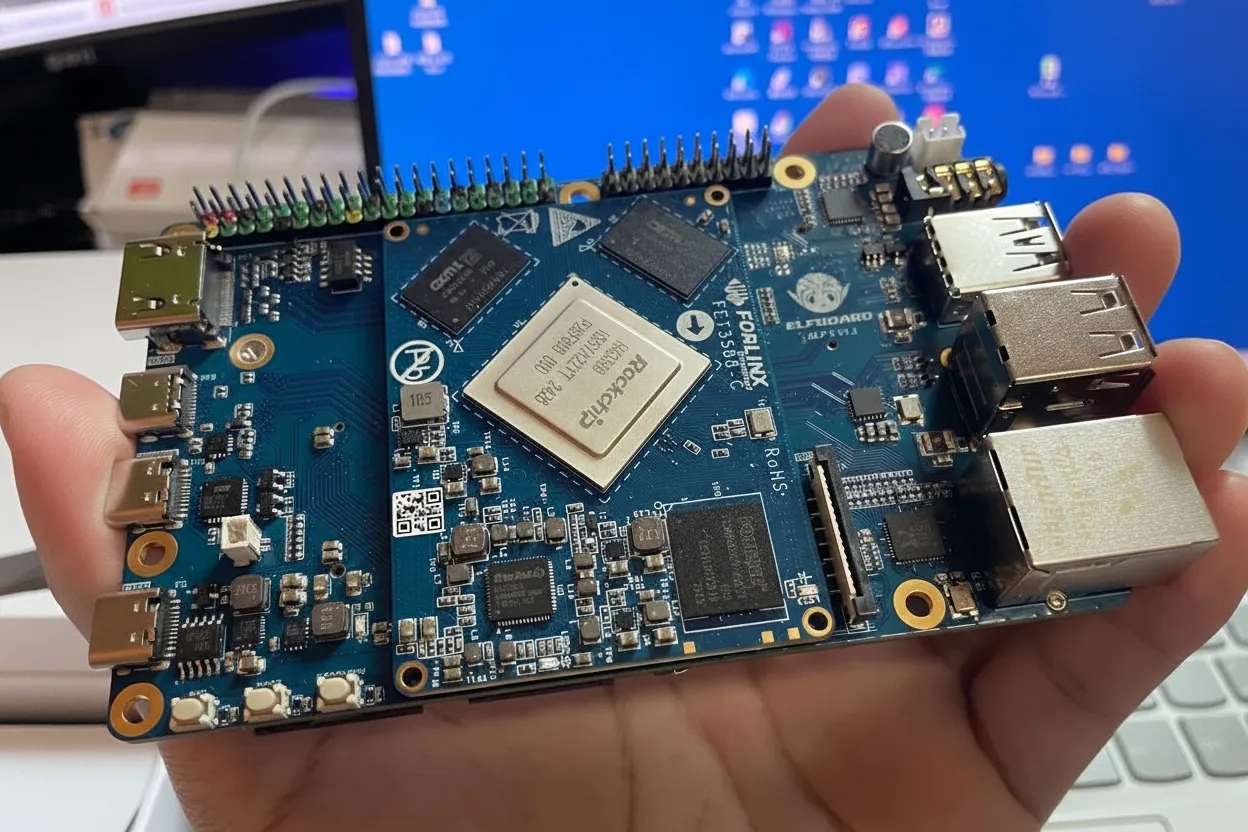
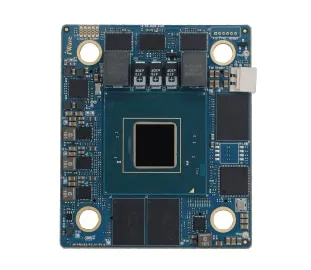
The ELF 2 learning board is built around the Rockchip RK3588 processor. The board uses a core module plus carrier board design, allowing the core module to be reused in other projects.
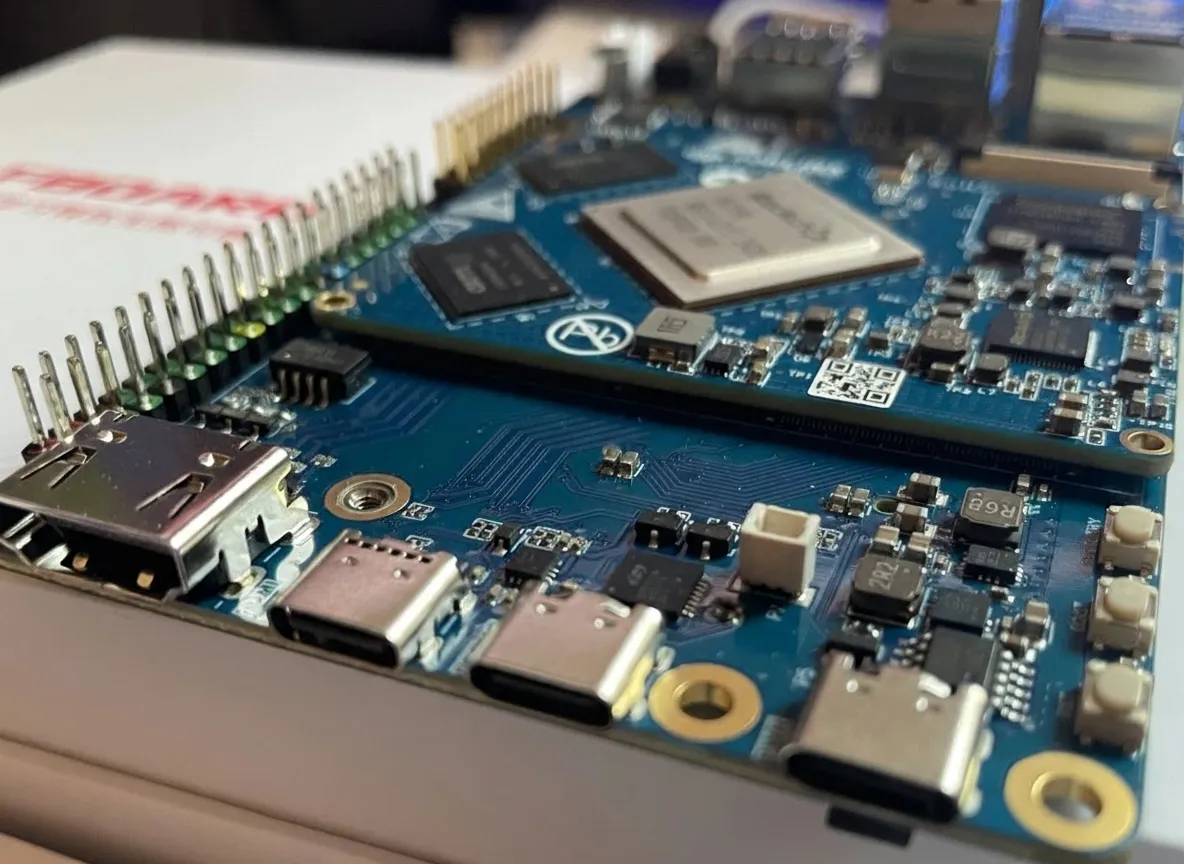
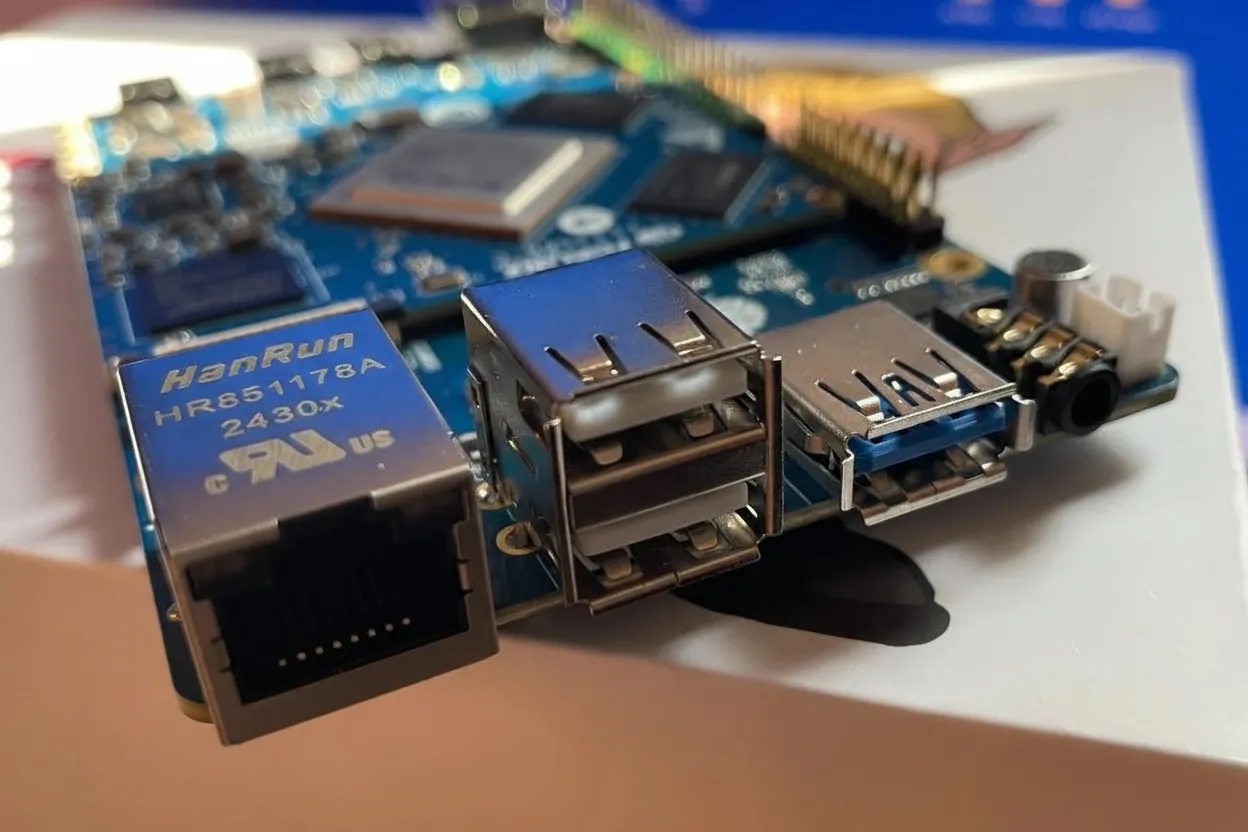
The carrier board is compact and focused on multimedia and embedded AI applications. It retains essential multimedia interfaces such as Gigabit Ethernet, HDMI, USB, codec audio, Raspberry Pi-compatible CSI, and MIPI-DSI.
The carrier board also includes two M.2 connectors for NVMe SSDs and Wi-Fi modules, which significantly expand storage capacity and network connectivity, effectively enabling a small desktop-like system.
A Raspberry Pi-compatible 40-pin expansion header and an additional 20-pin freely configurable header are provided, giving embedded DIYers room to design and attach expansion boards.
2. Documentation and resources
For a teaching-oriented development board, documentation is a critical factor. ELF 2 documentation is available on the official website with download links. Before acquiring hardware, developers can review the documentation.
The documentation structure is organized. The initial files, such as a quick-read guide for downloads and the ELF 2 product specification, introduce how to access resources and the board's specifications.
After downloading, developers are advised to read the "00-Before use" folder, which contains items like the embedded Linux learning roadmap and a documentation index. Some items, such as the selection manual, are still in progress.
The "01-Tutorials" folder contains core learning materials. The quick start guide helps users power up and boot the board. Foundational documents cover Linux basics and embedded interface knowledge and are recommended reading prior to deeper study.
Documentation is organized around four main areas: application development, system porting and driver development, hardware development, and embedded AI development.
- Application development: Includes Python, Qt, Shell programming, and system application development, covering common application development scenarios.
- System porting and driver development: Covers development environment setup, basic driver porting, common subsystem explanations, and filesystem construction. This area is more challenging and targets developers who need low-level system work.
- Hardware development: ELF 2 continues the previous board's approach by providing a detailed hardware tutorial that analyzes key circuit designs, addressing gaps in embedded hardware learning.
- Embedded AI development: Includes an entry-level embedded AI guide covering model training, deployment, deep learning frameworks, classic models, and using RKNN tools for model deployment.
3. Improvements and advantages
Areas for improvement
- Currently, available system images and tutorials are limited to embedded Linux and Ubuntu 22.04. Android and OpenHarmony materials and project-related content are still being prepared.
- The Raspberry Pi-compatible 40-pin header and the custom 20-pin header currently lack matched hardware modules and tutorials; these expansion modules appear to still be under development.
- The carrier board could benefit from dedicated mounting or latch interfaces for CPU heatsinks to simplify thermal module installation. The compact layout may limit options for additional screw holes without affecting routing.
- Price is a common concern for beginners and early learners; it is a consideration for potential users evaluating entry cost for learning hardware platforms.
Key advantages
- Compact size and high expandability. With its hardware reliability-oriented design, the ELF 2 can be embedded into hardware products such as digital signage, industrial PCs, and edge servers. With a case and an SSD, it can serve as a small desktop system.
- High-value hardware design and embedded AI tutorials. The documentation includes a comprehensive hardware design guide, supporting software engineers who need basic hardware knowledge for practical debugging. Embedded AI materials guide developers through deploying and running deep learning models on the platform.
- Rich multimedia interface set. The board supports HDMI, USB DisplayPort, and MIPI-DSI for display (allowing multiple simultaneous displays), two MIPI-CSI camera inputs, Gigabit Ethernet, and codec audio—interfaces are clearly oriented toward multimedia applications.
- Comprehensive application development tutorials. Materials cover embedded Linux system programming, Qt applications, Shell scripting, and Python programming, enabling developers to begin from application-level development before tackling more difficult multimedia drivers.
Overall, the ELF 2 is a high-performance learning board aimed at embedded Linux developers who have completed basic training. The documentation emphasizes embedded AI and multimedia techniques, enabling the RK3588 processor to be applied effectively. Its small footprint and commercial-grade reliability make it suitable for embedding into other products, while the Raspberry Pi-compatible 40-pin header supports DIY expansion.
4. Photos
Photos were taken with a mobile phone and are non-professional.