ALLPCB


Overview
In deep mountains during field exploration, on sports fields for event support, and between crop rows in agricultural production, accurate real-time meteorological data is often critical for decision making. Traditional fixed weather stations are limited by installation conditions and cannot cover these dynamic scenarios. Portable weather stations, being compact, flexible, and ready to use, act as mobile meteorological assistants and provide precise meteorological data for multiple fields.
Core principle: a compact meteorological sensing loop
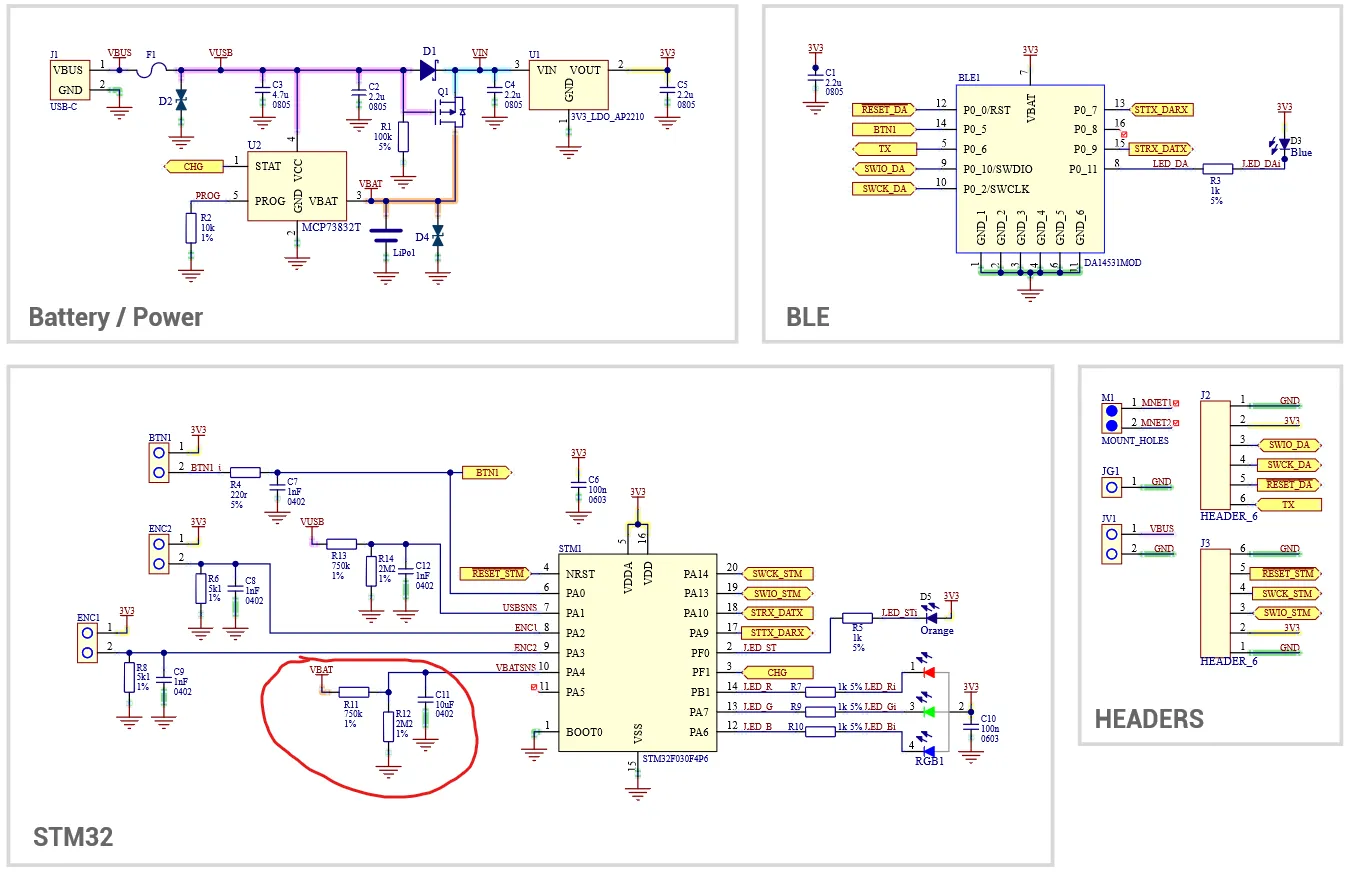
Despite their small size, portable weather stations replicate the core logic of meteorological monitoring and form a closed loop of data acquisition, transmission, processing, and output. The system integrates multiple miniature sensors to capture atmospheric parameters such as temperature, humidity, pressure, wind speed, wind direction, and precipitation. Sensor signals are converted and preprocessed by a data acquisition module, then transmitted to end devices such as smartphones, tablets, or laptops via wireless communications (for example, 4G, Bluetooth, LoRa) or wired connections. Dedicated software performs data parsing, storage, and visualization, and some devices support offline storage to prevent data loss.
Compared with conventional stations, portable units use targeted accuracy control techniques. Sensor calibration algorithms reduce environmental interference, and dynamic compensation adapts measurements across temperature and humidity ranges to meet industry-standard accuracy in mobile conditions.
Core components: compact yet capable hardware matrix
- Miniature sensor array: The sensor array is the system's sensing element and is typically produced using microelectromechanical systems (MEMS) technology. Sensor nodes can be as small as a coin and are configurable by application. Agricultural deployments emphasize soil temperature and moisture sensors and photosynthetically active radiation sensors. Outdoor exploration emphasizes wind and pressure sensors. Event support requires precise temperature and humidity sensors. Higher-end models may include PM2.5, ultraviolet, and other environmental monitoring modules.
- Data acquisition and communication module: Serving as the system hub, this module integrates a low-power processor and a multimode communication chip. It enables high-frequency data sampling (up to 1 sample per second) and selects communication modes according to the scenario: Bluetooth for short-range connection to a phone, 4G to upload to cloud platforms, and LoRa for long-range mesh networking in remote areas.
- Portable power and mounts: Power is typically provided by high-capacity lithium batteries supporting 8–12 hours of continuous operation. Solar charging panels can be added for extended field use. Mounts are lightweight and foldable with adjustable heights, allowing quick fixation to the ground, a table, or a tripod to suit varied terrain.
- Terminal and software: Accompanying apps or PC software provide real-time data charts, historical data export, and threshold alarms. When meteorological parameters exceed preset limits (for example heavy rain or strong wind), alerts are issued via SMS or app push to support timely emergency response.
Applications: meteorological support across domains
Portable weather stations are valuable where devices must be adapted to local conditions. Their flexible deployment makes them essential in multiple fields.
In emergency response, fixed stations are often damaged after events like earthquakes or floods. Portable weather stations can be rapidly deployed to disaster areas to monitor temperature, wind speed, and precipitation, providing meteorological data to guide rescue routes and the setup of temporary shelters while helping to avoid secondary hazards.
In agriculture, growers can take devices into fields to monitor temperature, humidity, and light conditions across different plots. Coupled with crop growth models, these data inform irrigation and fertilization strategies to enable precision agriculture and improve yield and quality.
For outdoor events and expeditions, activities such as marathons and mountaineering are highly sensitive to weather. Organizers deploy portable weather stations to obtain route-specific conditions in real time and issue timely warnings for heat, strong wind, or other hazards to protect participants.
Additionally, these systems support geological prospecting, environmental monitoring, and scientific fieldwork, serving as indispensable meteorological tools in mobile scenarios.