ALLPCB


Introduction
With rapid advances in information technology, fifth-generation mobile communication technology (5G) is delivering enhanced mobile broadband (eMBB), massive machine-type communications (mMTC), and ultra-reliable low-latency communications (uRLLC). At the same time, evolution of wireless devices such as smartphones has increased public attention to potential health effects from electromagnetic radiation. Regulatory authorities require that electromagnetic exposure from wireless devices meet safety standards before devices enter the market.
What is SAR?
SAR stands for Specific Absorption Rate. It represents the ratio of electromagnetic energy absorbed by a body from an external electromagnetic field. Under an external field, the human body develops induced fields and currents; because tissues are lossy media, energy is absorbed and dissipated. In bioelectromagnetics, SAR quantifies this process. Simply put, SAR is the electromagnetic power absorbed or dissipated per unit mass of biological tissue per unit time. Its unit is W/kg, sometimes expressed as mW/g.
Which products require SAR testing?
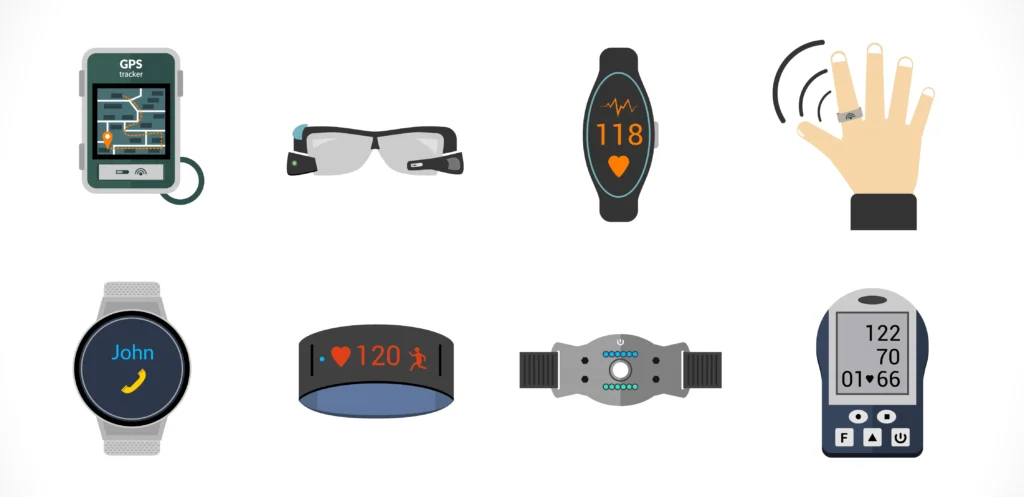
Devices with transmitting antennas located within 20 cm of the human body and with transmit power exceeding SAR exemption limits require SAR testing. Besides mobile phones, common devices include two-way radios, tablet computers, laptops, USB dongles, point-of-sale terminals, cordless phones, and similar wireless products.
Standards and Limits
China's SAR test standard is YD/T 1644, "Assessment procedures for SAR of handheld and body-worn wireless communication devices used close to the ear (frequency range 300 MHz to 3 GHz)". That standard specifies the phantom models, measurement instruments, probes, tissue-equivalent liquids, mechanical arms, and measurement and calculation methods used in the measurement system. For type approval testing, the SAR limit is based on a 10 g averaging mass, with a limit of 2.0 W/kg.
Selected SAR standards and limit requirements used in other regions are listed below.
| Region | Measurement standards | Limit | Averaging mass |
|---|---|---|---|
| European Union (CE) | EN 50360, EN 62209, EN 62311, EN 50566 | 2.0 W/kg | 10 g |
| North America (FCC) | ANSI C95.1, IEEE 1528, 47 CFR 2.1093, KDB files, TCB files | 1.6 W/kg | 1 g |
| Canada (IC) | IEEE 1528, RSS-102, EN 62209 | 1.6 W/kg | 1 g |
| India | ANSI C95.1, IEEE 1528, 47 CFR 2.1093, KDB files, TCB files | 1.6 W/kg | 1 g |
| Thailand | EN 50360, EN 62209, EN 62311, EN 50566 | 2.0 W/kg | 10 g |
DASY8 Overview
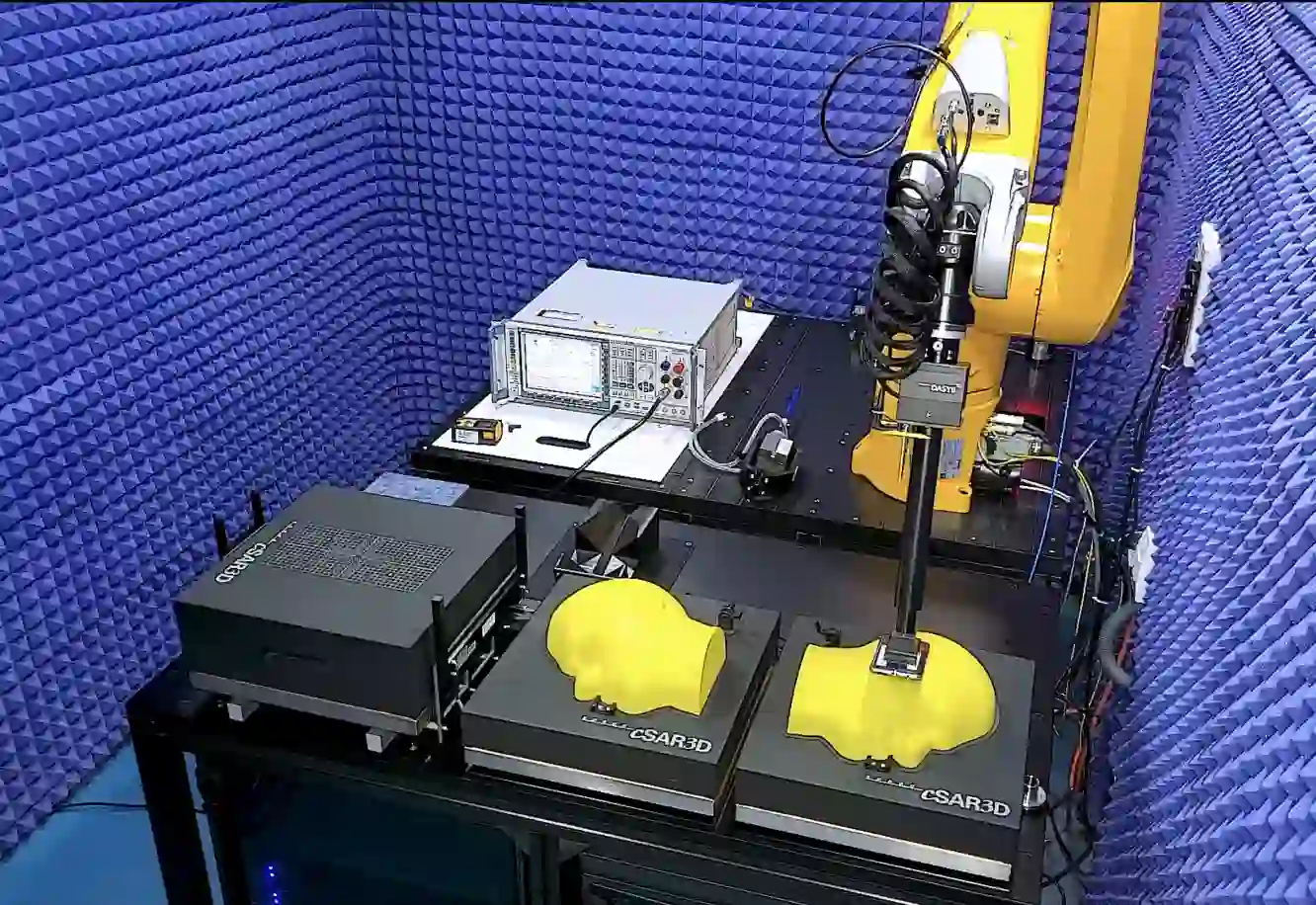
DASY is a dose measurement and assessment system built on a robot-based, high-precision electromagnetic near-field scanning platform, first introduced in 1994. Since then, more than 600 systems have been installed worldwide.
DASY8, the eighth-generation DASY, is a precise and advanced flexible scanning platform for tests related to compliance with national and international guidelines, standards, and regulations such as FCC, CENELEC, IEC, IEEE, and ICNIRP. It supports measurement tasks for electromagnetic radiation from 3 kHz to 110 GHz.
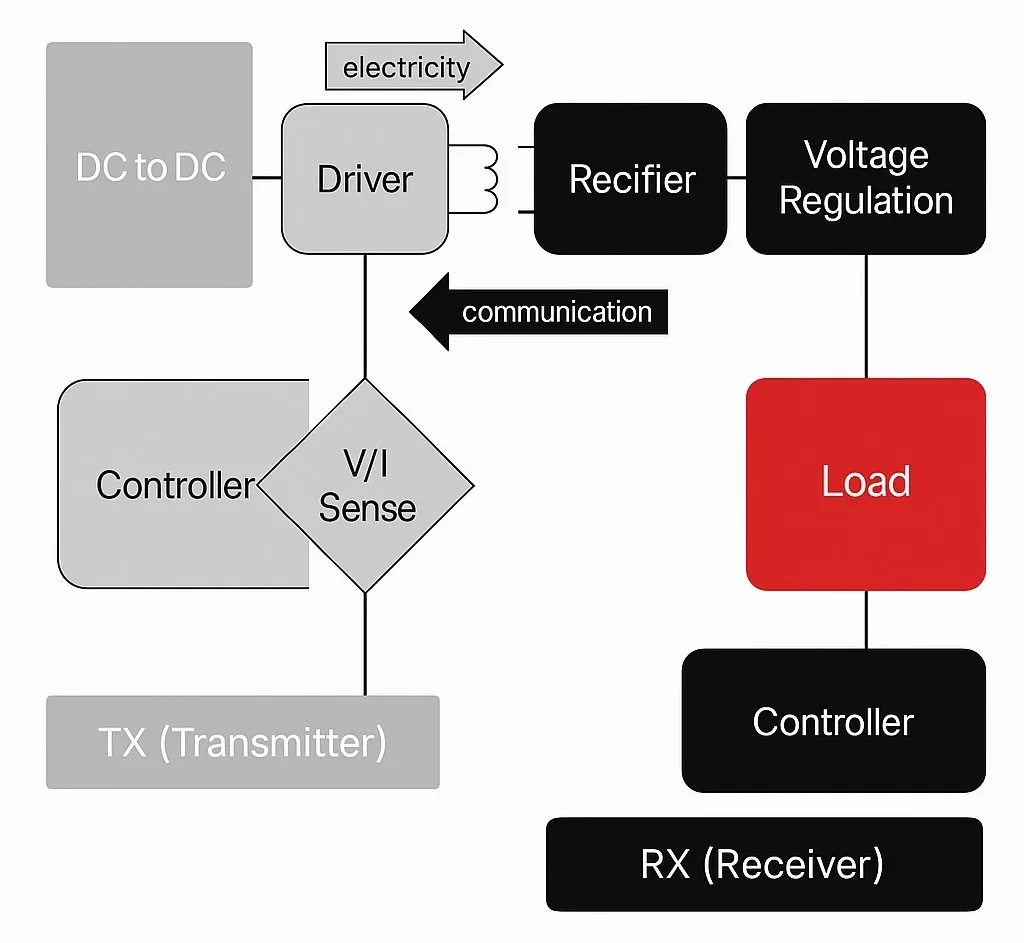
DASY8 can be equipped with multiple modules for different tests, for example WPT (wireless power transfer) modules, millimeter-wave modules, HAC (hearing aid compatibility) modules, and a SAR module.