ALLPCB


Overview
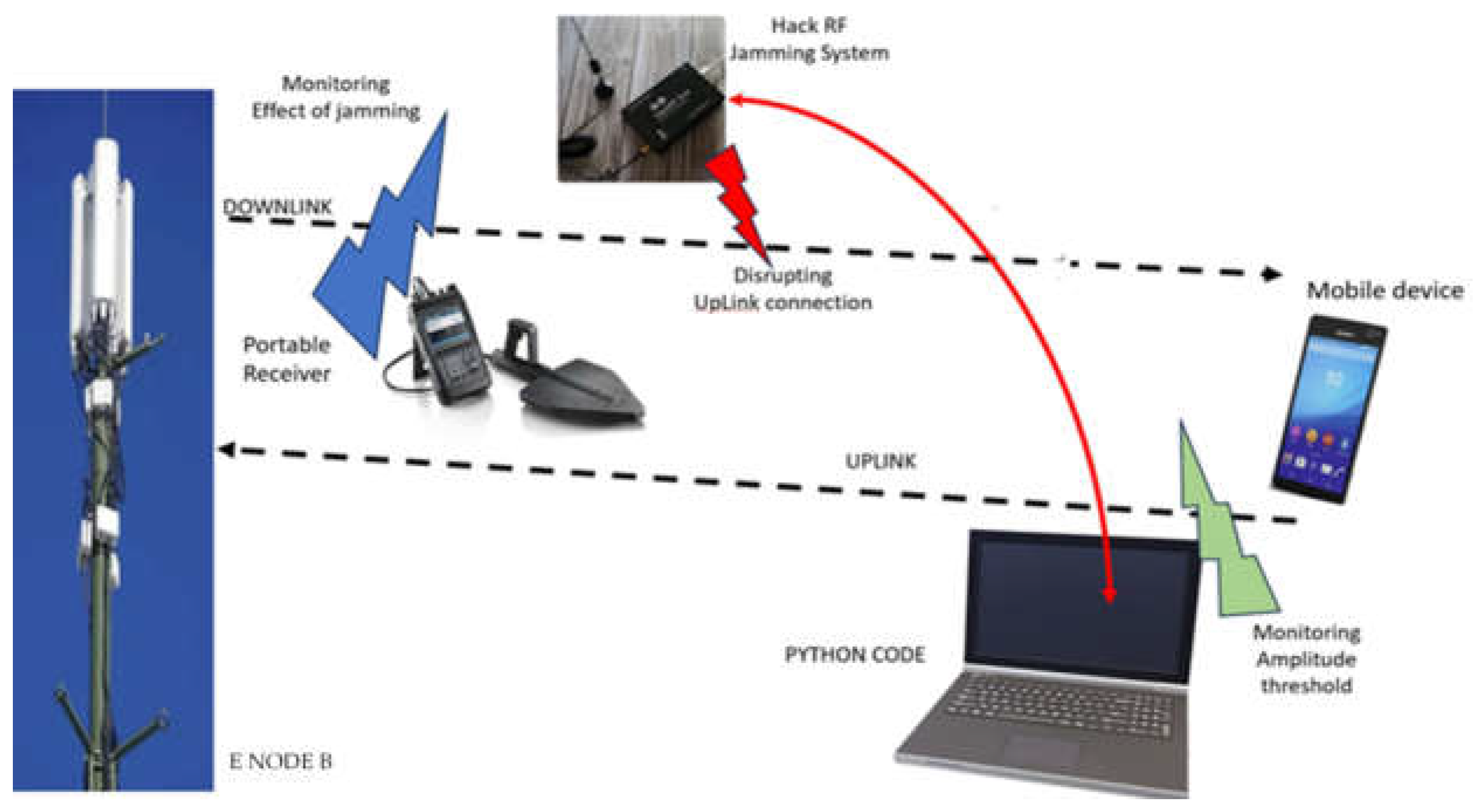
The interference range of an RF jammer is limited. Its effective distance depends on multiple factors, including device output power, operating frequency, antenna performance, and environmental conditions.
Factors Affecting Interference Range
- Output power: Higher transmitter power generally increases the interference range.
- Operating frequency: Jammer performance varies with frequency. In general, higher frequencies tend to have shorter propagation distances, while lower frequencies can reach farther.
- Antenna performance: Transmit antenna characteristics and the sensitivity of receiving systems affect range. Higher gain and more directional antennas can extend the interference distance.
- Environmental conditions: Signal propagation is influenced by obstacles, building attenuation, and other environmental factors. More obstacles and stronger competing signals typically reduce the effective interference area.
Legal Notice
Intentionally interfering with others' communications is illegal and can cause serious disruption to communication systems and devices. Many jurisdictions prohibit deliberate jamming of radio communications. Use and testing of jamming equipment must comply with applicable laws and regulations, and unauthorized use is prohibited.
Technical Requirements for Jamming Devices
Because of their potential for misuse and harm, technical specifications and testing of jamming devices are typically restricted and regulated. The following summarizes common technical considerations used in authorized contexts:
- Authorized use: Jammers should only be used under specific authorization and in accordance with regional or national regulations.
- Output power control: Devices should provide means to limit output power to ensure the interference range remains within acceptable or authorized limits.
- Operating frequency: Devices must operate within specified frequency ranges and comply with applicable spectrum management rules.
- Immunity: Jamming devices should exhibit sufficient immunity to external interference to ensure stable operation and to avoid unintended emissions outside intended parameters.
Testing Methods
- Emission measurement: Use calibrated test equipment to measure transmitter output power across the specified frequency range and verify compliance with authorized limits.
- Spectrum analysis: Use a spectrum analyzer or scanning receiver to observe operating frequencies and spectral characteristics, ensuring emissions remain within authorized bands.
- Immunity testing: Simulate realistic interference environments or inject specific test signals to evaluate the device's immunity and stability under external interference.
Testing and evaluation of jamming equipment should be performed by authorized or regulatory bodies to ensure legal and safe operation. Unauthorized possession or use of such devices is unlawful; comply with applicable regulatory procedures for testing and approval.
EMI and Immunity Standards
Electromagnetic interference and immunity standards classify devices by their susceptibility and emission levels. Common international standards include:
- MIL-STD-461: A U.S. military standard that specifies emission and susceptibility requirements for military equipment, including conducted emissions, radiated emissions, conducted susceptibility, and radiated susceptibility.
- IEC 61000 series: International Electrotechnical Commission standards covering electromagnetic compatibility for industrial, commercial, and household equipment. The IEC 61000-6-x family defines immunity and emission requirements and test methods for different environments.
- CISPR standards: Standards from the International Special Committee on Radio Interference, governing emission and immunity limits for various equipment types, such as CISPR 11 for industrial, scientific, and medical equipment, and CISPR 22 for information technology equipment.
- FCC rules: Regulations from the U.S. Federal Communications Commission covering electromagnetic compatibility requirements for radio and telecom equipment, including emission limits and related testing procedures.
These standards define emission and immunity requirements as well as test methods and limits. Selecting the appropriate standard depends on device type, application scenario, and target market requirements.