ALLPCB


Overview
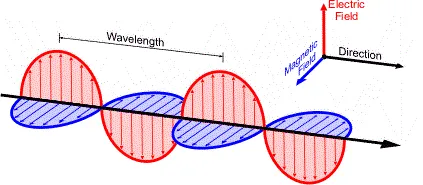
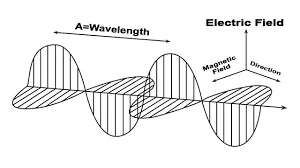
Electromagnetic interference (EMI) is caused by the propagation of electromagnetic waves. When electronic equipment, communication systems, or other electromagnetic systems emit electromagnetic waves during operation, those waves can affect nearby devices or systems and disrupt their normal operation.
Main generation paths
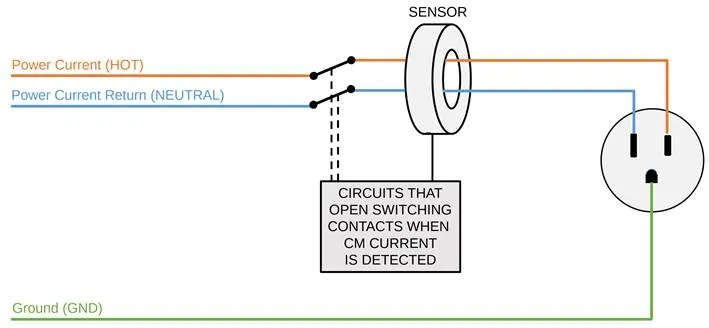
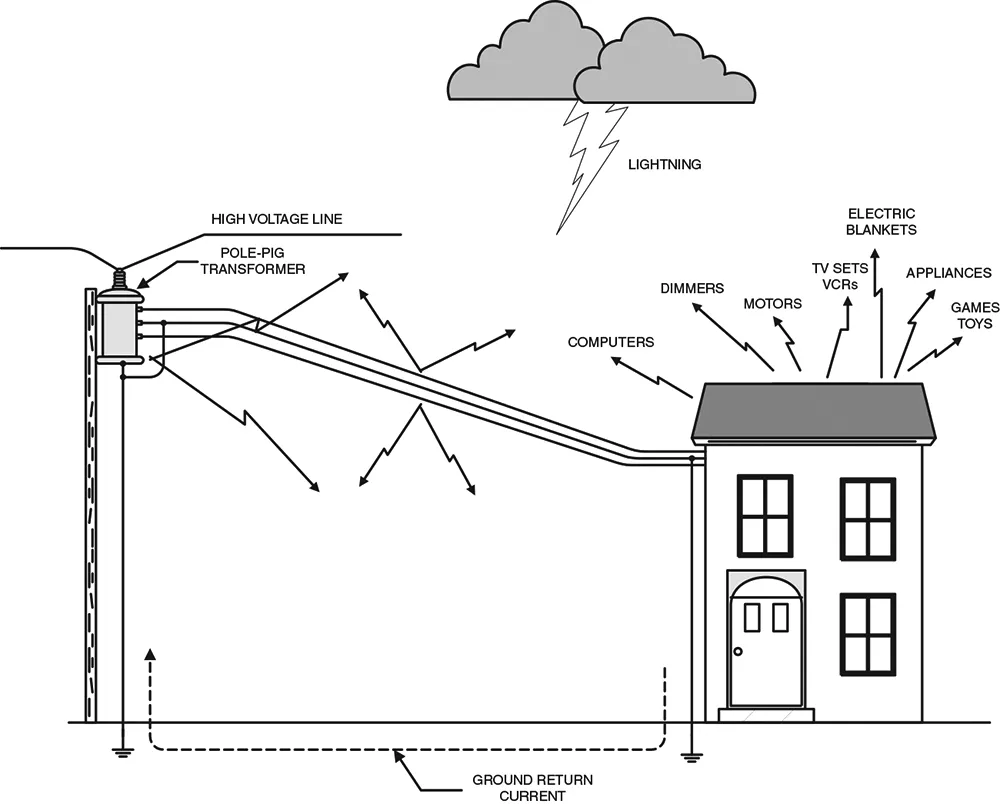
- Power line interference: Alternating current on power lines generates electromagnetic fields that include a range of frequencies. These waves can enter other devices or systems via power supply conductors and cause interference.
- RF interference: Electromagnetic waves in the radio frequency range are common interference sources. RF interference can propagate through space or by conduction and affect electronic equipment.
- Radiated interference: Devices themselves may act as radiating sources, transmitting electromagnetic waves to carry information or communicate. If these waves bypass shielding or isolation, they can interfere with nearby equipment.
- Crosstalk: When multiple electronic circuits are placed close together, interactions between them can cause signal crosstalk. This interference can be induced through signal lines, cables, or electromagnetic coupling on printed circuit boards.
- Ground or antenna interference: Electromagnetic noise near ground planes or large antennas can disrupt nearby devices. Such interference may be caused by weather conditions, lightning activity, or other electromagnetic sources.
Mitigation measures
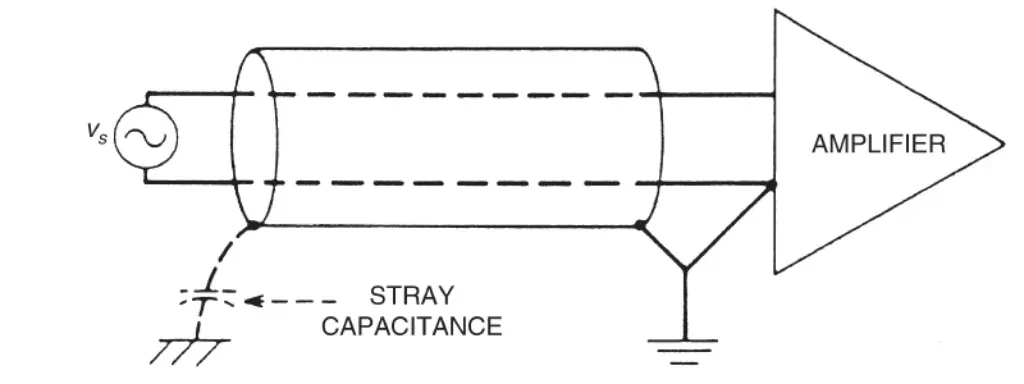
Although EMI is common, appropriate design and mitigation measures can reduce or prevent its impact on electronic equipment. Engineers use shielding, filtering, isolation, and other techniques to control interference sources, optimize signal transmission, and improve device immunity to ensure proper operation.