ALLPCB


Overview
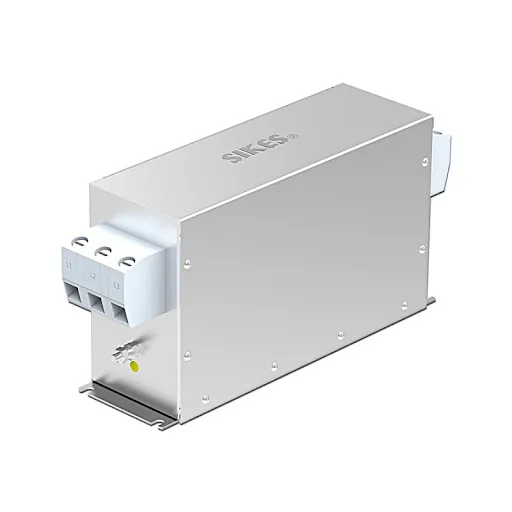
An EMC filter (electromagnetic compatibility filter) is a filter used in electronic equipment to reduce or suppress electromagnetic interference (EMI) and ensure electromagnetic compatibility. It is designed to limit unwanted high-frequency emissions and improve the device's behavior in an electromagnetic environment.
Structure and Working Principle
EMC filters typically include inductors and capacitors. By selecting appropriate component values and configurations, the filter attenuates unwanted high-frequency electromagnetic signals, maintaining cleaner signals and more stable device operation.
Main Functions
The primary functions of an EMC filter include suppressing high-frequency noise on power lines, filtering interference signals, preventing external electromagnetic radiation from entering the device, and reducing the device's own electromagnetic emissions. These effects improve the device's electromagnetic compatibility and overall reliability.
Applications
EMC filters are used across a wide range of electronic equipment, including computers, communication devices, power systems, and industrial control equipment. They help meet international electromagnetic compatibility standards and regulatory requirements, ensuring device performance and stable operation.
EMC Filters vs Power Filters
EMC filters are specifically designed to suppress electromagnetic interference and enhance electromagnetic compatibility. They are applied to both power lines and signal lines to remove high-frequency noise and interference, thereby reducing emissions and susceptibility.
Power filters focus on the power line and aim to reduce high-frequency noise and harmonics within the power supply. Their main role is to provide a cleaner power source to the device, preventing power-line noise from affecting device performance.
In practice, the functions of EMC filters and power filters can overlap. The choice between them should be based on device requirements, applicable electromagnetic compatibility standards, and specific design needs.