ALLPCB


Overview
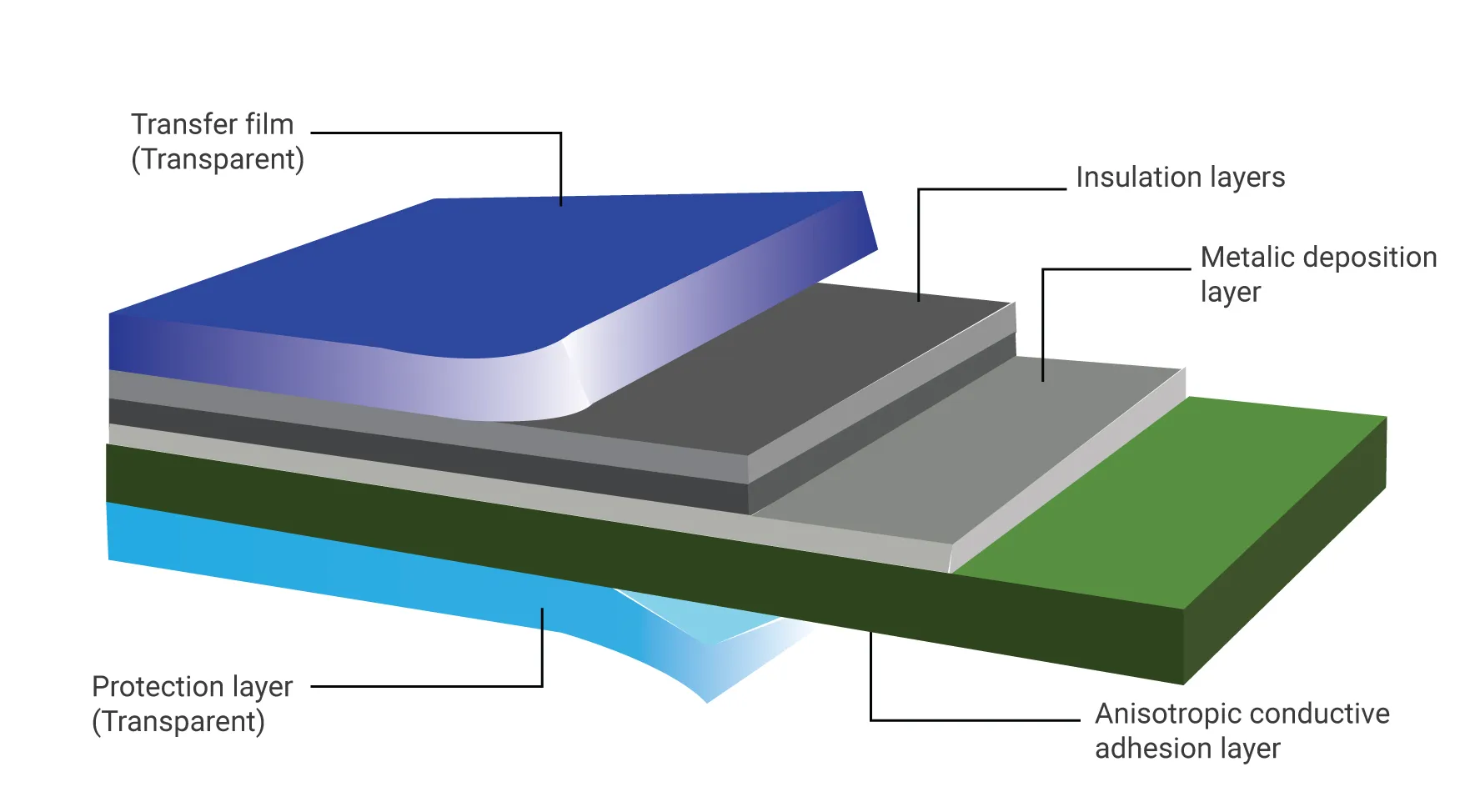
EMI (electromagnetic interference) shielding film is a material used to suppress electromagnetic interference. Its structure can take several forms. The following outlines common EMI shielding film structures and their operating principles.
Common Structures
-
Single-layer metal film: The simplest shielding film structure, composed of a single metal layer such as copper or aluminum. The metal layer absorbs and reflects electromagnetic waves through electrical conductivity. It can be applied as a thin film or coating on device surfaces or used as foil inside circuit boards and enclosures.
-
Multi-layer metal film: Composed of multiple metal layers with different thicknesses and materials. A multi-layer structure can improve shielding performance by varying layer spacing and combinations. Insulating layers are typically used between metal layers to prevent interlayer short circuits.
-
Nano-composite film: Combines metal films with nanomaterials such as nanoparticles or nanofibers to enhance shielding. Nanomaterials can absorb, scatter, and refract electromagnetic waves, extending effective shielding across wider frequency bands.
-
Elastomeric polymer film: Made from flexible polymer materials with shielding properties. Elastomeric films conform to various shapes and sizes. Adding conductive fillers, such as carbon nanotubes or metal particles, increases conductivity and improves shielding effectiveness.
Operating Principles
The shielding effect of EMI films relies on material conductivity, absorption, and scattering to suppress the propagation of electromagnetic waves. Common mechanisms include:
-
Reflection: Metal layers reflect electromagnetic waves due to high electrical conductivity. When waves reach the metal surface, they are reflected back, reducing interference to other equipment.
-
Absorption: Materials such as nanomaterials or magnetic fillers absorb electromagnetic energy. As waves pass through the film, conductive or magnetic particles convert wave energy into heat, dissipating the interference.
-
Scattering: Nanoparticles or microstructures in the film scatter electromagnetic waves, changing their propagation direction and dispersing the interference signal to reduce its intensity and range.
-
Multi-layer effects: In multi-layer films, layers with different thicknesses and materials create reflection, interference, and absorption effects that enhance overall shielding. Interfaces between layers contribute to multiple reflections and reduced wave transmission.
Applications
EMI shielding films are used in many fields to prevent electromagnetic interference from affecting electronic systems. Typical applications include:
-
Consumer electronics: Films are applied inside and outside devices to isolate and limit EMI effects on normal operation. Examples include smartphones, laptops, tablets, and smartwatches where shielding protects internal circuitry from external electromagnetic noise.
-
Communication equipment: Used in wireless routers, base station equipment, and antennas to reduce mutual interference between devices, ensuring signal quality and stability.
-
Medical devices: In medical instruments, monitoring equipment, and operating room devices, shielding helps prevent external electromagnetic interference from impacting device performance and patient safety.
-
Aerospace and defense: Widely used to protect sensitive electronics and communication systems in aircraft, spacecraft, and military equipment, supporting reliable operation of mission-critical systems.
-
Automotive and transportation: Applied to vehicles and other transport equipment to reduce EMI effects on vehicle electronic systems and wireless communication, improving safety and performance.
-
RF shielding chambers: Used to construct radiofrequency shielding rooms that block external RF interference for precision testing, research, and development.
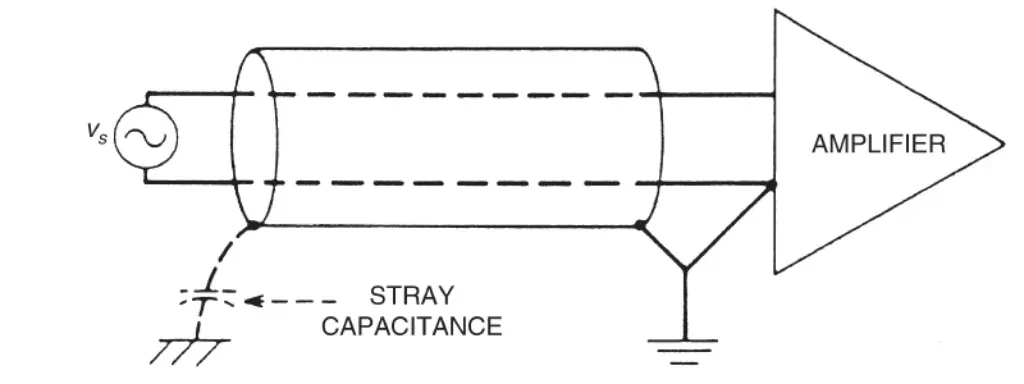
In summary, EMI shielding films use conductivity, absorption, and scattering to block electromagnetic wave propagation and reduce interference. Material selection, thickness, layer connections, and grounding all influence performance, so these factors must be considered when designing or selecting shielding films for specific applications.