ALLPCB


Overview
Electromagnetic radiation and ionizing radiation are two different types of radiation.
What is electromagnetic radiation?
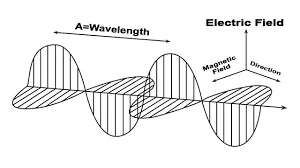
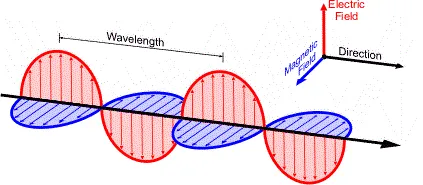
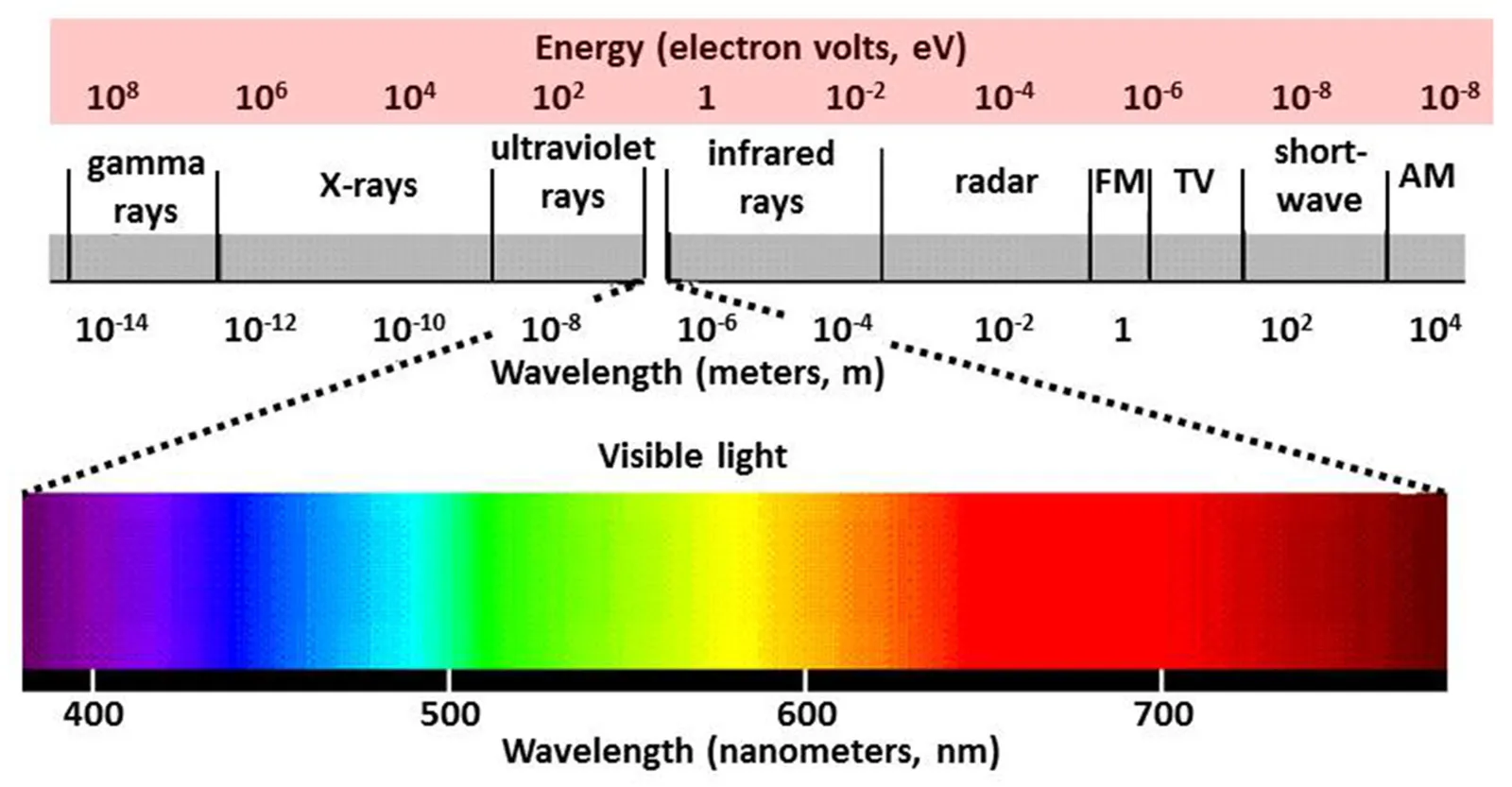
Electromagnetic radiation refers to the propagation of electromagnetic waves and the energy they carry through space. It spans a wide frequency range, including radio waves, microwaves, infrared, visible light, ultraviolet, X-rays, and gamma rays. Electromagnetic radiation is ubiquitous in everyday life, from television and mobile phone signals to solar radiation. Most electromagnetic radiation does not ionize matter, meaning it does not produce charged particles.
What is ionizing radiation?
Ionizing radiation is radiation with enough energy to remove electrons from atoms or molecules, producing ions. Ionizing radiation mainly includes X-rays and gamma rays and has much higher energy and frequency. This type of radiation can interact with matter strongly enough to strip electrons from atoms or molecules, creating charged particles. Ionizing radiation poses potential risks to human health and the environment and therefore requires careful management and control in practical applications.
Summary of the difference
Electromagnetic radiation is a broader concept that covers radiation across a wide range of frequencies, while ionizing radiation is a specific subset with sufficient energy to ionize matter.
Electromagnetic radiation safety standards
Safety standards for electromagnetic radiation are established by relevant national or regional authorities and may vary by jurisdiction. Internationally, commonly referenced guidelines are issued by the International Commission on Non-Ionizing Radiation Protection (ICNIRP).
For general public exposure, ICNIRP recommends basic restrictions and reference levels. Basic restrictions limit the maximum electromagnetic energy absorption in the body to prevent irreversible health effects. Reference levels provide empirical indicators for assessing exposure and are set to help ensure most people in a protected area are not at risk of health effects.
Specific limits depend on frequency and radiation source. For example, for wireless communication equipment such as mobile phone base stations and wireless local area networks (Wi?Fi), ICNIRP provides basic restrictions and reference levels; electric field reference values for some frequency bands are on the order of 41–61 V/m for time-averaged exposure, with induced current limits varying by frequency. National regulations and legislation may adopt different limits.
If there are concerns about potential health effects from electromagnetic radiation, follow local regulatory guidance, practice prudent device use, minimize exposure time when practical, and apply appropriate mitigation measures.
Ionizing radiation safety standards
Safety standards for ionizing radiation are set by organizations such as the International Commission on Radiological Protection (ICRP) and by national regulatory bodies; they may vary by country, region, and application.
ICRP recommendations are based on dose limits and exposure constraints. Dose limits specify the maximum allowable total dose for individuals exposed to ionizing radiation in occupational or public settings. These limits take into account radiation type (for example, X-rays, gamma rays, alpha particles, neutrons), age, occupation, and other factors.
Typical internationally referenced limits include occupational exposure limits such as an annual effective dose limit of 20 millisieverts (mSv) and public exposure limits such as an annual effective dose limit of 1 mSv. Specific applications such as medical imaging, radiotherapy, and nuclear industry operations may have additional or different requirements.
To determine the exact standards applicable in a particular country or region, consult the relevant national regulatory authority. In all cases, follow established radiation protection principles and safety measures to minimize risk to individuals and the public.