ALLPCB


Wearable patient monitors are growing rapidly. Remote patient monitoring enables clinicians to monitor patients in real time and reflects the future direction of the Internet of Things in healthcare.
Overview
Remote patient monitoring systems save time for patients and clinicians by providing key information outside of clinic visits. Patient mobility is increasingly important. By securely connecting devices to wireless networks, remote monitors can reduce clinic visits and avoid cable clutter. Modern wearable medical products not only measure vital signs but also serve as personal emergency systems. As complex end devices, patient monitors face five common design challenges: battery life, portability (size), patient safety, secure data transmission, and integration.
Design Challenges and Approaches
Battery life
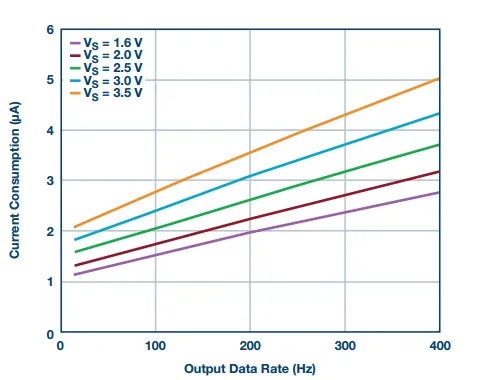
Portable and wearable patient monitors are typically battery powered. Battery life is a key consideration for consumers because many monitors perform continuous measurement and monitoring. The power system must be carefully partitioned, space-efficient, and designed to maximize usable energy. Delivering more capability in a small form factor while extending operating time is critical. Modes such as standby, sleep, power-save, hibernate, and shutdown are essential to reduce power consumption and extend battery life. Wake-up time and standby power are also critical for wireless connectivity solutions.
Designers can select low-power microcontrollers and analog integrated circuits, but without optimizing power management much of the latest technology cannot be fully utilized. Choosing the correct power architecture for the application is important to improve efficiency and extend battery runtime.
Many designers assume switching regulators or converters provide the most efficient solution and that low-dropout regulators (LDOs) are inefficient. However, LDO topologies have improved and can provide very low dropout voltages. After improving front-end power paths for the battery charger, mid-rail DC/DC converter, and LDOs, load switches can still be used to reduce off-state current. For example, a radio module in deep sleep or hibernate may draw more than 10 uA. A load switch can reduce shutdown current to as little as 10 nA.
Portability and size
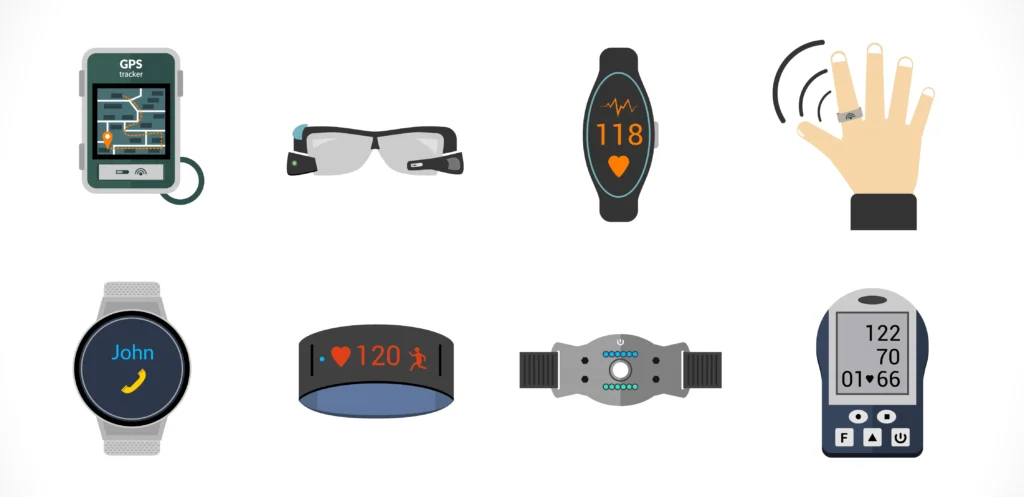
Devices such as heart-rate monitors, multi-parameter patches, continuous glucose monitors, handheld pulse oximeters, fitness trackers, and activity monitors can be portable and wearable. Many are disposable or require battery replacement, so form-factor constraints are strict.
Choices for battery type and charger, selection of buck, boost, or buck-boost converters, and packaging options for wireless or RF devices all contribute to minimizing product size.
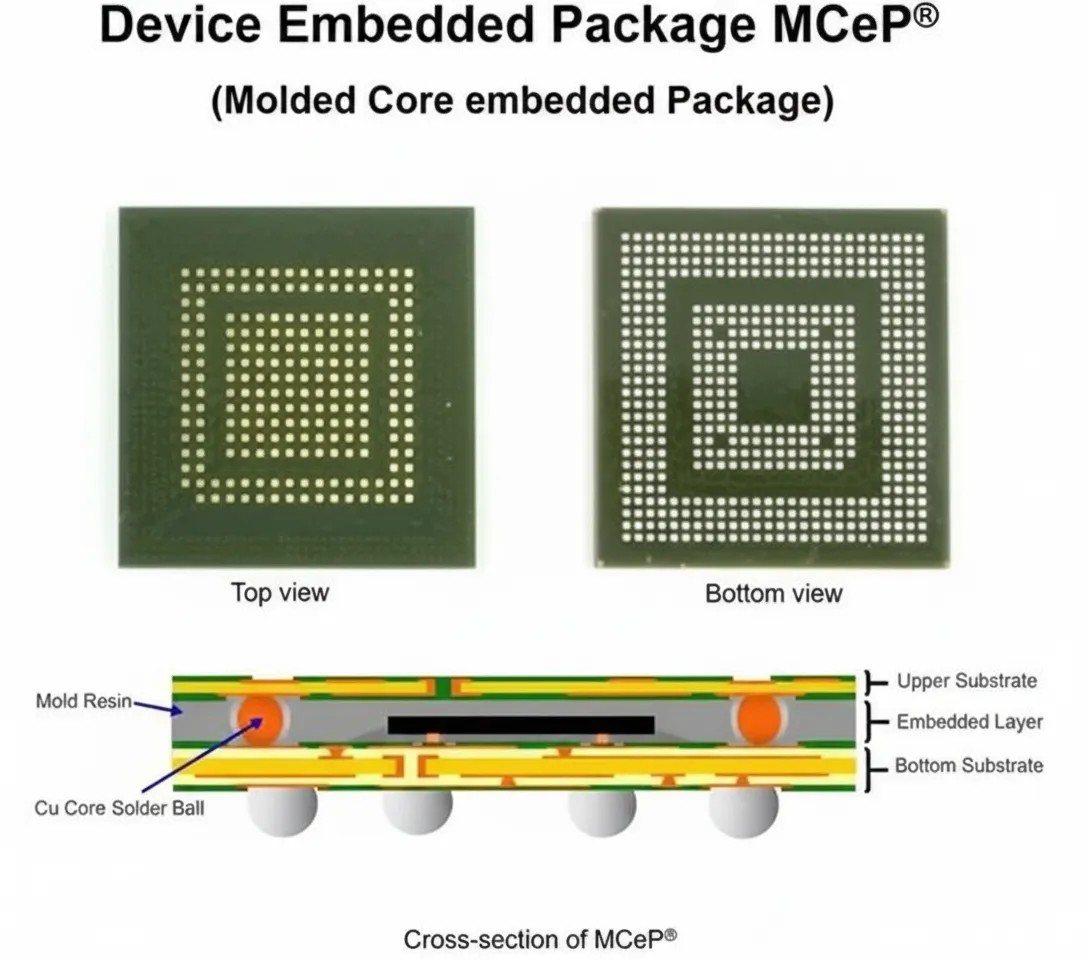
New techniques integrate crystals inside wireless MCUs. TI bulk acoustic wave (BAW) technology can eliminate external crystal footprints on printed circuit boards, reducing layout area and simplifying routing. Packaging improvements also support greater integration and space savings.
For remote patient monitoring, TI BAW technology can provide reliable, real-time transmission of patient vital data over secure wireless networks.
Patient safety
Patient safety is a primary concern in healthcare. Portable multi-parameter patient monitors measure vital signs and use digital isolators and isolated power to separate data and power for patient safety. Key design challenges related to isolated power and data include output regulation, feedback mechanisms, input voltage range, output power and size considerations, and selecting an appropriate power architecture. Many newer isolated power modules, such as compact UCC12050 DC/DC converters, support up to 500 mW output power with enhanced isolation.
Secure data transmission
Medical sensor patches and portable monitors with wireless connectivity require strong security. Patient data transmitted to nursing stations or physicians is confidential, and preventing data theft is critical.
Multiple security measures can protect intellectual property and patient data. These measures should prevent attacks and ensure the security of patient data both during processing and when converted for display, as well as during transmission. This is referred to as wireless security.
Integration
Development time for medical patient monitors is critical because time to market involves extensive testing and approvals. Connecting with cloud providers minimizes onboard integration work for home monitoring systems by uploading patient data directly to the cloud, saving onboard storage space.
Code compatibility between platforms such as Bluetooth, Bluetooth Low Energy, and Wi-Fi reduces redundant development effort. Integration in multicore, universal asynchronous transceivers, interface standards, and multiple general-purpose I/Os supports various system-level needs and provides ready interfaces for interoperability with other processors.
Conclusion
The next wave of medical patient monitors will arrive in very small form factors. As challenges for wearables and remote monitoring are addressed and more connected, smaller devices are offered at lower cost, adoption of patch-based devices is expected to accelerate. From hospitals in developed regions to remote healthcare centers and battlefield triage, rapid advances in wearable devices are changing clinical environments and supporting improved diagnosis and care.