ALLPCB


Overview
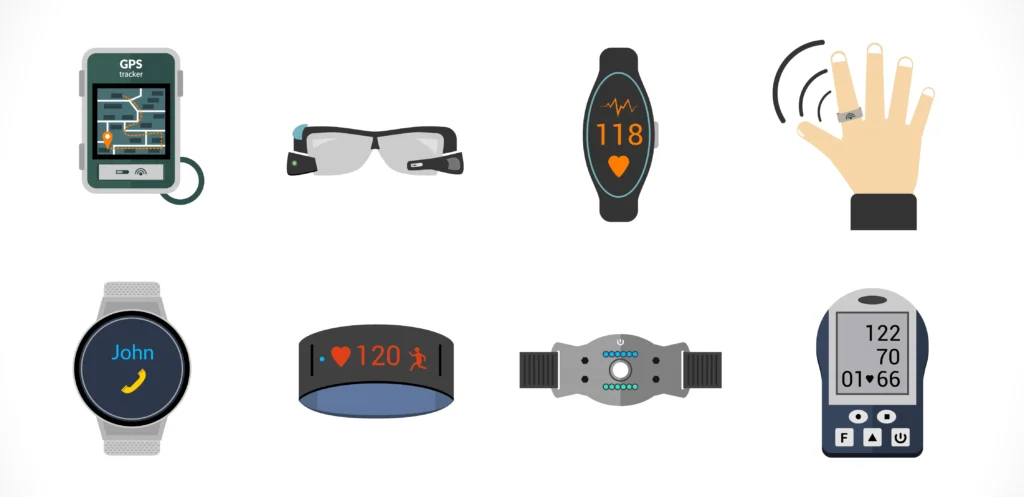
Every day we interact with many electronic devices, especially wearable devices we carry. These devices let us see and hear, and they can also provide realistic sensations in virtual environments. Those tactile experiences are enabled by haptic feedback technology.
Applications
Haptic feedback is widely used in smartphones, tablets, wearables, and VR/AR systems.
How it works
In simple terms, haptic feedback technology enables users to receive tactile information through applied forces, vibrations, or touch. By simulating tactile cues, users can interact with objects in virtual systems as if they were touching real objects. Mechanical stimulation can be applied to virtual scenes or virtual objects for creation and control, and it can enhance remote operation of machines and devices.
Examples and automotive use
Vibration from a phone is a basic example of haptic feedback, but the technology is far more capable. As vehicle interfaces become more software-defined, traditional physical buttons are increasingly replaced by touchscreens and smart surfaces. Haptic feedback can improve driving safety and user experience, and it is used by many automakers worldwide in center consoles, doors, steering wheels, control stalks, seats, climate panels, pedals, and other cabin areas.
Design considerations
Compared with traditional mechanical keys, smart surface touch keys use holeless designs. Integrated solutions preserve aesthetics while offering dustproof and waterproof properties and reducing accidental touches. They also provide accurate operation, realistic tactile feel, and long service life. Choosing an appropriate haptic actuator or module is important for modern smart vehicle cabins.
Haptic modules applied to touch panels can generate force and tactile sensations at the moment a finger contacts the panel. Different vibration waveforms produce varied sensations, enabling richer, finer, and more immersive haptic feedback. Proper implementation can improve driving safety, reduce driver distraction from accidental touches, and support blind operation, thereby reshaping the user experience and expanding design options for smart cabins.
Use cases and accessibility
In vehicle cabins, haptic technology is not limited to center displays; it is also used in multifunction controllers, touchpads, steering wheels, and seats to deliver safety-related alerts.
Haptics, like vision and hearing, is an important information channel. It plays a crucial role for people with visual impairments: they can read Braille by touch and infer road surface conditions from tactile feedback underfoot. In environments where sight is limited, tactile information provides essential cues.
Outlook
As smartphones and smart devices become ubiquitous, haptic technology can make daily life more convenient for people with disabilities and support accessible mobility. By improving tactile interaction, haptics helps integrate people with disabilities into public life and contributes to more equal access to everyday experiences in accessible environments.