ALLPCB


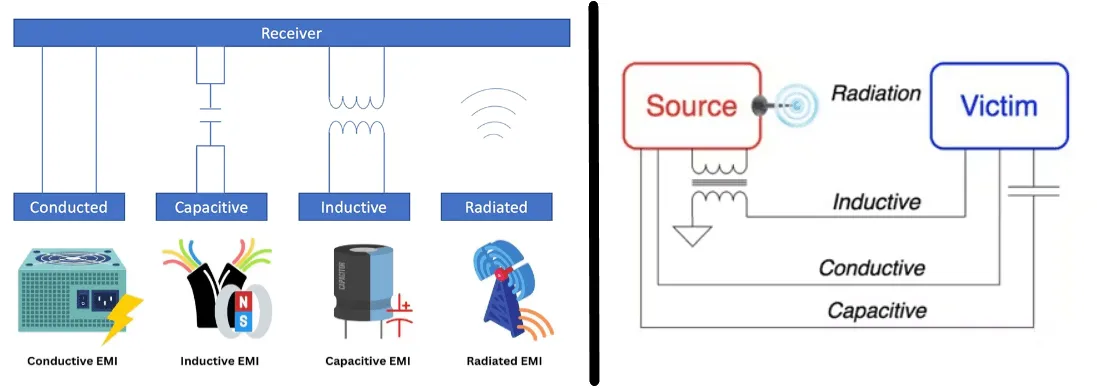
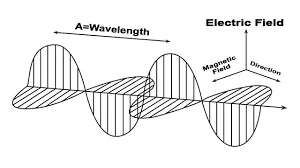
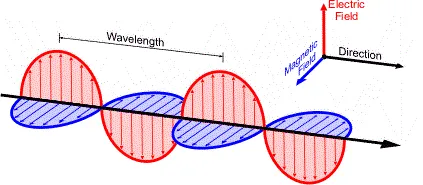
Electromagnetic interference (EMI) refers to electromagnetic waves that cause interference with electronic devices and communication systems. To reduce the impact of EMI on transmission, the following approaches can be used:
Transmission methods
- Conducted transmission: This method transmits signals through wires or conductors, such as cables or copper traces. Wired transmission often provides good shielding characteristics, which can effectively reduce electromagnetic interference.
- Optical fiber transmission: Optical fiber uses light to carry data and is immune to electromagnetic interference. Fiber offers high bandwidth, low loss, and strong EMI immunity, making it suitable for long-distance communication and high-speed networks.
- Offline transfer: In scenarios with low real-time requirements, data can be stored offline on a physical medium and transferred later via wired or wireless means. This approach can avoid the effects of EMI on real-time transmissions.
Other measures
Spectrum management: Plan and manage electromagnetic spectrum resources to allocate frequency bands reasonably among devices and systems, reducing the likelihood of interference.
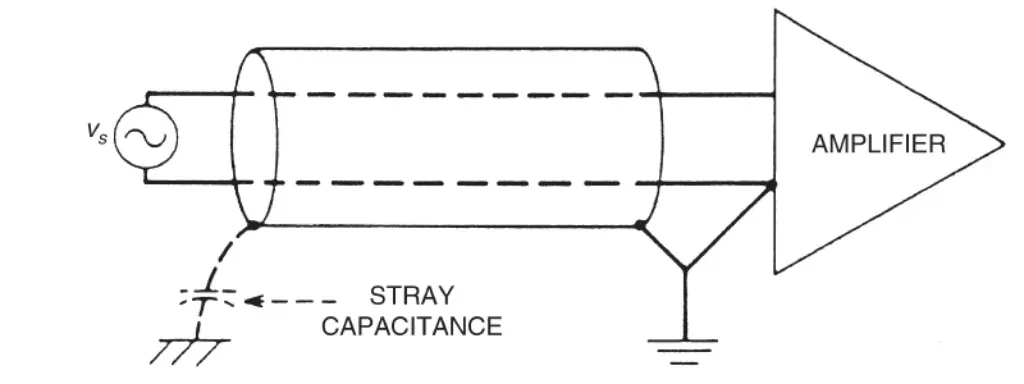
Shielding and isolation: During the design of electronic equipment and communication systems, use shielding and isolation measures to reduce EMI exposure. Examples include metal enclosures, proper grounding, and the use of filters.
Choose the appropriate transmission method based on the specific application and requirements, considering electromagnetic compatibility (EMC), data transmission speed, reliability, and cost. Compliance with relevant EMC standards and regulations is also important to ensure transmission quality and interference resilience.
Three main EMI suppression techniques
The three primary techniques for suppressing EMI are:
- Shielding: Use metal shielding materials or design appropriate enclosure structures to enclose sensitive components or circuits within a shield layer, blocking external electromagnetic waves. Shielding helps prevent external interference from entering the system and improves immunity.
- Filtering: Apply filters to attenuate or block interference in specific frequency bands. Select filters with appropriate frequency response characteristics and install them in signal paths to remove or reduce unwanted signals while preserving the desired signal integrity and quality.
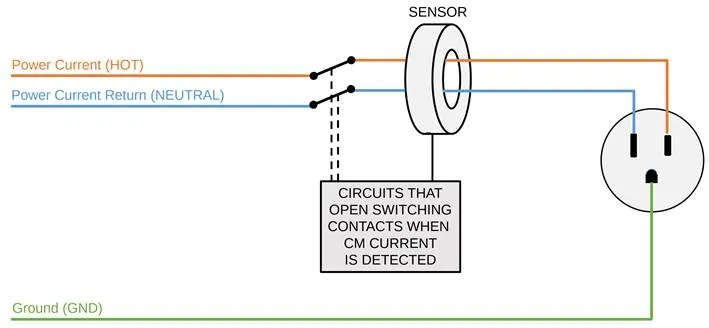
- Grounding: Implement a robust grounding system to establish a stable reference potential and direct interference currents to ground, reducing their impact. Proper layout of ground conductors and grounding loops can effectively reduce EMI propagation and its affected area, improving overall immunity.
These techniques are often used in combination during the design and manufacture of electronic equipment and communication systems. The choice of which techniques to apply depends on the operating environment, performance requirements, and budget. In addition, correct printed circuit board layout, proper cable routing, and optimized system architecture are important considerations for EMI mitigation.