ALLPCB


Overview
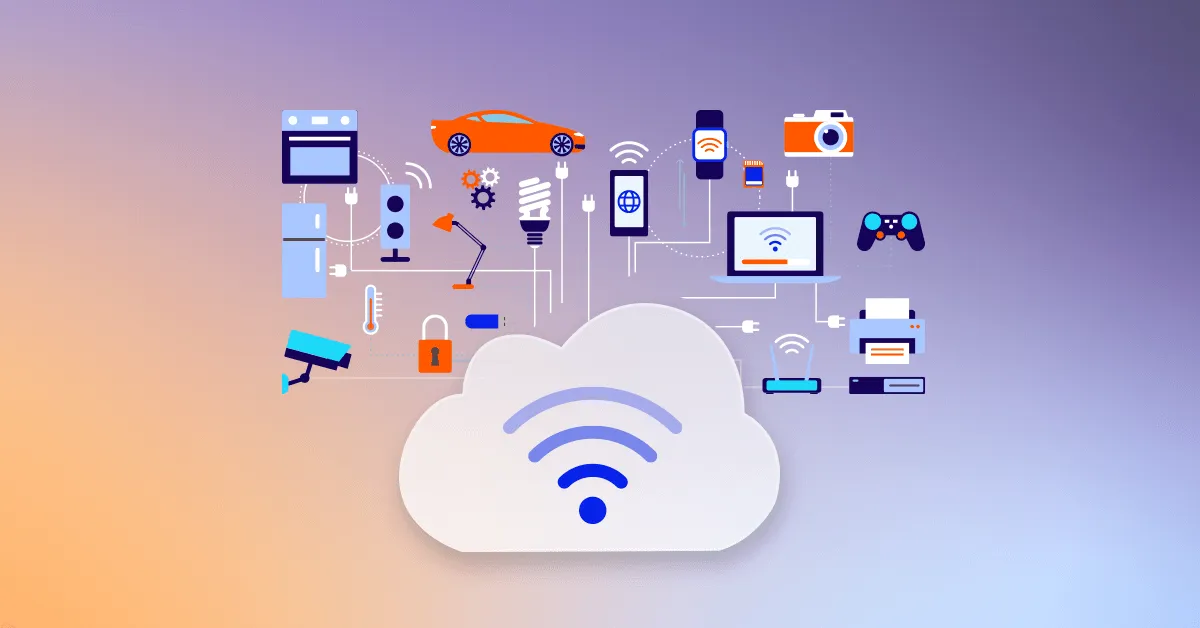
The Internet of Things (IoT) refers to a network of physical devices and objects that are connected and interact via the internet. The primary goal of IoT is to enable intelligent interconnection, information sharing, and automated control among devices, improving efficiency, convenience, and safety in daily life and work.
Common IoT Applications
- Smart home: Connecting appliances, security systems, and home devices to enable remote control and automated management, improving comfort, security, and energy efficiency.
- Industrial automation: Enabling real-time monitoring, remote control, and data exchange between equipment and systems in industrial environments to support smart manufacturing, production optimization, and predictive maintenance.
- Smart agriculture: Connecting sensors, automated irrigation, and environmental monitoring devices to manage crop growth conditions, water and fertilizer use, and pest monitoring, improving agricultural productivity and quality.
- City management: Applying IoT to traffic monitoring, waste management, smart lighting, and environmental monitoring to improve city operations and sustainability.
- Logistics and supply chain management: Connecting vehicles, tracking devices, and warehouse systems to provide real-time monitoring and coordination of logistics processes, improving efficiency and traceability.
- Healthcare and health monitoring: Connecting medical devices, health sensors, and remote care systems to monitor patient status in real time and support remote medical services, improving resource utilization and care quality.
By connecting various devices and objects to the internet, IoT enables intelligent automation and remote control, bringing practical benefits and new capabilities to personal life, industry, and public services.
How IoT Modules Work
An IoT module is a hardware component embedded in an IoT device that enables the device to connect to and communicate within an IoT network. The operating principles of an IoT module typically include the following aspects:
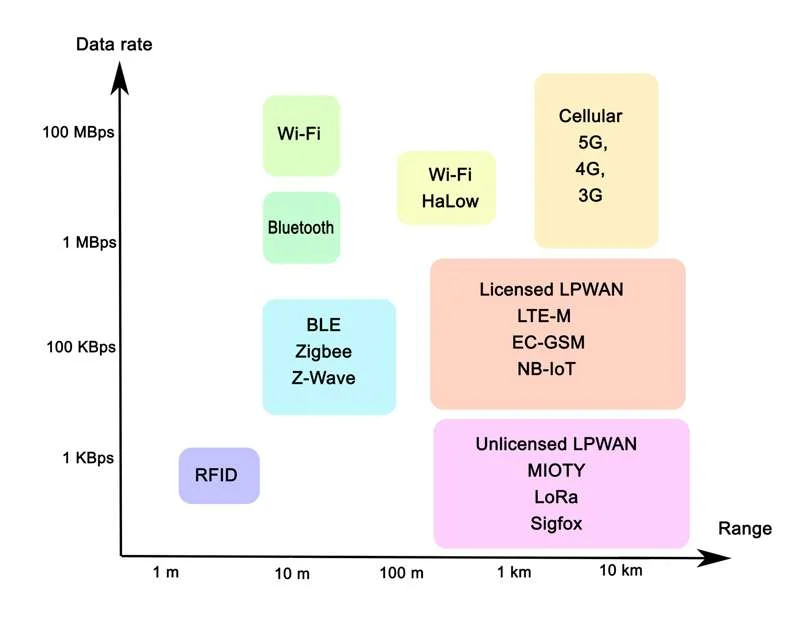
- Wireless communication technologies: IoT modules commonly use wireless technologies such as Wi-Fi, Bluetooth, Zigbee, and LoRa for data transmission and communication with other devices or networks. Different application scenarios select technologies, frequency bands, and protocols based on requirements.
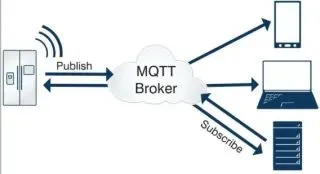
- Data transmission and protocols: IoT modules transmit collected device data to the cloud or other devices using wireless links. During transmission, modules follow communication protocols such as MQTT, CoAP, or HTTP to ensure secure, reliable, and efficient data transfer.
- Sensors and interfaces: IoT modules typically provide interfaces to connect various sensors, such as analog inputs, digital inputs/outputs, UART, and I2C, enabling the collection of environmental parameters and object status. The combination of interfaces and sensors allows devices to gather relevant data.
- Software support: IoT modules are usually accompanied by development tools and libraries for configuring network connectivity, application logic, and data processing. Software support enables developers to implement custom applications and device control logic.
By integrating wireless communication, data transmission protocols, sensor interfaces, and software support, IoT modules enable device connectivity, data exchange, and communication, serving as core components for intelligent interconnection.
Typical IoT System Components
An IoT system commonly consists of several main layers:
- Perception layer: The lowest layer responsible for sensing and collecting data from the physical world. It includes sensors, actuators, and other physical devices for monitoring environmental parameters, collecting data, and executing commands.
- Network transmission layer: Responsible for transmitting data collected by the perception layer to upper-level networks or cloud platforms. This includes IoT modules, communication devices such as wireless modules and routers, and transmission protocols like Wi-Fi, Bluetooth, and LoRaWAN.
- Data processing and application layer: Processes and analyzes raw data from the perception layer. It includes data storage, parsing, processing algorithms, and business logic to extract useful information, make decisions, and generate responses.
- Cloud platform/server layer: Provides central data storage, computing, analytics, and management functions. It supports large-scale data storage and processing and enables remote access, management, and control.
- Application and services layer: The interface through which users interact with the IoT system. It provides applications and services such as mobile apps, web apps, data visualization, alerting, and remote monitoring according to specific requirements.
The exact components and architecture of an IoT system vary by application scenario, scale, and functional requirements. The layers above represent common elements used to realize sensing, transmission, processing, and application of IoT data.