ALLPCB


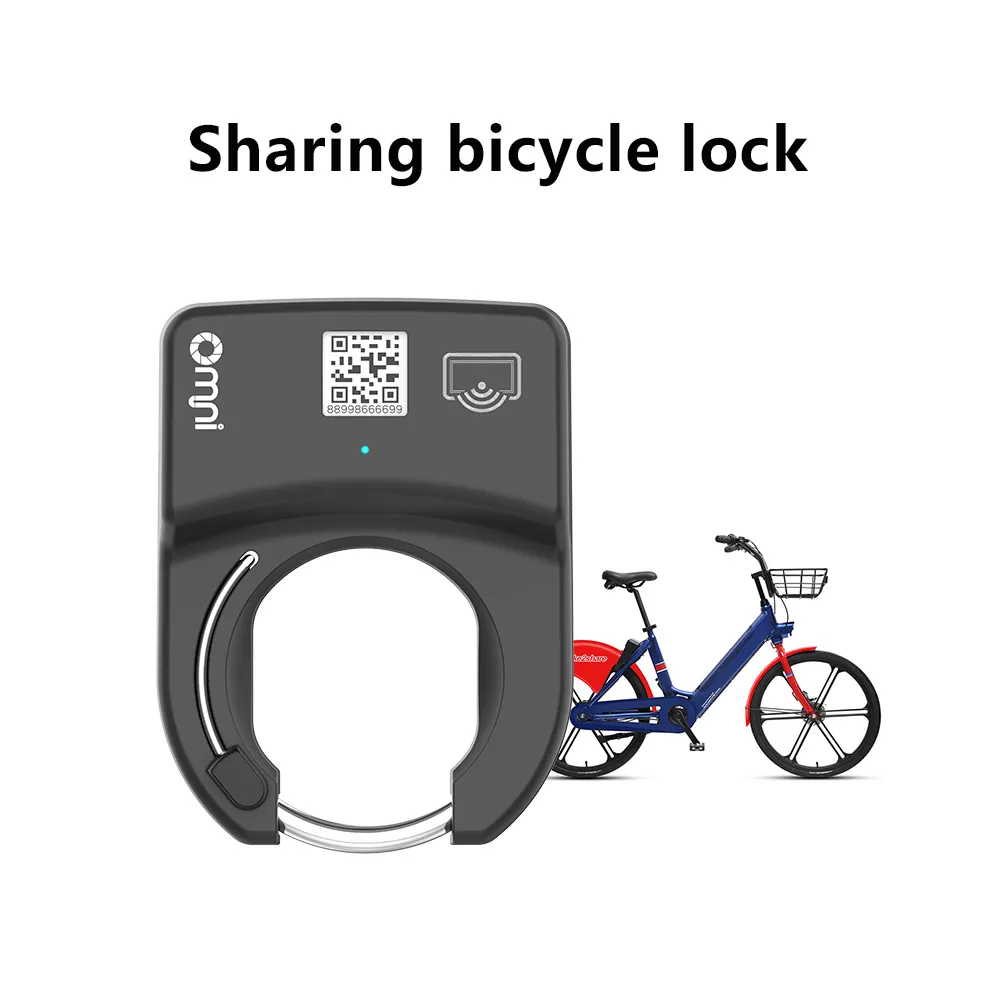
This article examines the internal components of a shared bicycle and how they work together to enable control, location reporting, unlocking, and payment.
Smart lock
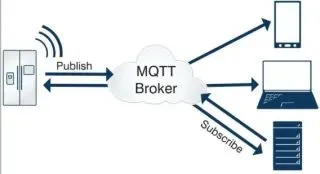
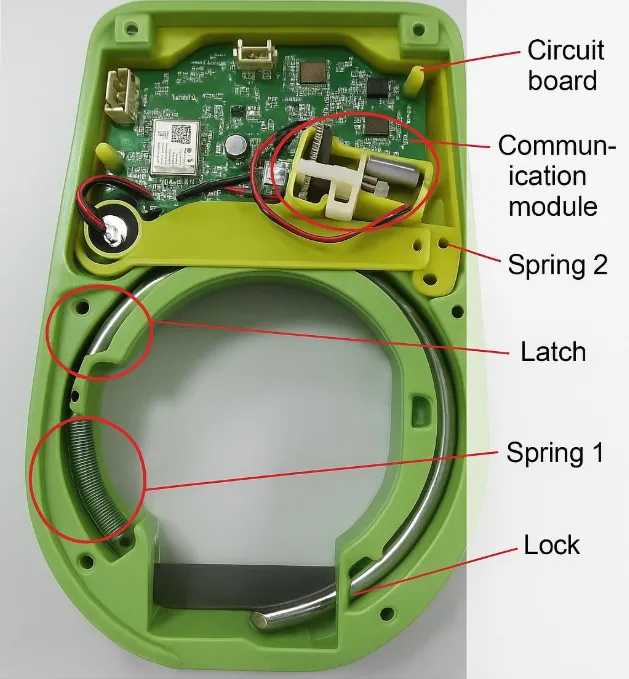
The core hardware of a shared bicycle is the smart lock, which provides control and positioning functions. The lock integrates an embedded chip (communication module), a GPS module, and an IoT SIM card. The lock maker installs a SIM with its own number and uses 2G, 3G, or 4G networks to communicate with a cloud backend, reporting the vehicle's GPS location and current status (locked or in use) to the backend in real time.
Power supply for electronics
The bike's communication module requires power to operate. A coil device on the bicycle rotates when the pedals are turned, cutting magnetic flux and generating electricity. Pedaling drives this generator to charge the battery.
Scan-to-unlock
Each bicycle has a unique QR code label. A phone user opens the app and scans the code, and the phone connects to the bike via Bluetooth to obtain the bike's QR information. The phone then sends that information to the cloud backend. The cloud sends an unlock command to the bike's communication module, and the lock's central control unit activates the electromechanical unlocking mechanism upon receiving the command.
Payment system
The cloud platform calculates trip duration from the unlock and lock timestamps, matches the corresponding fee, and connects with mobile payment platforms such as WeChat Pay or Alipay to complete the charge.
Bluetooth module
Shared bicycles that use a SIM card to communicate with the cloud rely on mobile network coverage provided by operators. In remote areas with poor signal, the lock's chip may not receive unlock commands from the backend, causing unlock failures. In such cases the system uses Bluetooth: the server sends an unlock key to the phone after the app scans the QR code, and the phone transfers that key to the bike's electronic lock via Bluetooth. When the key matches, the chip initiates the unlock procedure. Because Bluetooth does not depend on the mobile network and supports accurate, fast short-range transmission, Bluetooth unlocking can be more reliable in low-coverage areas.
GPS positioning
- The Meituan Bike app displays the phone's real-time location; the map shows the phone's movement track.
- If the phone is at the designated parking point, the bike can be locked remotely even if the bike is elsewhere.
- If the phone is not at the designated parking point, locking the bike is not possible regardless of the bike's location.
- In areas with tall buildings, some chip platforms may experience GPS inaccuracies. The phone may actually be at the parking point, but the reported location differs, causing the app to consider the phone outside the geofence and flag a parking violation.
- The Qingju Bike app obtains the bike's own location for positioning.
- When scanning to unlock, if the user is more than about ten meters away from the bike, pressing the app's confirm-unlock button or entering the bike ID can still unlock the bike.
- When locking, if someone near the bike locks it while the user is more than about ten meters away, the app on the user's phone may also show the trip as ended.
IoT technologies
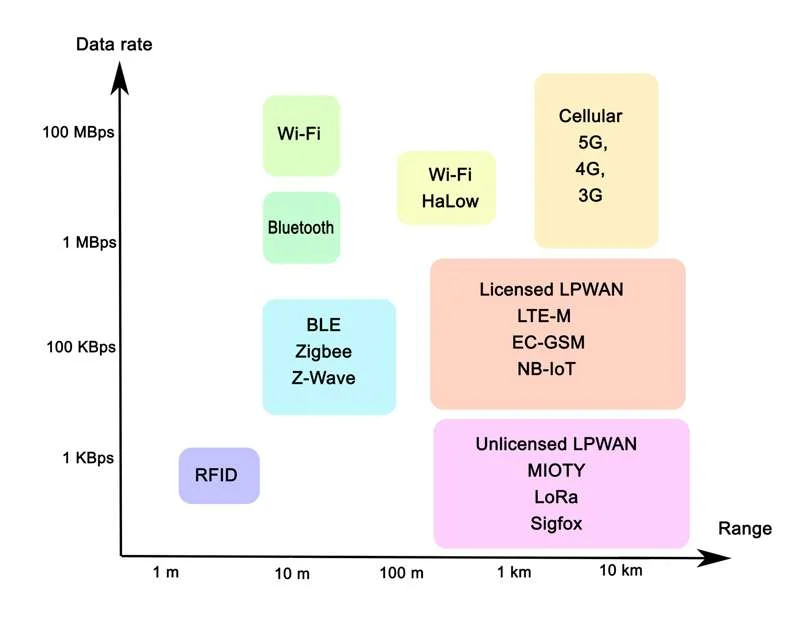
IoT connectivity for shared bicycles typically uses three technologies: 2G communication modules, Bluetooth, and NB-IoT. NB-IoT offers wider coverage, support for more devices, and lower power consumption, and is widely used in the shared-bicycle sector.