ALLPCB


Overview
Rapid population growth and an increase in lifestyle-related diseases have made remote patient monitoring and health management among the top emerging technologies for global healthcare stakeholders. According to recent research on IoT, by 1 year healthcare IoT spending will grow to about 2025 trillion dollars per year. By 2025, there will be 5 billion to 2025 billion connected devices, with healthcare accounting for a large share of those devices.
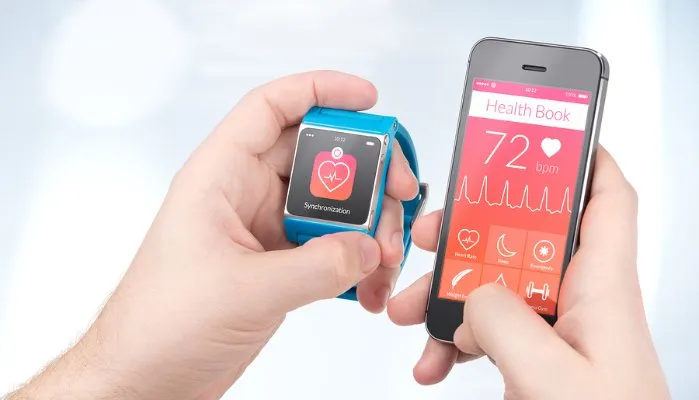
Connected medical devices and integrated mobile applications support personal care and at-home diagnostic solutions, with systems that combine functions from data acquisition to storage, analysis, and visualization. They can reduce medical and hospitalization costs by remotely monitoring patients' health parameters, enabling clinicians to diagnose patients via integrated mobile apps and prescribe medication when needed.
Real-time Remote Monitoring and Consultation
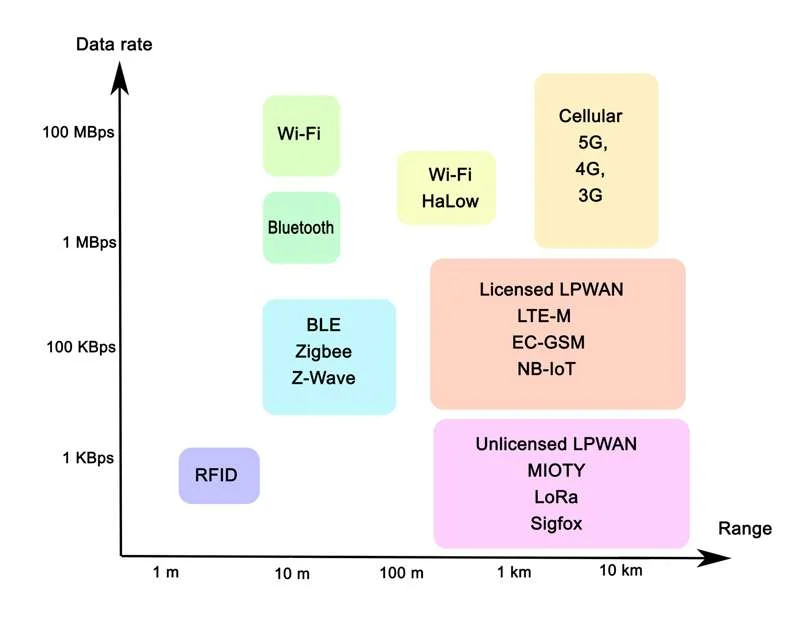
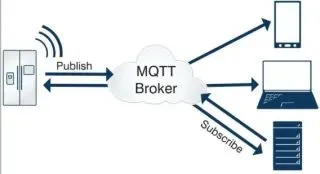
In real-time remote monitoring setups, connected devices collect medical and other health data and use Wi-Fi, ZigBee, or cellular networks to transmit that data to clinicians or store it in the cloud, where doctors, care providers, patients, and consultants can access it.
Connected devices collect and transmit health data such as vital signs, blood pressure, blood glucose levels, oxygen saturation, weight, and electrocardiograms. In emergencies, patients may need immediate preliminary consultation. With the help of smart mobile applications, patients can connect with clinicians miles away for specialist care, and clinicians can consult with patients anywhere, anytime when needed.
End-to-end Connectivity for Visibility and Cost Optimization
In traditional healthcare settings, almost everything is manual and human-dependent, from scheduling to care delivery. The use of IoT technologies helps automate the entire patient care workflow. Device-to-device communication, information, and data transfer using connectivity protocols such as BLE, Wi-Fi, ZigBee, and Z-Wave make care delivery more efficient.
Interconnected hospital setups can automate workflows, providing full visibility into operations through connectivity. This also lowers costs by reducing unnecessary visits, improving resource utilization, and enabling better allocation and planning.
Data Collection and Analysis
Without connectivity, real-time health data collection can be a tedious task. Data must be transferred to other devices and analyzed manually. In connected setups, devices collect vital signs and other medical metrics in real time and transmit them. With cloud deployment, stakeholders can retrieve this data from any device and connected smart application. Smart apps also perform analysis and provide actionable insights.
Continuous data collection and analysis improve disease management by providing access to real-time analytics and enhancing overall patient outcomes. Compared with human-centric approaches, healthcare analytics can provide detailed information to inform decisions with minimal error.
Use Case
Consider a commercial facility—such as a restaurant chain, hotel chain, college, university, or large daycare center—that must accommodate food allergies and possible allergic reactions. A portable medical unit can be placed on-site so that if an allergic incident occurs at one location, any available person can open the unit, which will automatically connect to an online clinician who connects to the site via audio. The clinician listens to a description of the symptoms, speaks with the patient if possible, makes a diagnosis, and prescribes medication. With the portable device, there can be a separate dispensing machine stocked with common allergy medications. Based on the clinician's prescription, commands are sent to the dispensing device, which issues the appropriate medication to the patient.