 ALLPCB

AR Hardware: Core Components and Technical Bottlenecks
Survey of AR hardware forms and system architecture, covering handhelds, HMDs, smart glasses, SAR, AR display technologies and object detection challenges.



Survey of AR hardware forms and system architecture, covering handhelds, HMDs, smart glasses, SAR, AR display technologies and object detection challenges.
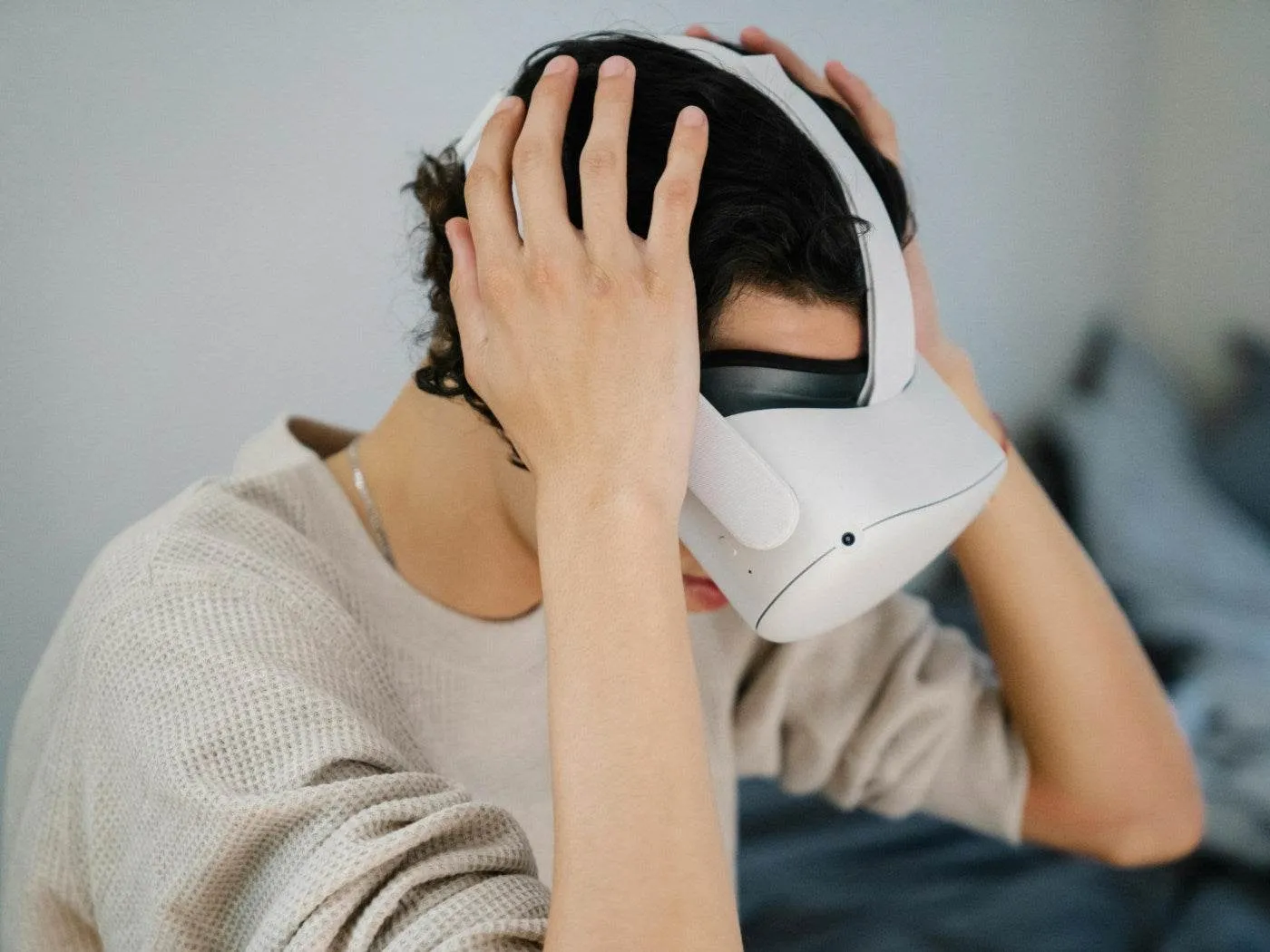
PS VR troubleshooting: adjust fit, focus and IPD to resolve blurry images; apply anti-fog treatments for lens fogging; use comfort settings and breaks to limit discomfort.
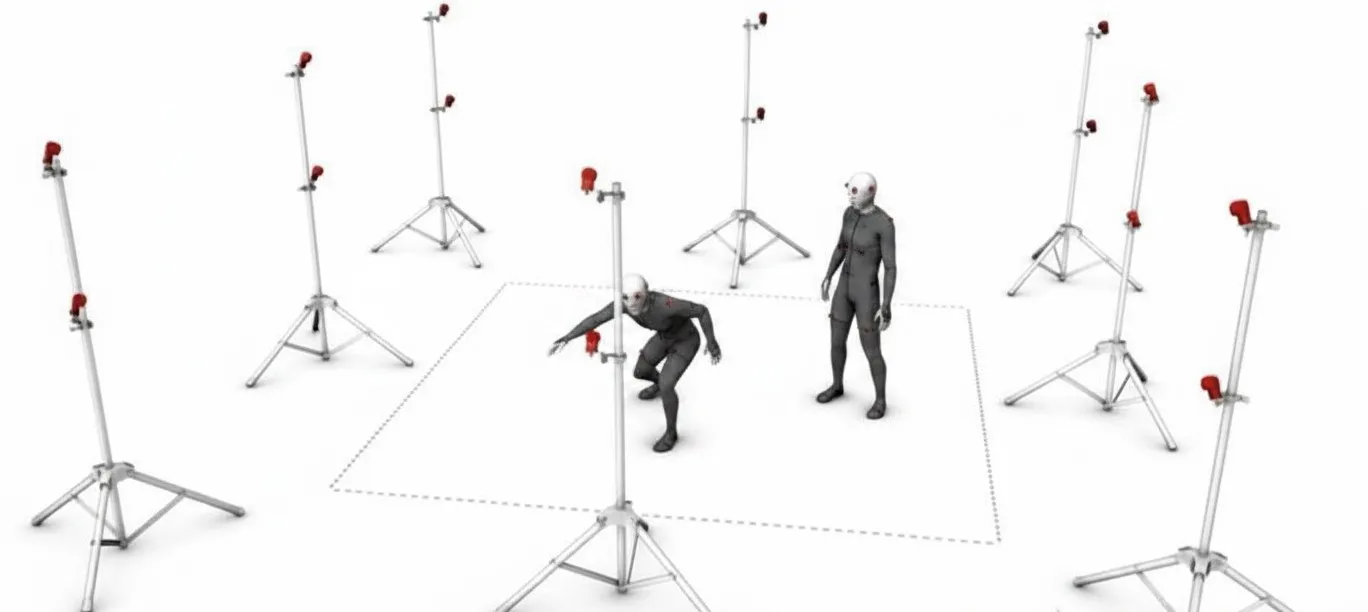
Technical examination of VR optical tracking and pose capture challenges, comparing star tracker and gyroscope errors on the Tong telescope and tracking workflows.
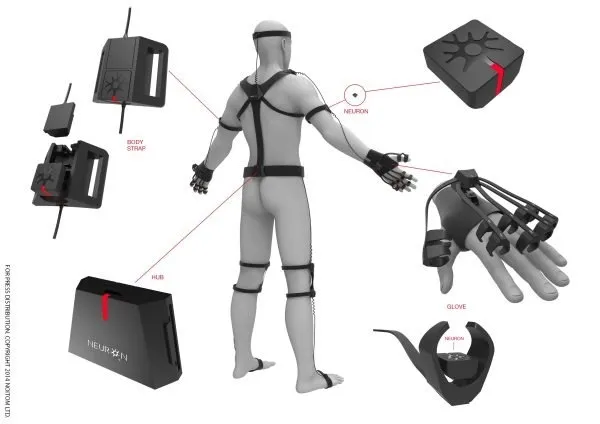
Inertial motion capture overview: principles of accelerometers, gyroscopes, magnetometers, sensor fusion and system architecture, applications and Xsens MVN example.

Analysis of virtual reality (VR) market risks, business models, and adoption barriers in China, covering investment, technology, user conversion, and costs.

VARIL uses imitation learning to produce adaptive visualizations that improve human-multi-robot interaction and reduce robot waiting time in warehouse simulations.

Analytic overview of the metaverse's core technologies: perceptual interaction, AI, data transmission, game engines, digital twins, blockchain; civilian and military use cases.

Technical overview of automotive HUD integration, covering augmented reality effects, field of view, virtual image distance, DLP image quality, and development considerations.
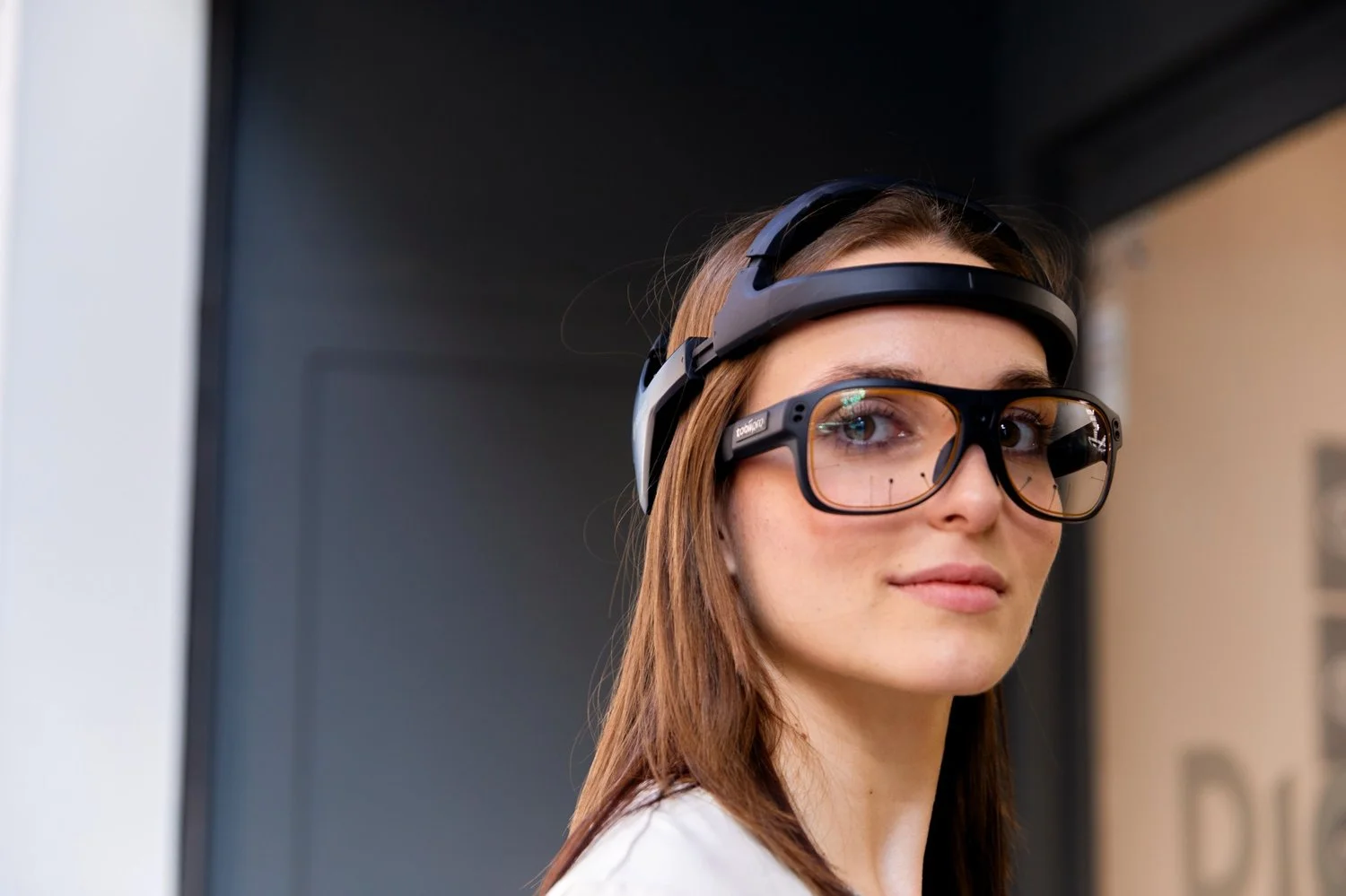
Review of eye tracking in VR: principles, benefits for reducing motion sickness and improving latency and immersion, plus sensor, power, and image-adjustment algorithm challenges.

Experimental study of weight simulation in VR interaction: comparing direct and loose attachment models to convey object mass across motion-controller platforms.